
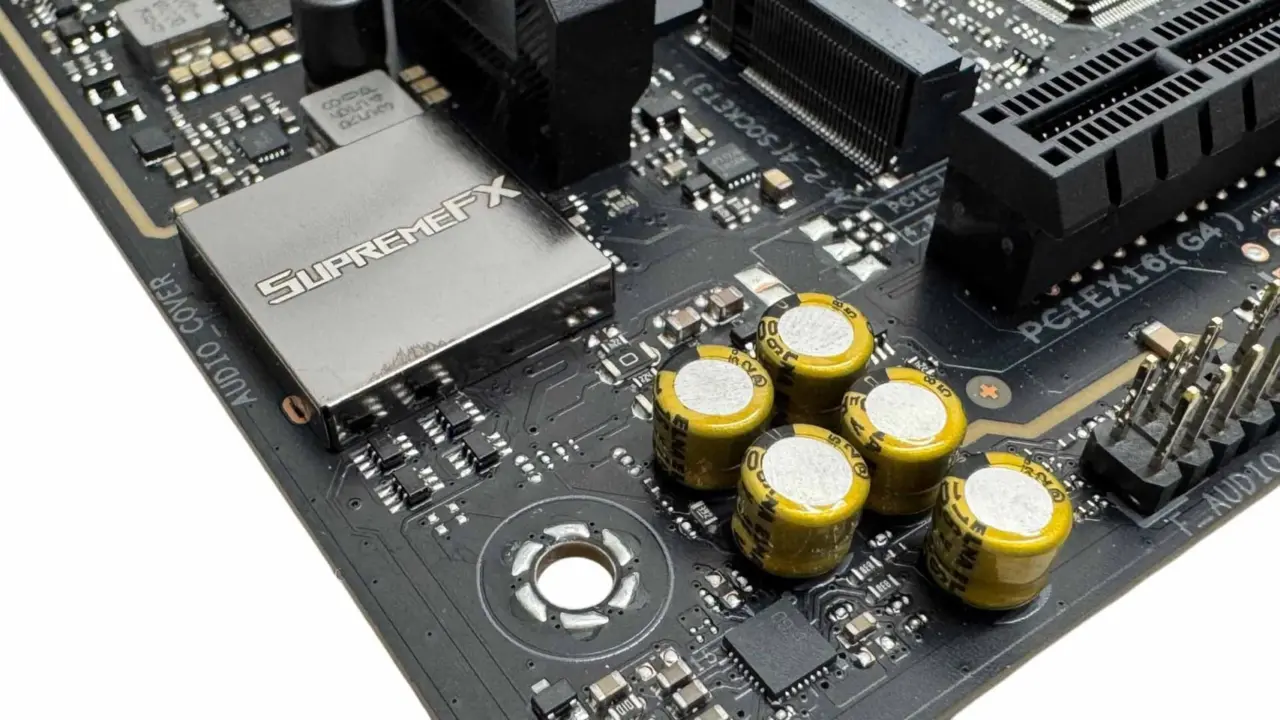
Intel platforms handle USB onboard audio codecs with lower latency than AMD systems due to a specific hardware feature in the chipset interconnect. This difference matters because it reduces audio glitches and pops during heavy storage activity, a common issue for users running fast NVMe drives. The distinction lies in how each vendor connects the audio controller to the rest of the system.
Hardware prioritization on Intel platforms prevents storage-induced audio pops
Intel routes audio traffic through the Platform Controller Hub (PCH) using the Direct Media Interface (DMI). AMD places the legacy High Definition Audio (HDA) bus directly on the System on Chip (SoC), but most modern motherboards still connect USB audio codecs to the Fabric Controller Hub (FCH) via standard PCIe. This architectural choice means AMD USB audio does not benefit from the same low-latency prioritization found in Intel designs.
The core technical advantage on Intel systems is hardware Quality of Service (QoS) built into the DMI link. This feature allows the system to prioritize low-latency audio streams over high-bandwidth storage traffic from NVMe SSDs or SATA RAID arrays. AMD relies on standard PCIe for chipset connections, which lacks this dedicated QoS layer for audio traffic. Consequently, AMD systems may experience higher Deferred Procedure Call (DPC) latency spikes when storage is under load.
Modern USB audio codecs, such as the Realtek ALC4082, support resolutions up to 32-bit/384kHz, far exceeding the limits of legacy HDA. While AMD engineers moved HDA to the SoC to avoid chipset latency, motherboard manufacturers rarely use SoC-native USB ports for audio due to bandwidth efficiency. Most AM5 boards connect these high-resolution USB codecs to the FCH, where the lack of QoS can impact stability during intensive tasks.
TechPowerUp highlights this architectural gap in their analysis, noting that Intel's plumbing handles audio better by design. The difference is not about raw audio resolution but about consistent timing under system load. Users prioritizing glitch-free audio on high-performance storage setups may notice a tangible difference between the two platforms.
Discussion
0 comments
Log in to join the thread with a thoughtful take, question, or correction.