
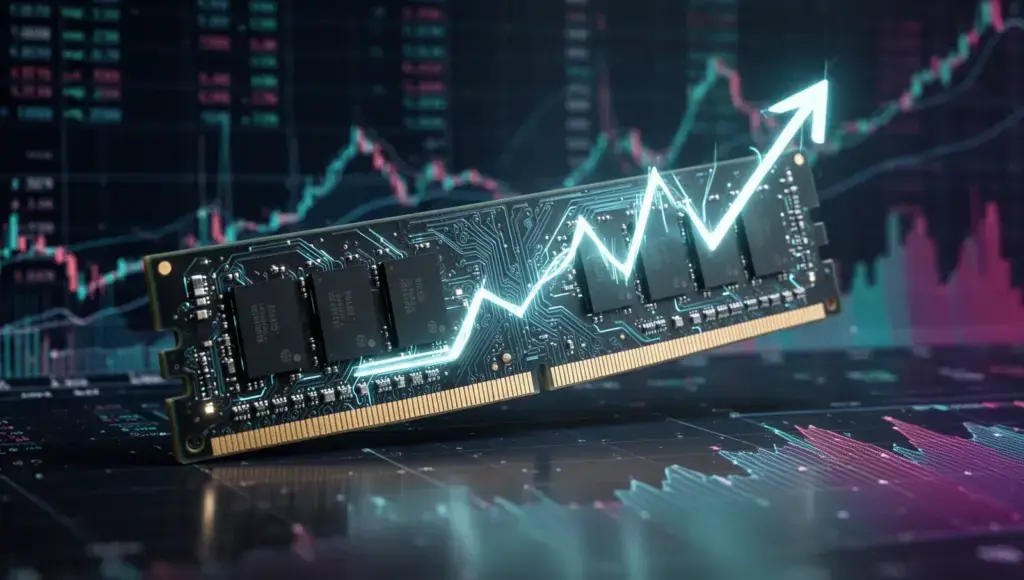
Hardware buyers face a severe cost shock as memory and storage prices surge, fundamentally altering the landscape of personal computing. Gartner predicts that DRAM and SSD costs will rise by 130 percent by the end of 2026, driven by intense demand for High Bandwidth Memory in AI applications. This diversion of production capacity forces manufacturers to raise prices significantly, impacting consumers who rely on affordable devices. The entry-level PC market, specifically models under $500, is projected to disappear entirely by 2028 as manufacturers abandon low-margin lines.
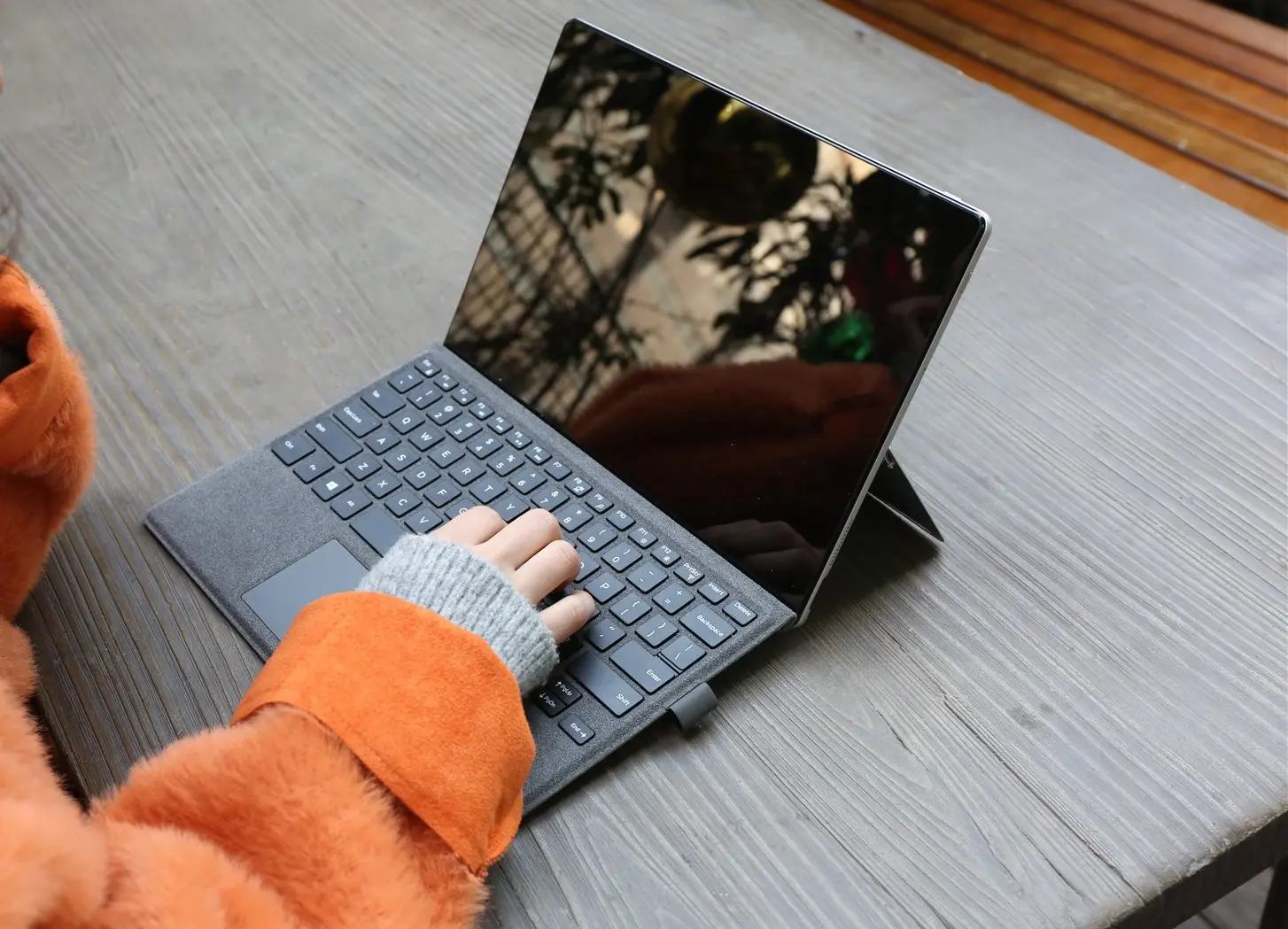
Memory shortages force manufacturers to abandon low-margin models
Major laptop brands including Lenovo, Dell, Acer, and Asus have already raised prices by 15 to 30 percent in response to these component shortages. The average selling price for PCs is expected to increase by 17 percent due to the rising cost of storage components. Global PC shipments are forecast to decline by 10.4 percent as higher prices deter buyers from purchasing new devices. This shift marks a significant contraction in the volume of devices sold globally, reflecting the economic pressure on the hardware sector.
Configuration standards are shifting dramatically as manufacturers attempt to manage costs while maintaining profit margins. Eight gigabytes of RAM is replacing 16 gigabytes as the standard memory configuration for many new laptops. Some manufacturers are even considering returning to 4GB configurations for the most basic models to keep prices competitive. These changes represent a step backward in standard computing power for the average consumer, prioritizing cost reduction over performance.
Manufacturers are actively abandoning their low-margin entry-level thin-and-light product lines to focus on higher-priced segments. This strategic move leaves a gap in the market for budget-conscious buyers who previously relied on affordable, portable devices. The disappearance of these models forces consumers to either pay significantly more for entry-level specs or settle for older, less efficient hardware. The long-term effect is a polarized market with fewer options for users seeking value.
The trend toward higher prices and lower specifications will likely continue through 2026 as AI-driven demand for memory persists. Buyers should expect to pay more for less performance in the entry-level segment for the foreseeable future. This reality requires consumers to adjust their expectations and budgets when planning future hardware purchases. The era of cheap, high-spec entry-level laptops appears to be ending.
Discussion
0 comments
Log in to join the thread with a thoughtful take, question, or correction.