
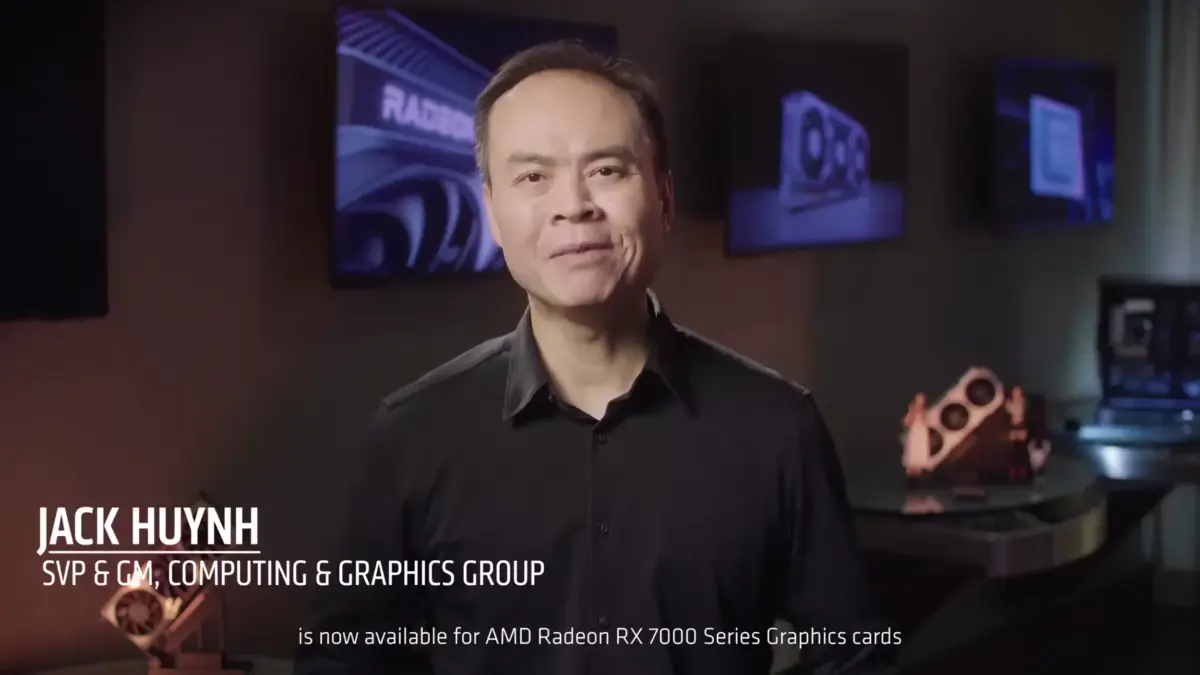
AMD has expanded access to its latest machine learning upscaling technology by releasing FSR 4.1 for Radeon RX 7000 series graphics cards. This update allows owners of these specific GPUs to utilize advanced frame generation techniques that were previously unavailable to them. The change matters because it brings high-quality upscaling to a large segment of the existing gaming hardware base without requiring new purchases. Users can now expect improved visual fidelity and performance in supported titles on their current systems.
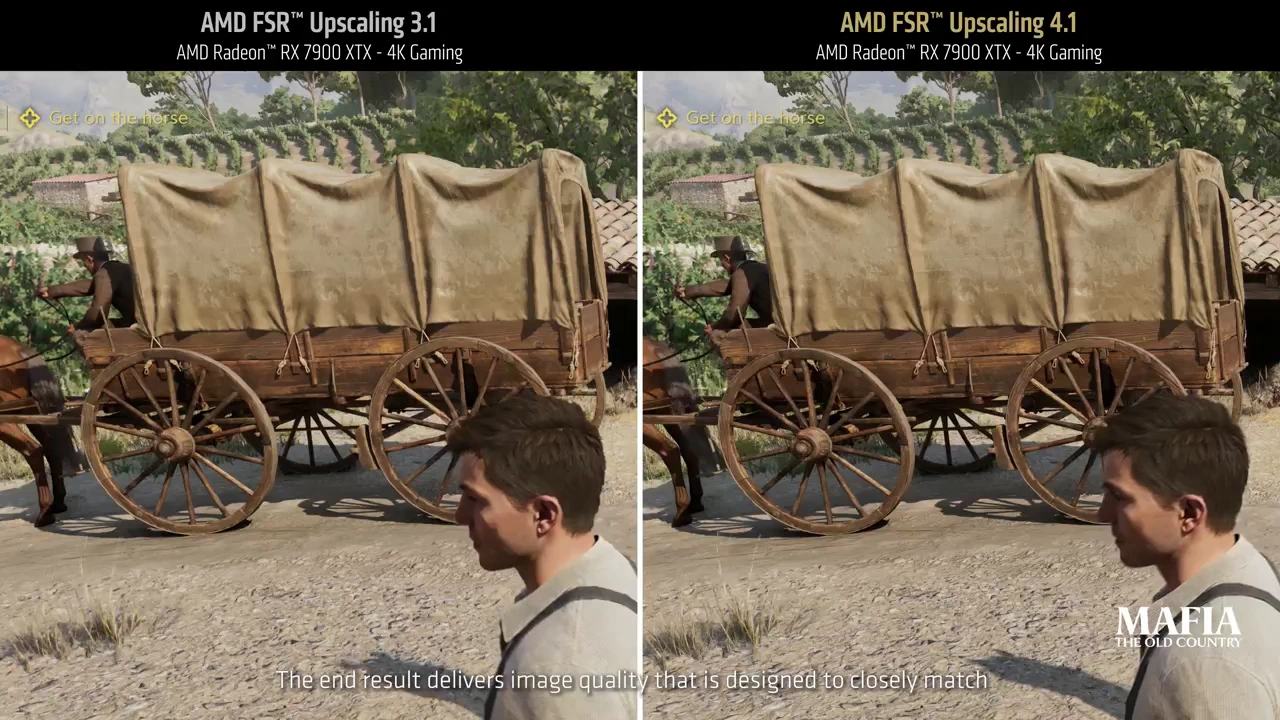
ML upscaling reaches over 1 billion devices with new hardware support
The FSR 4.1 software update introduces support for RDNA 3 APUs alongside the desktop graphics cards. AMD is developing lightweight machine learning models specifically optimized for these integrated processor units. This technical adjustment ensures that the upscaling technology can run efficiently on hardware with different architectural constraints. The update is available globally and affects compatibility across more than 300 games.
- Supported GPU Series: Radeon RX 7000 series
- Supported APU Architecture: RDNA 3 APUs
- Technology Type: Machine learning based upscaler
- Game Compatibility: More than 300 games
FSR 4.1 operates as a machine learning based upscaler designed to enhance image quality and frame rates. The technology relies on specific model architectures to process video frames in real time. AMD states that the solution is now active on more than 1 billion gaming devices worldwide. This scale indicates that the upscaling method has become a standard component of the modern gaming ecosystem.
The expansion to RDNA 3 APUs represents a shift in how AMD distributes its upscaling capabilities across different hardware tiers. The company is focusing on lightweight models to maintain performance on integrated graphics solutions. This approach allows a broader range of devices to benefit from the same underlying technology used in dedicated GPUs. The update does not include support for older architectures at this time.
AMD has confirmed that support for the Radeon RX 6000 series is planned for early 2027. This future roadmap item indicates that the company intends to extend FSR 4.1 compatibility to an even larger group of users. The timeline suggests a phased rollout of the technology across multiple generations of hardware. Owners of RX 6000 series cards will need to wait for this specific driver update to access the features.
When we covered the last fsr 4.1 update, several of the same balance and stability themes came up. This continuity suggests that AMD is refining existing frameworks rather than introducing entirely new methodologies in each release. The focus remains on expanding hardware support while maintaining consistent performance characteristics across different devices. The current release solidifies the position of FSR 4.1 as a widely adopted upscaling standard.

Discussion
0 comments
Log in to join the thread with a thoughtful take, question, or correction.