
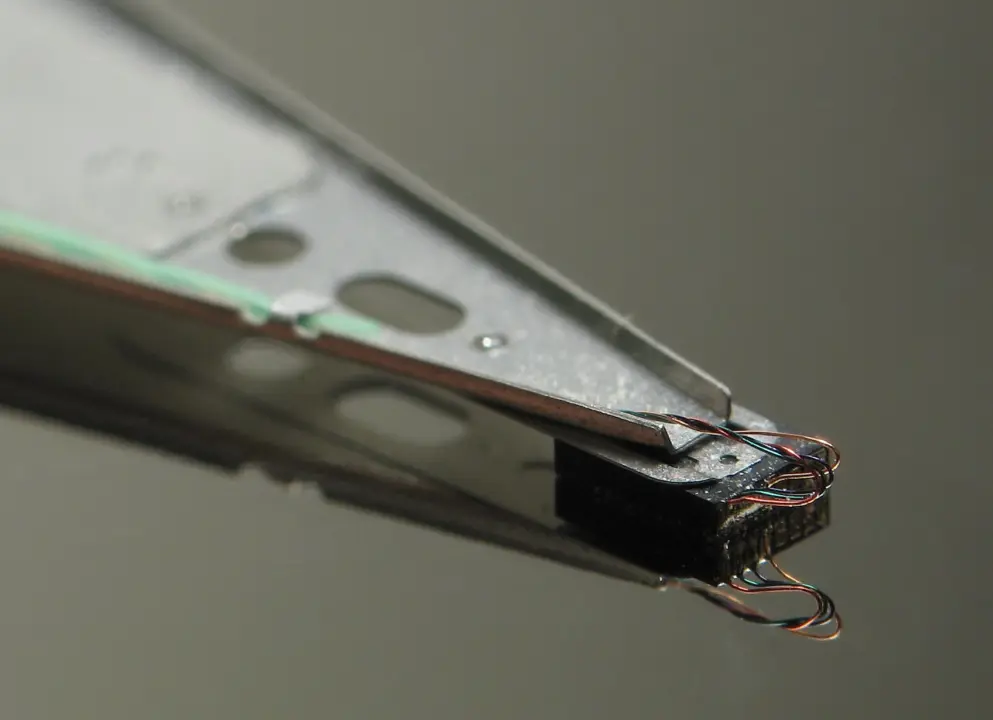
AI workloads are driving a sharp increase in demand for data storage, yet the two companies controlling the hard drive market are choosing not to meet that need with more supply. Seagate and Western Digital are maintaining their current production levels instead of expanding capacity, a decision that has triggered immediate price hikes for consumers and businesses alike. This shortage means buyers will face higher costs for nearline storage solutions throughout the remainder of the decade.
Manufacturers maintain output levels despite AI-driven demand
The market is dominated by these two major vendors, who are leveraging their position to maximize profitability rather than volume. Analysts project a significant supply gap for nearline hard drives, estimating a shortage of 300 exabytes in 2024. This deficit is expected to widen to 400 exabytes by 2025 and 2026 as AI infrastructure continues to consume available drive capacity.
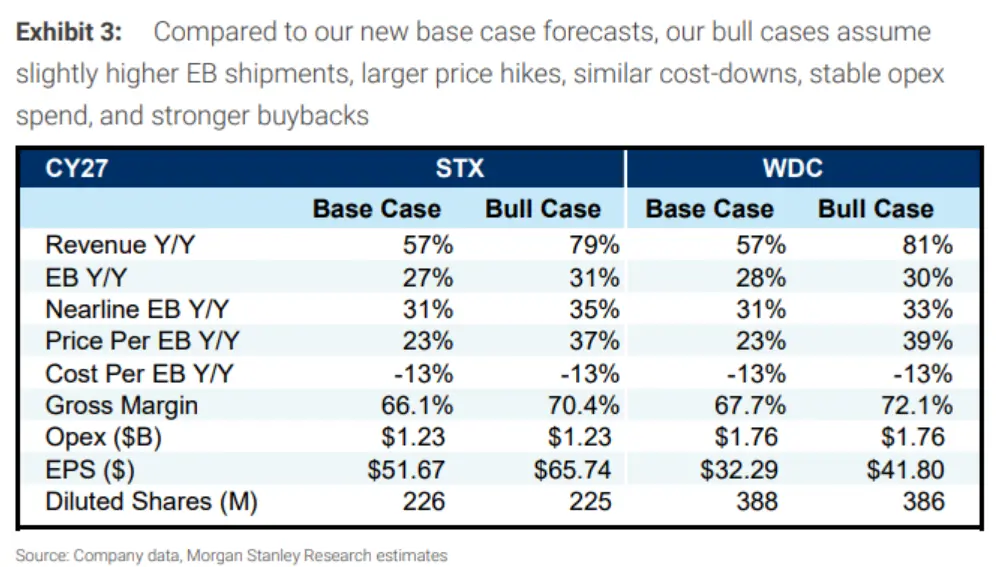
Financial projections indicate that hard drive manufacturers are capturing margins comparable to those seen in the volatile memory chip sector. Seagate is expected to achieve gross margins between 66 and 70 percent next year, while Western Digital is projected to reach 68 to 72 percent. These figures align closely with the profitability levels currently enjoyed by major memory manufacturers like Samsung.
The long-term financial outlook for these companies remains robust under optimistic market conditions. Western Digital could see net profits reach $19.9 billion by 2028 in a bull case scenario. Seagate is projected to record $18.5 billion in net profit during the same period, reflecting the sustained pricing power derived from the supply constraint.
Discussion
0 comments
Log in to join the thread with a thoughtful take, question, or correction.