
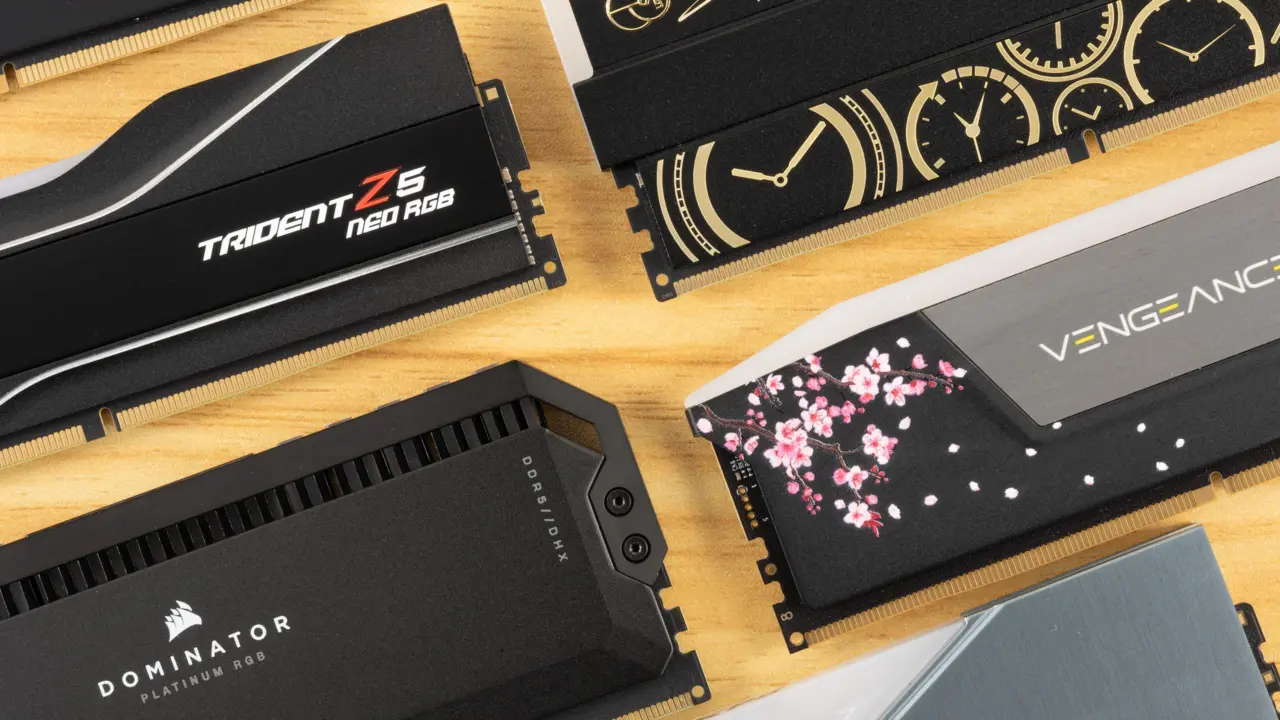
Intel is adjusting its strategy to address a severe squeeze in memory pricing that is impacting the PC market. Senior Director Nish Neelalojanan stated that 'something has to give' regarding over-inflation in memory costs, signaling a shift in how the company manages component availability and pricing pressures.
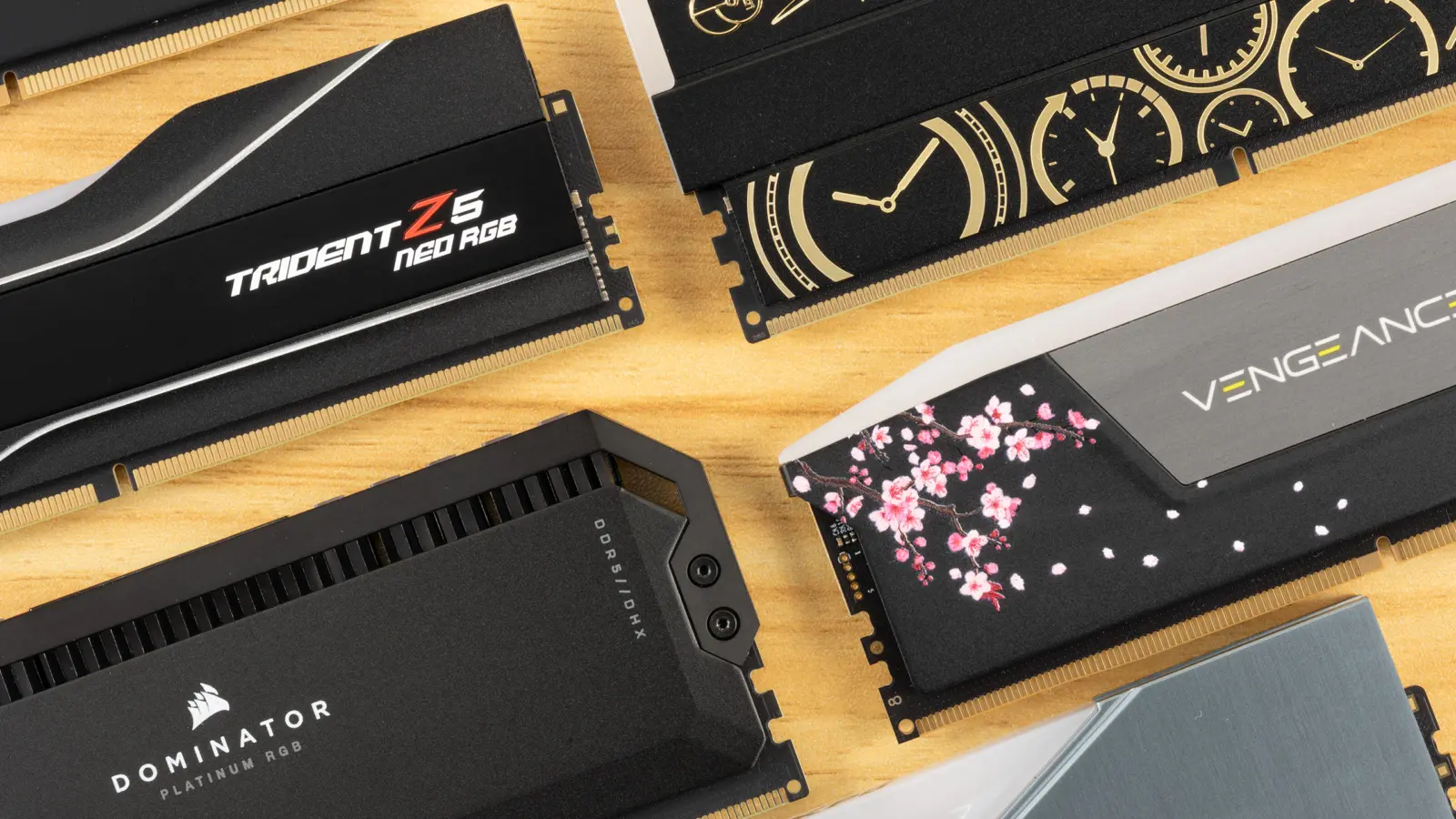
Senior director confirms extended compatibility for older memory standards while validating lower configurations
The company will continue supporting older memory standards like DDR4 on both desktop and mobile platforms rather than end-of-lifing them immediately. This decision ensures that Raptor Lake processors remain compatible with existing, cost-effective memory modules for users who need to manage upgrade expenses.
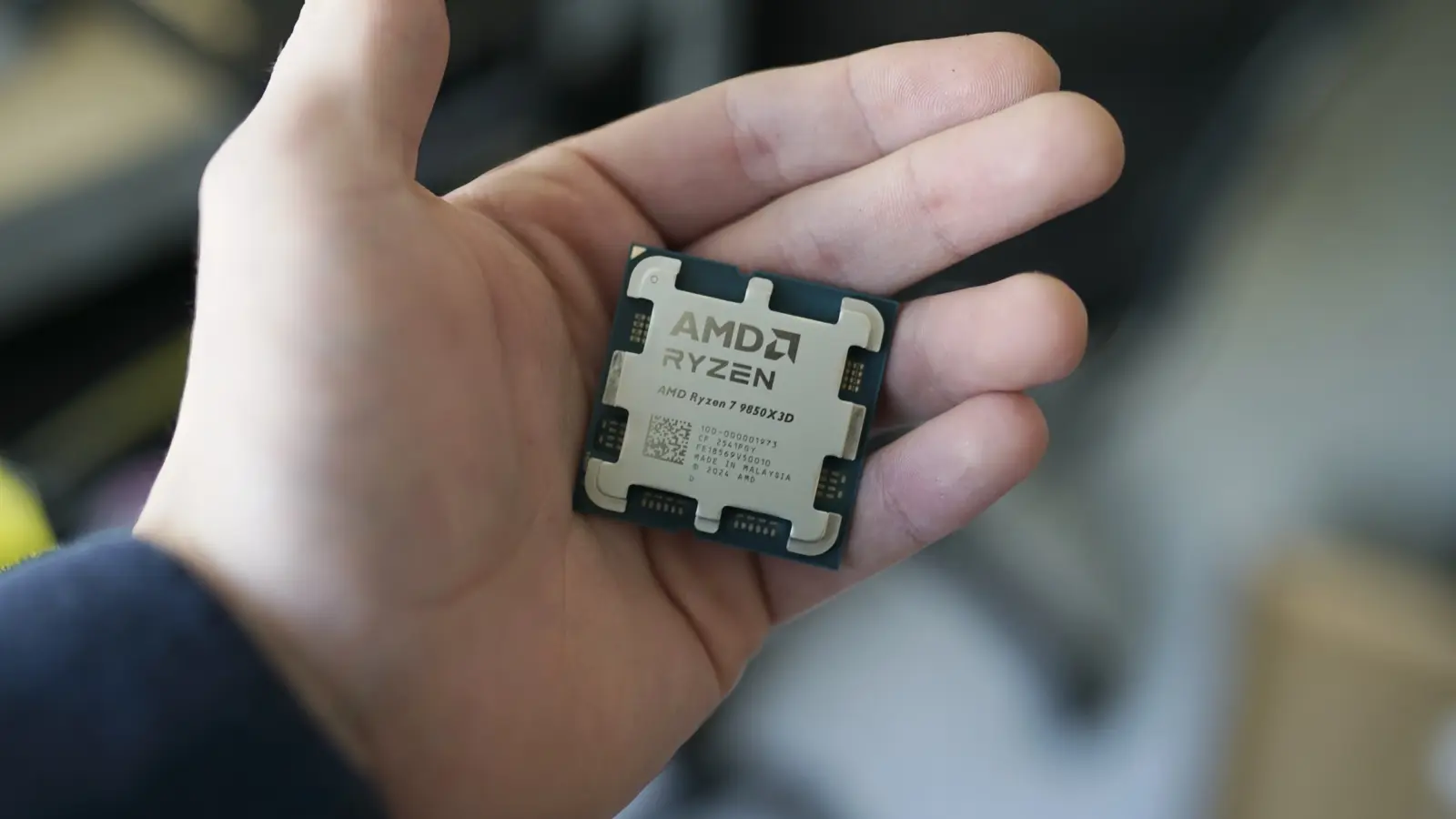
Intel is actively validating indigenous memory suppliers from regions including China and Indonesia to increase supply choice and reduce reliance on a limited number of manufacturers. Wildcat Lake is being validated for lower configurations, starting at 8GB single-channel RAM to leverage low-memory setups and accommodate budget-conscious builders.
The strategic pivot reflects a broader industry challenge where rising component costs force hardware makers to extend support for legacy technologies. By maintaining DDR4 compatibility and exploring alternative supply chains, Intel aims to stabilize its product roadmap while navigating volatile market conditions.
This approach provides a practical path forward for consumers facing high memory prices without requiring immediate platform upgrades. The company's focus on supply chain diversification and older standard support underscores a commitment to accessibility in an increasingly expensive hardware landscape.
Discussion
0 comments
Log in to join the thread with a thoughtful take, question, or correction.