
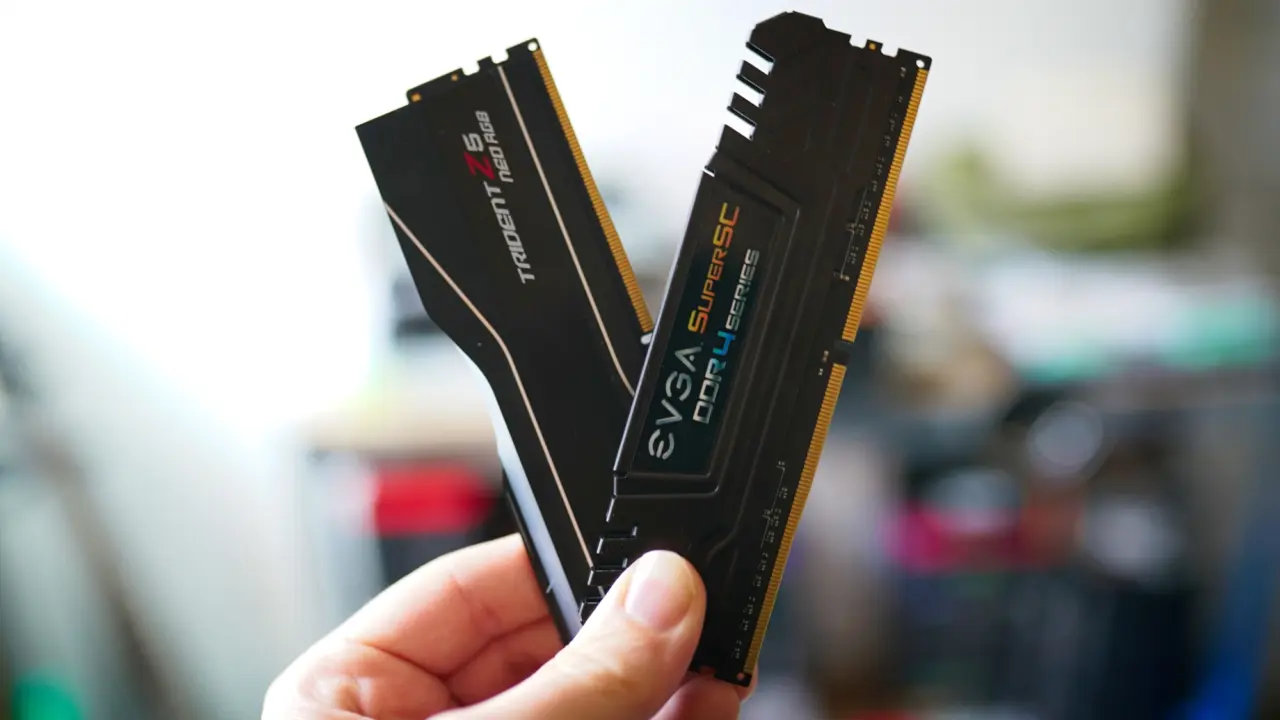
Intel LGA 1700 processors continue to support DDR4 memory, a feature that allows buyers to reuse older RAM modules. This compatibility matters because it offers a cheaper upgrade path for users who already own DDR4 sticks. However, our review of recent benchmarks shows that this cost saving comes with a significant performance penalty. Gamers and power users should expect a noticeable drop in frame rates when sticking with the older standard.
Benchmarks show significant frame rate penalties and higher power draw
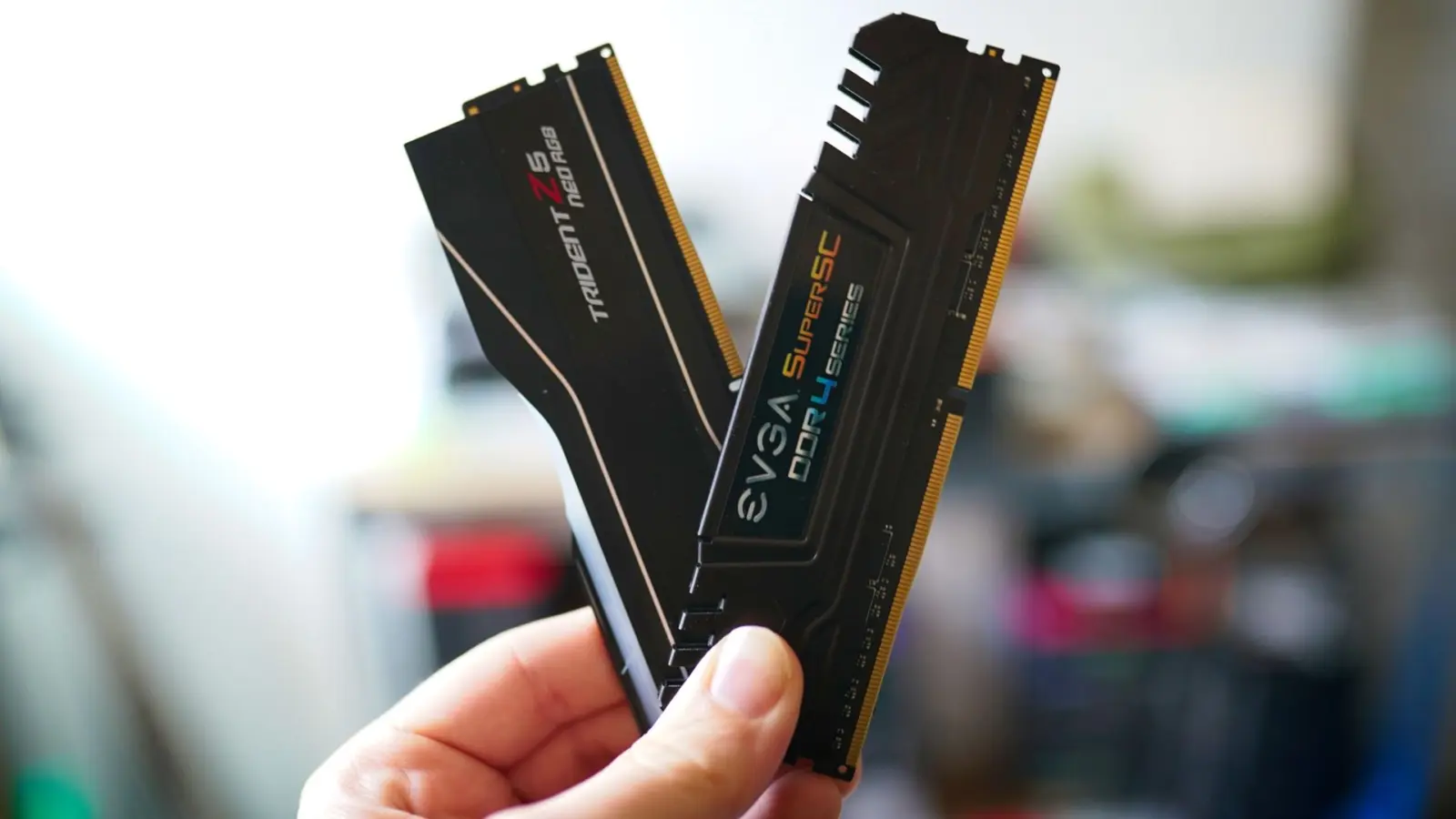
The testing platform used LGA 1700 CPUs paired with an Nvidia GeForce RTX 5090 Founder’s Edition. We ran these tests at 1080p resolution to isolate the impact of memory bandwidth on the CPU. The DDR5 configuration utilized 2x16GB G.Skill Trident Z Neo RGB DDR5-7200. The DDR4 configuration used 4x8GB G.Skill Trident Z RGB DDR4-3200. This setup highlights the difference between modern high-speed memory and the older generation.
Benchmarks across 15 games reveal an average 14% performance drop when using DDR4 instead of DDR5. The gap widens with newer processors, as the Core i9-14900K shows a 14% loss. Older chips like the Core i7-12700K show a smaller 9.3% drop. Specific titles such as Marvel Rivals suffer up to a 25.3% performance loss on high-end chips. This bottleneck flattens performance gains on faster CPUs.
DDR4 systems also consume more power than their DDR5 counterparts. The CPU power consumption increases when running the older memory standard. This efficiency loss adds to the total cost of ownership for builders. Users prioritizing energy efficiency should avoid DDR4 on LGA 1700 platforms. The performance and power penalties make DDR4 a dead end for future upgrades.
We've been tracking DDR4 closely — see our earlier coverage on Intel Raptor Lake and Wildcat Lake. Intel continues to support DDR4 on Raptor Lake and Wildcat Lake CPUs to address memory price squeezes. This support allows for mixed-platform upgrades but limits peak performance. Buyers must weigh the initial savings against long-term performance and power costs. The data confirms that DDR5 is the better choice for high-end gaming builds.
Discussion
0 comments
Log in to join the thread with a thoughtful take, question, or correction.