
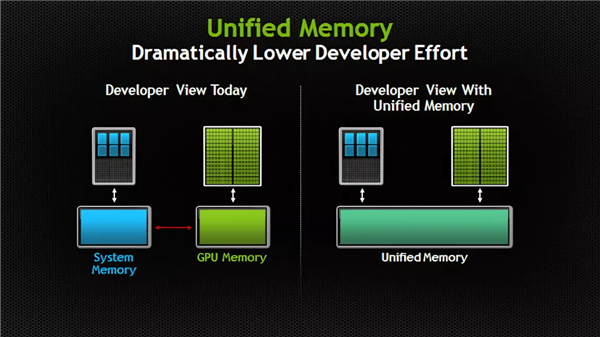
Microsoft is testing a new Windows 11 feature called IntelligentCarveout that gives users direct control over how the operating system divides unified memory. This change matters because it allows owners of high-end hardware to bypass automatic allocation and assign specific memory amounts to AI or graphics tasks. Users who run demanding local workloads can now define dedicated ratios for their systems instead of relying on software guesses.
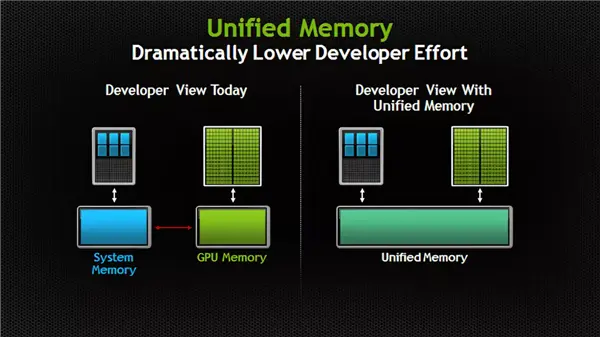
Users can manually split unified memory pools in experimental build
The feature appears in Windows 11 build 29648.1000, which Microsoft released as an experimental version for testing. This build introduces the IntelligentCarveout capability, which sits alongside the existing auto-allocation system. The update targets devices equipped with NVIDIA RTX Spark chips, a platform known for its high memory capacity.
NVIDIA RTX Spark devices support up to 128GB of unified LPDDR5x memory, a specification that enables complex AI and graphics workloads. IntelligentCarveout allows users to manually split this pool between system operations, graphics processing, and artificial intelligence tasks. This manual control supplements the default Windows behavior, which currently handles memory distribution automatically.
We looked at Windows 11 August Update Causes Game earlier while tracking Microsoft releases. The current implementation remains in an experimental phase, meaning the feature is not yet available in stable releases. Microsoft is likely refining the tool to better support upcoming hardware configurations before a wider rollout.
IntelligentCarveout represents a shift toward user-defined memory management in Windows 11. The feature is currently limited to experimental builds and specific hardware targets. Users interested in testing manual allocation must install build 29648.1000 to access the capability.
Discussion
0 comments
Log in to join the thread with a thoughtful take, question, or correction.