
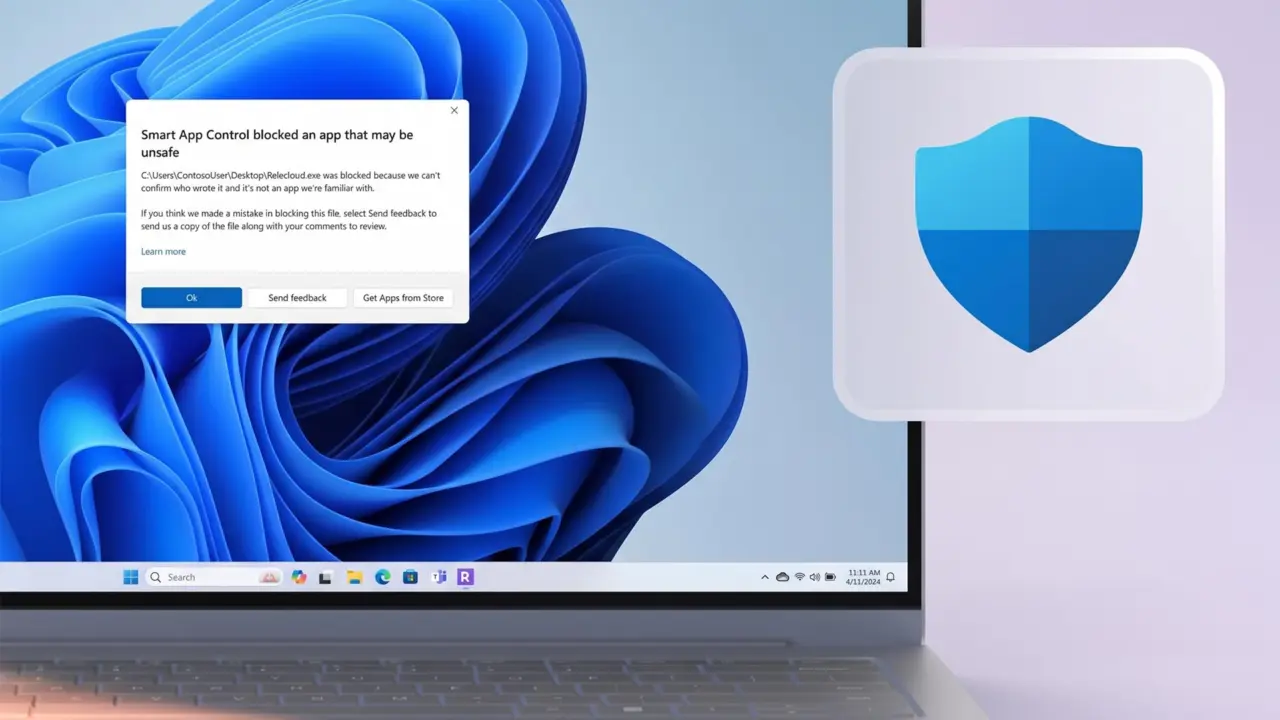
A single user report about a slow language input installation on Windows 11 26H2 has triggered a disproportionate reaction that highlights the fragility of modern operating system updates. This incident highlights how significant delays during emergencies can compel users to revert to older software, potentially impacting Microsoft's reputation and prompting scrutiny regarding update stability. Readers should note that while the specific delay was anecdotal, the emotional response underscores the high stakes users place on system stability during urgent tasks.
User downgrades to Windows 10 after 20-minute language input stall on Windows 11 26H2
The core of the controversy involves a Reddit user who downgraded from Windows 11 26H2 to Windows 10 after a language input method installation stalled for 20 minutes. This user claimed that the exact same process took only two minutes on the older Windows 10 platform, suggesting a significant regression in performance for this specific feature. The delay occurred while the user was managing a family medical emergency, adding a layer of personal stress to the technical failure.
Technical details from the report indicate that the user needed to install a built-in Windows language input method to search online for a medical condition. The installation process on Windows 11 26H2 took a full 20 minutes to complete, whereas the user reported that the total time required on Windows 10 elapsed in just two minutes. This stark contrast in installation speed formed the basis for the user's decision to revert to the previous operating system version.
The article covering this incident argues that the user's decision to downgrade was an overreaction and suggests that disabling updates would have been a more practical solution. The user described the operating system as "really F annoying" and claimed it "could actually cost someone their life," reflecting extreme frustration with the software experience. This perspective contrasts with the editorial view that the situation was blown out of proportion, highlighting the gap between user experience and technical reality.
When we covered the last Windows 11 update, several of the same balance and stability themes came up, showing a recurring pattern in user feedback. Microsoft's ongoing update cycle occasionally introduces operational friction for users who depend on specific system functions during urgent situations. The incident serves as a reminder that even minor software delays can have significant personal consequences, prompting users to seek older, more familiar platforms when things go wrong.
Discussion
0 comments
Log in to join the thread with a thoughtful take, question, or correction.