
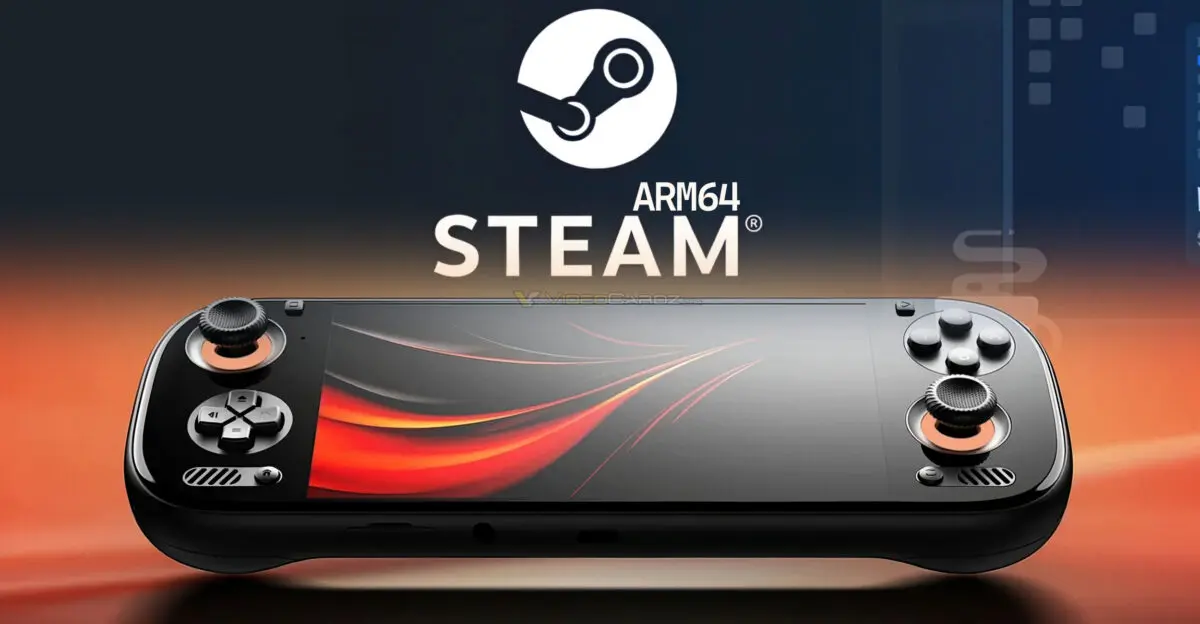
Valve has officially confirmed that the Steam client does not support ARM-based hardware for Linux users. This clarification matters because handheld PC makers like AYN have released devices using ARM processors that run Linux. Gamers relying on these specific handhelds cannot currently use the Steam client to manage or launch their libraries. The restriction limits the utility of ARM Linux handhelds for users who depend on Steam for their gaming ecosystem.
Valve closes GitHub issue citing 2015 policy
The confirmation came after a user reported AV1 hardware decoding issues on the AYN Odin 3. The user filed a bug report on GitHub seeking assistance with the playback problem. Valve employees reviewed the report and determined that the issue stemmed from a fundamental platform incompatibility rather than a software bug. The company closed the issue by directing the user to an older feature request from October 2015 that remains open.
Current system requirements for Steam on Linux specify an x86_64 Linux kernel and processor architecture. Valve explicitly stated that the client is not currently supported on ARM-based hardware. This architectural requirement excludes third-party ARM devices from official compatibility. The stance creates a clear divide between x86 handhelds and ARM handhelds in the Linux gaming space.
Valve does develop ARM hardware through its own Steam Frame device. The Steam Frame utilizes a Snapdragon 8 Gen 3 processor for its operation. However, this internal product does not extend support to third-party ARM Linux devices. The company maintains a strict separation between its proprietary ARM hardware and the broader Linux ARM ecosystem.
We noted similar stability themes in our coverage of the last Steam update. The current restriction highlights the ongoing challenges in unifying gaming platforms across different processor architectures. Users with ARM Linux handhelds must rely on alternative launchers until Valve changes its support policy.
Valve maintains that Steam for Linux requires x86_64 architecture and does not support third-party ARM devices. The company ships its own ARM hardware via the Steam Frame but keeps the client closed to other ARM Linux systems.


Discussion
0 comments
Log in to join the thread with a thoughtful take, question, or correction.