
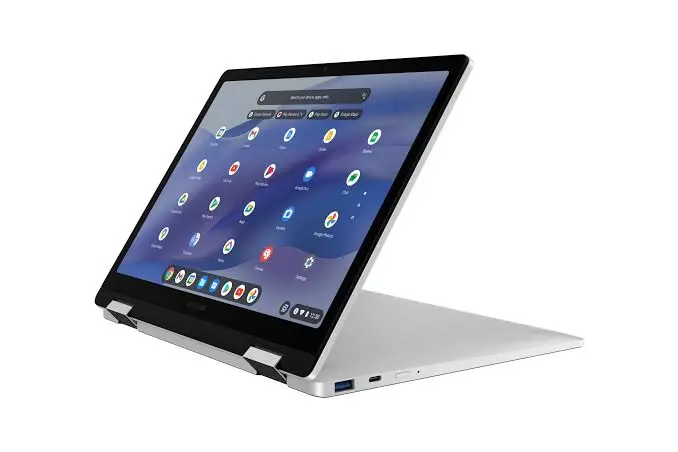
Schools across the United States are pulling back on Chromebook programs after years of realizing these devices often distract students rather than help them learn. This shift matters because it changes how students access digital tools in the classroom and signals a broader skepticism toward one-size-fits-all technology mandates. Many districts now restrict Chromebook use to specific educational tasks, effectively ending the era of unrestricted device access for many learners.
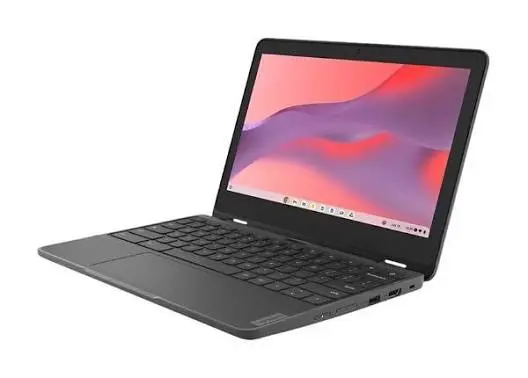
Districts restrict devices after studies show no grade improvement
Google’s Chromebooks run ChromeOS and rely on web-based applications like Google Docs and Google Classroom for their core functionality. These low-cost devices, typically priced between $300 and $400, have become staples in US schools due to their affordability and ease of management. However, their open nature also makes them susceptible to misuse when not strictly monitored by educators.
- Operating System: ChromeOS
- Price Range: $300-$400
- Key Applications: Google Docs, Google Classroom
The policy changes stem from observed behavioral issues, with students using Chromebooks for YouTube, gaming, and even bullying via Gmail during class time. McPherson Middle School in Kansas banned Chromebooks in December, restricting their use to specific academic activities to curb these distractions. This targeted restriction reflects a growing trend among administrators to prioritize focused learning over constant digital connectivity.
Research supports these restrictive measures, with studies indicating that laptops may not significantly improve student grades. A 2017 NPR report on Maine’s fifteen-year 'one laptop per child' initiative found no significant improvement in academic performance. Schools in Michigan, Virginia, and North Carolina are now reconsidering their laptop policies in light of such evidence, aiming to balance technology use with proven educational outcomes.


Discussion
0 comments
Log in to join the thread with a thoughtful take, question, or correction.