
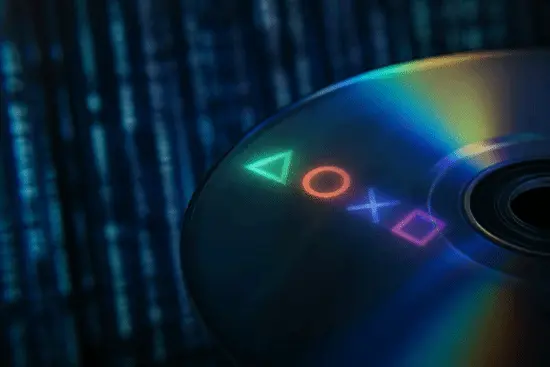
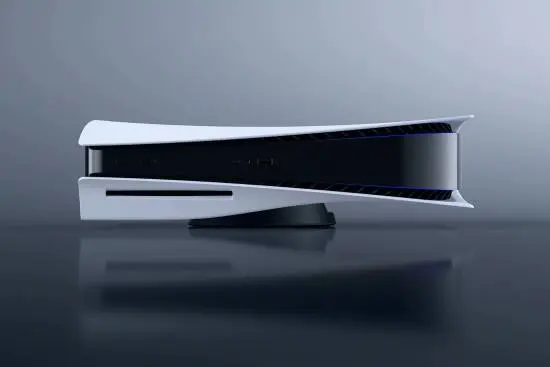
Sony reportedly plans to stop issuing physical game discs by 2028, a move that has triggered immediate backlash from the gaming community. The move away from physical discs raises questions about ownership and resale rights for players who have long relied on retail copies. The situation highlights a growing tension between corporate strategies focused on digital convenience and consumer desires for tangible products.
Former Valve writer argues players chose digital convenience over retail
Former Valve writer Chet Faliszek has entered the debate by arguing that consumers are directly responsible for the decline of physical media. He suggests that the industry is simply responding to player preferences for digital distribution over traditional retail formats. His comments frame the transition not as a corporate mandate, but as a natural evolution driven by user behavior.
Market data supports the view that physical sales are shrinking significantly in key regions. Circana analyst Mat Piscatella reported that only seven PlayStation games in the US sold over 100,000 physical copies this year. This low volume indicates that the majority of players are already opting for digital downloads or subscription services.
Faliszek also notes that digital market share statistics are likely underestimated because they often exclude platforms like Steam, mobile, and Game Pass. He argues that retail did not die from corporate dictatorship, but gradually perished with every purchase made for the sake of convenience. This perspective shifts the blame from manufacturers to the everyday choices of gamers.
Comments on the Marvel's Wolverine trailer are filled with player demands to retain physical formats despite the market trends. These reactions show that a vocal segment of the community still values the ability to buy, sell, and trade physical discs. The industry must now decide whether to continue catering to this niche or fully commit to a digital-only future.



Discussion
0 comments
Log in to join the thread with a thoughtful take, question, or correction.