
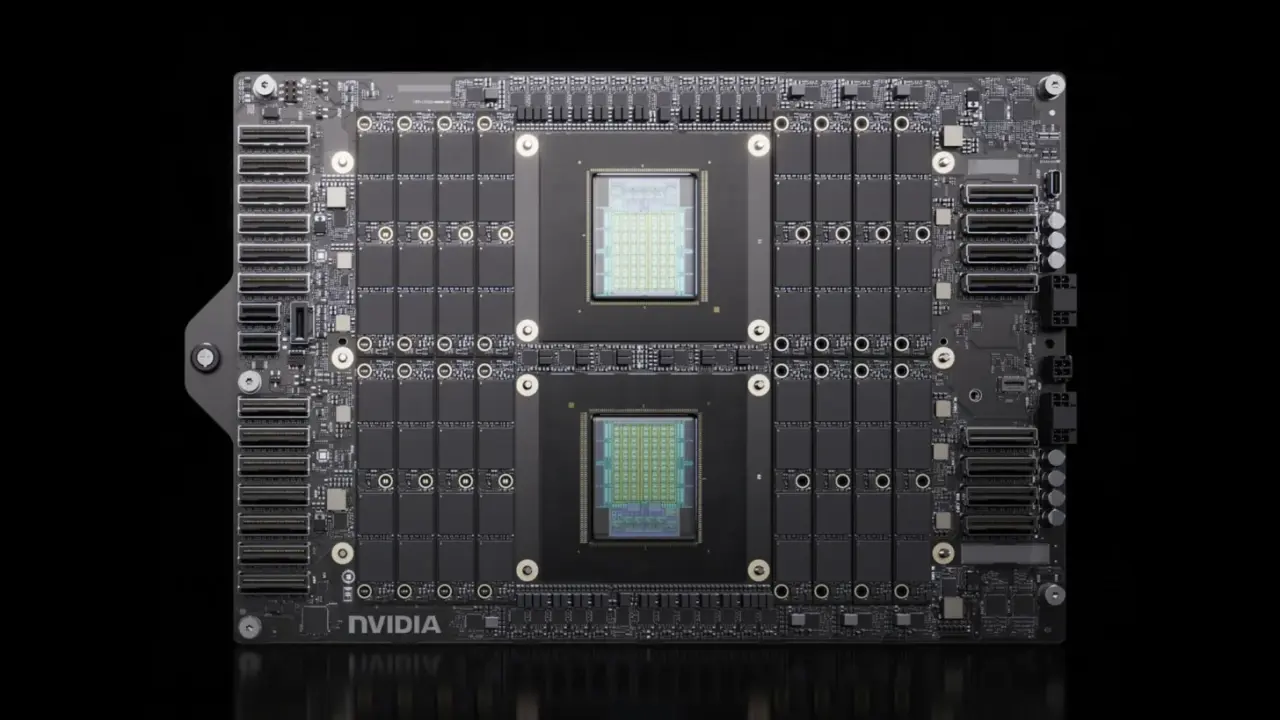
NVIDIA introduced the Vera Rubin platform, a new architecture for AI servers that combines distinct memory technologies for its processing units. The platform utilizes LPDDR5X DRAM for the CPU components and HBM4 DRAM for the GPU components within each superchip. This dual-memory approach marks a significant shift in how the company structures its high-performance computing hardware. The design aims to deliver substantial improvements over the previous Grace Blackwell generation.
Each Vera Rubin superchip contains 1.5TB of memory and operates with a bandwidth of 1.2TB/s. The platform offers three times the capacity and over 50 percent more bandwidth compared to the previous generation. A full rack configuration scales up to 400TB of memory with a maximum bandwidth of 315TB/s. The CPU cores within the system are built on the NVIDIA Olympus architecture, with 88 cores and 176 threads per processor. A complete rack utilizes 22,528 NVIDIA Olympus cores and 45,056 threads to handle massive workloads.
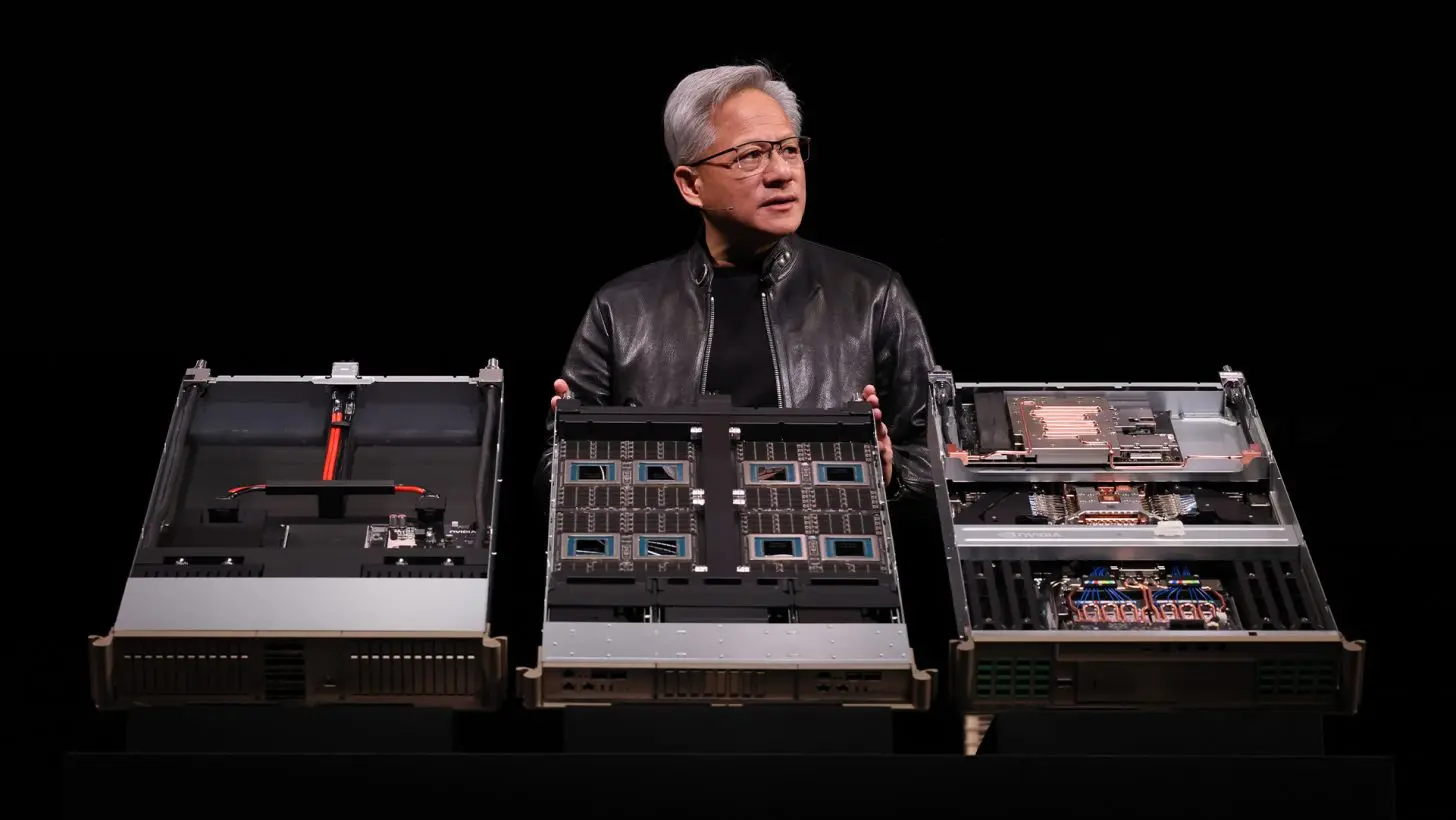
The architecture relies on NVIDIA BlueField-4 DPUs for networking and employs liquid cooling to manage thermal output. Supply chain reports indicate that the platform supports two types of memory to optimize performance for different tasks. The design provides significant improvements over Grace Blackwell servers, which previously set the standard for AI infrastructure. These enhancements position the Vera Rubin platform as a major step forward for large-scale data center operations.
Dual memory types and 3x capacity boost redefine AI server performance
Nanya Technology has entered NVIDIA's AI server main memory system as the first Taiwanese manufacturer to do so. This development breaks the previous dominance of Korean and American companies in this specific supply chain segment. The entry of a new major manufacturer signals a shift in the global memory industry landscape. NVIDIA continues to expand its hardware ecosystem with these new capabilities for the AI market.
Source: wccftech.com
Discussion
0 comments
Log in to join the thread with a thoughtful take, question, or correction.