

NVIDIA is expanding its AI infrastructure across Europe with a massive deployment of 35 new supercomputers. This initiative spans 23 countries and aims to provide researchers with access to 800 exaflops of total AI compute capacity. The rollout directly supports over three million scientists working in climate modeling, health research, and energy development. Users in these fields will gain access to significantly faster simulation speeds and data processing capabilities.
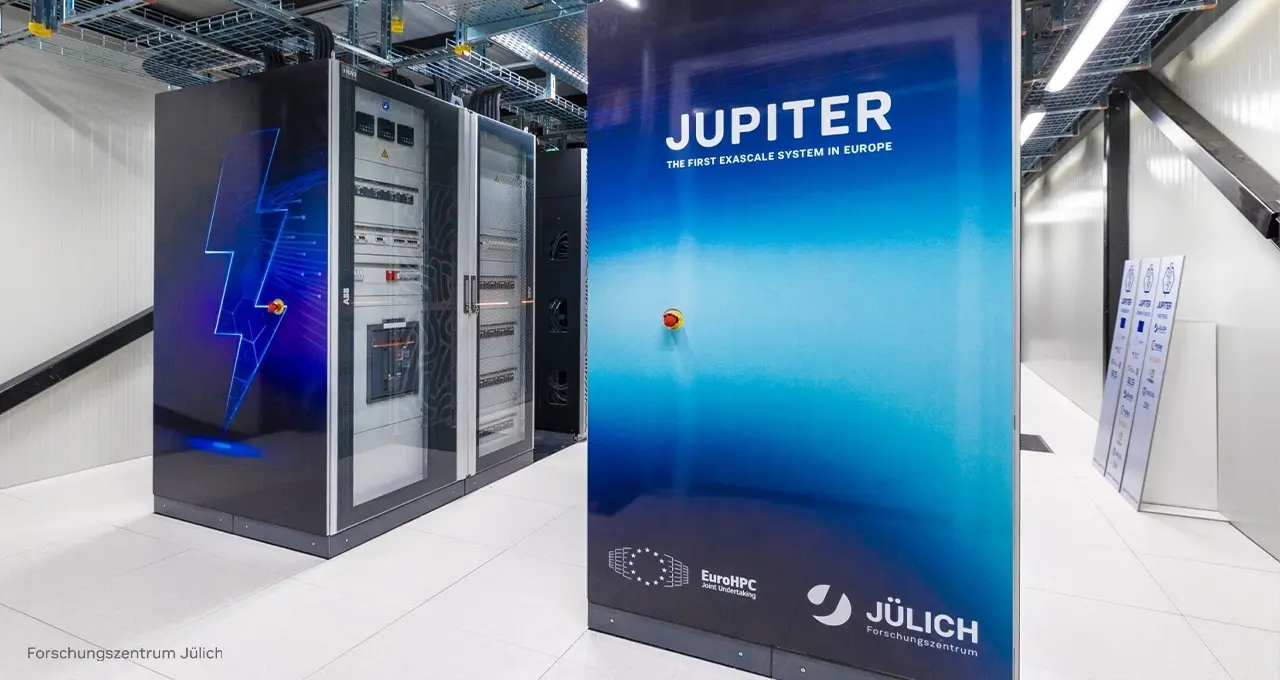
Massive deployment spans 23 nations to support climate and health research
The new systems rely on a mix of current and upcoming NVIDIA architectures, including Hopper, Blackwell, and the Vera Rubin platform. These installations replace or augment existing hardware to meet growing demands for artificial intelligence workloads. The Vera Rubin architecture, for instance, delivers seven exaflops of AI performance alongside five petaflops of native FP64 computing power. This combination allows the systems to handle both specialized AI tasks and traditional high-performance computing requirements.
Spec comparison
| Spec | IT4LIA | HammerHAI | Blue Swan | Mimer AI Factory |
|---|---|---|---|---|
| GPUs | 8,000+ | 850+ | 1,000 | 400 |
| AI Training | 82 Exaflops | 8 Exaflops | 11 Exaflops | 4 Exaflops |
| AI Inference | 164 Exaflops | 15 Exaflops | 22 Exaflops | 7 Exaflops |
Specific deployments showcase varying scales of hardware integration across the continent. The IT4LIA facility in Europe will utilize over 8,000 GPUs to deliver 82 exaflops of AI training and 164 exaflops of inference performance. In Germany, the HLRS HammerHAI system employs more than 850 GPUs to provide eight exaflops of training and 15 exaflops of inference capacity. These configurations demonstrate how different regions are tailoring their infrastructure to specific research needs.
Other key installations include the MareNostrum 5 expansion at the Barcelona Supercomputing Center and the BavariaAI Blue Swan system. The Barcelona center will offer approximately 20 exaflops for AI training and 33 exaflops for inference. The BavariaAI Blue Swan deployment brings 1,000 GPUs to the table, yielding 11 exaflops of training and 22 exaflops of inference performance. Additionally, the NAISS Mimer AI Factory in Sweden will deploy 400 GPUs to support four exaflops of training and seven exaflops of inference.
A major milestone in this rollout is the Jupiter supercomputer, which marks the first exascale supercomputer for Europe. This system is designed to support planetary climate simulations and other large-scale scientific endeavors. The deployments are primed for operation by 2027, following their initial unveiling at ISC 2026. This timeline ensures that researchers will have access to these resources in the near future.
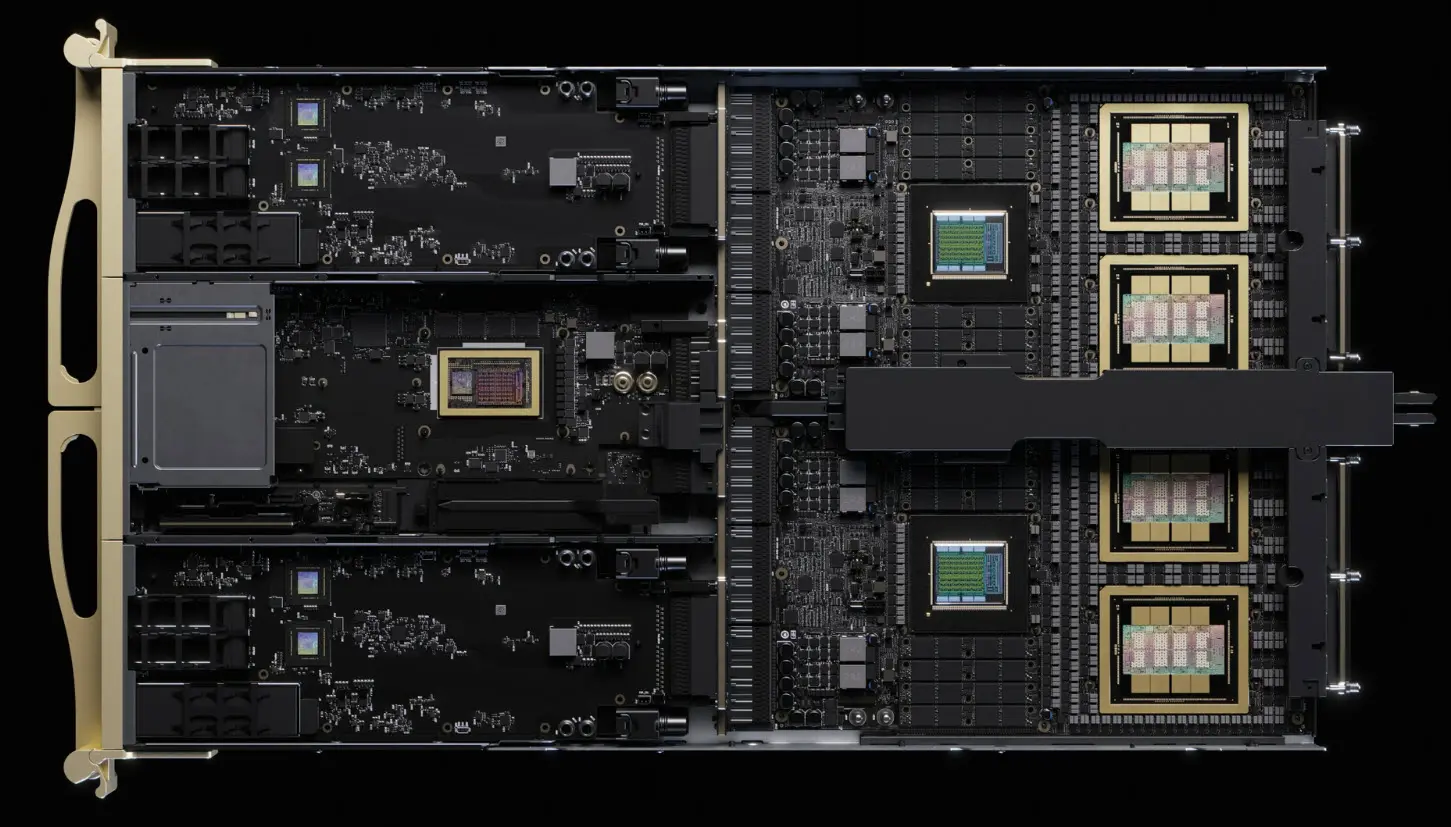
NVIDIA claims that the Vera Rubin platform can deliver top-tier supercomputer performance within a single rack. This density allows for more efficient data center layouts and reduced latency between components. The Blue Lion installation at one site offers 30 times higher compute power compared to its previous deployment. These performance leaps highlight the rapid evolution of AI hardware capabilities in recent years.



Discussion
0 comments
Log in to join the thread with a thoughtful take, question, or correction.