

NVIDIA is adjusting its GPU strategy for the Chinese market to navigate tightening US export controls. This shift matters because it signals a rapid decline in foreign hardware dominance as Beijing accelerates its push for self-reliance in AI infrastructure. Buyers and enterprise users in the region will see a quicker transition away from Western silicon.
TrendForce projects domestic chips capture 90% share by 2026
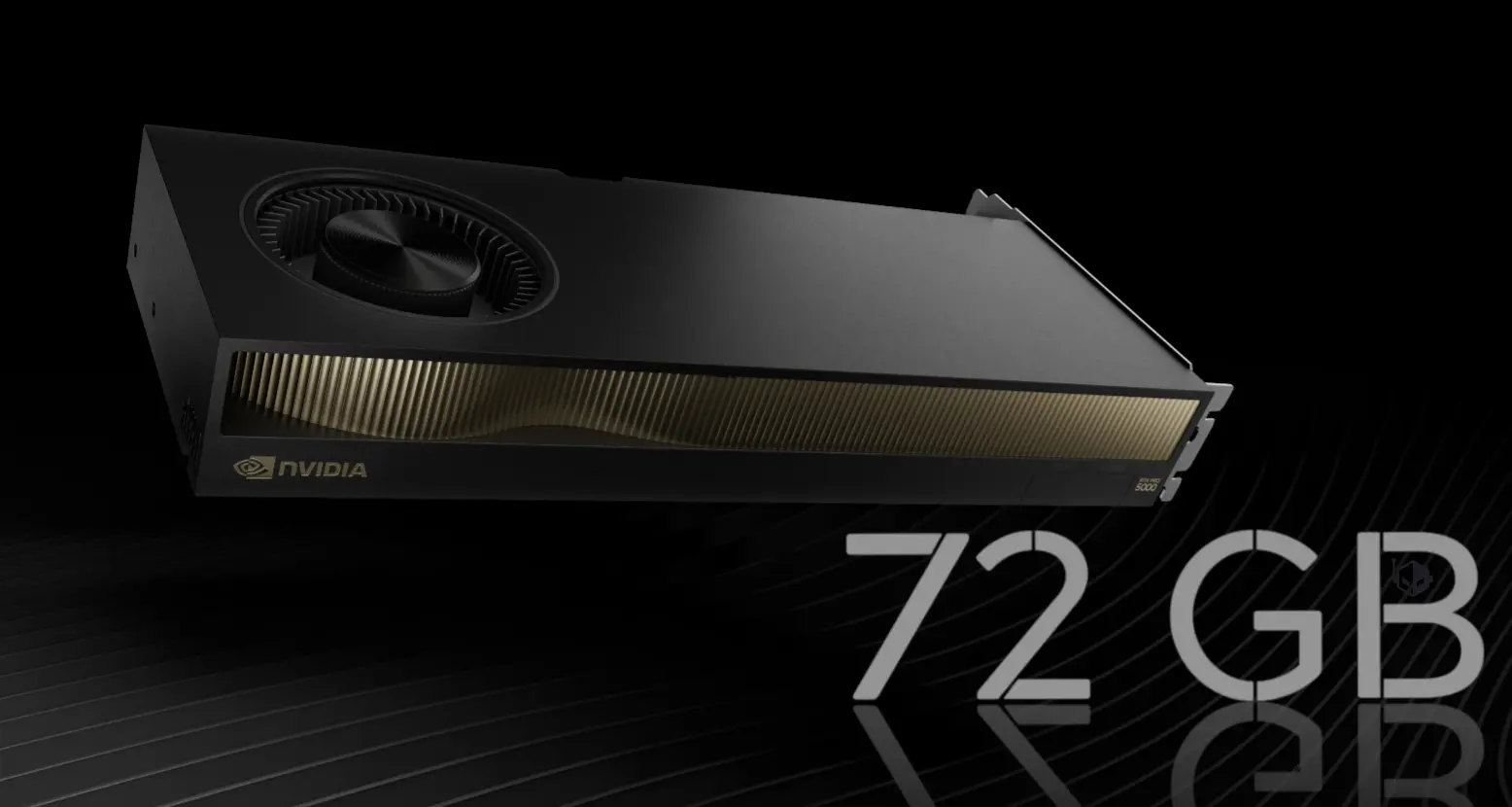
TrendForce reports that NVIDIA plans to release a specific variant of its RTX Pro 5000 GPU for China. This model belongs to the Blackwell GPU family and relies on GDDR7 memory to stay within regulatory limits. The company is also managing the previously reported RTX 6000D to maintain its foothold.
- Memory Type: GDDR7
- GPU Family: Blackwell
- Market Share Projection (NVIDIA/AMD): 10%
- Market Share Projection (Domestic): 90%
The research firm projects that NVIDIA and AMD will hold only 10% of the Chinese GPU market by 2026. Domestic competitors, including Huawei, Baidu, Alibaba, Tencent, and Cambricon, are expected to capture the remaining 90%. High-end Chinese AI chip shipments are projected to grow by 83% annually in 2026.
US chip restrictions and conditional approval processes are driving this market shift toward domestic alternatives. The RTX Pro 5000 with GDDR7 represents a technical compliance measure rather than a performance leap. This strategy aims to extend the lifecycle of Blackwell architecture in a constrained market.
We looked at the broader impact of US export controls on GPU availability earlier while tracking NVIDIA's global supply chain adjustments. The move highlights how geopolitical policy directly dictates hardware architecture and memory choices for specific regions. Domestic chips are now the primary growth vector in the region.



Discussion
0 comments
Log in to join the thread with a thoughtful take, question, or correction.