
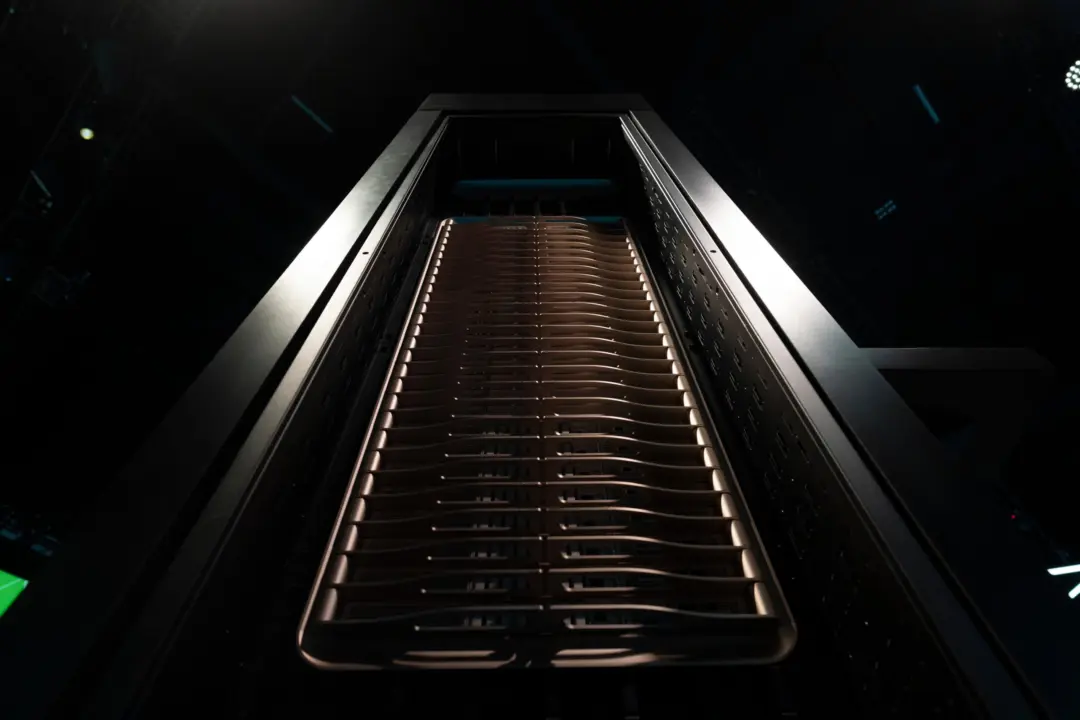
Rising power demands from AI hardware are pushing datacenters beyond what the electrical grid can supply. NVIDIA and Google are responding by adopting 800V high-voltage direct current (HVDC) infrastructure. The shift aims to reduce energy loss and free up rack space for more compute.
First shipments expected by Q3 2026
The new standard replaces legacy 48V and 54V DC systems. First shipments of 800V DC equipment are expected by Q3 2026, initially in small volumes. Delta Electronics is a key supplier, providing 2.4MW liquid-cooled 800V DC row-based power systems.
NVIDIA’s upcoming Rubin Ultra platform will peak at 450kW per rack. The next-generation Feynman architecture will require 600kW to 1MW per rack. These power levels make the move to higher voltage necessary.
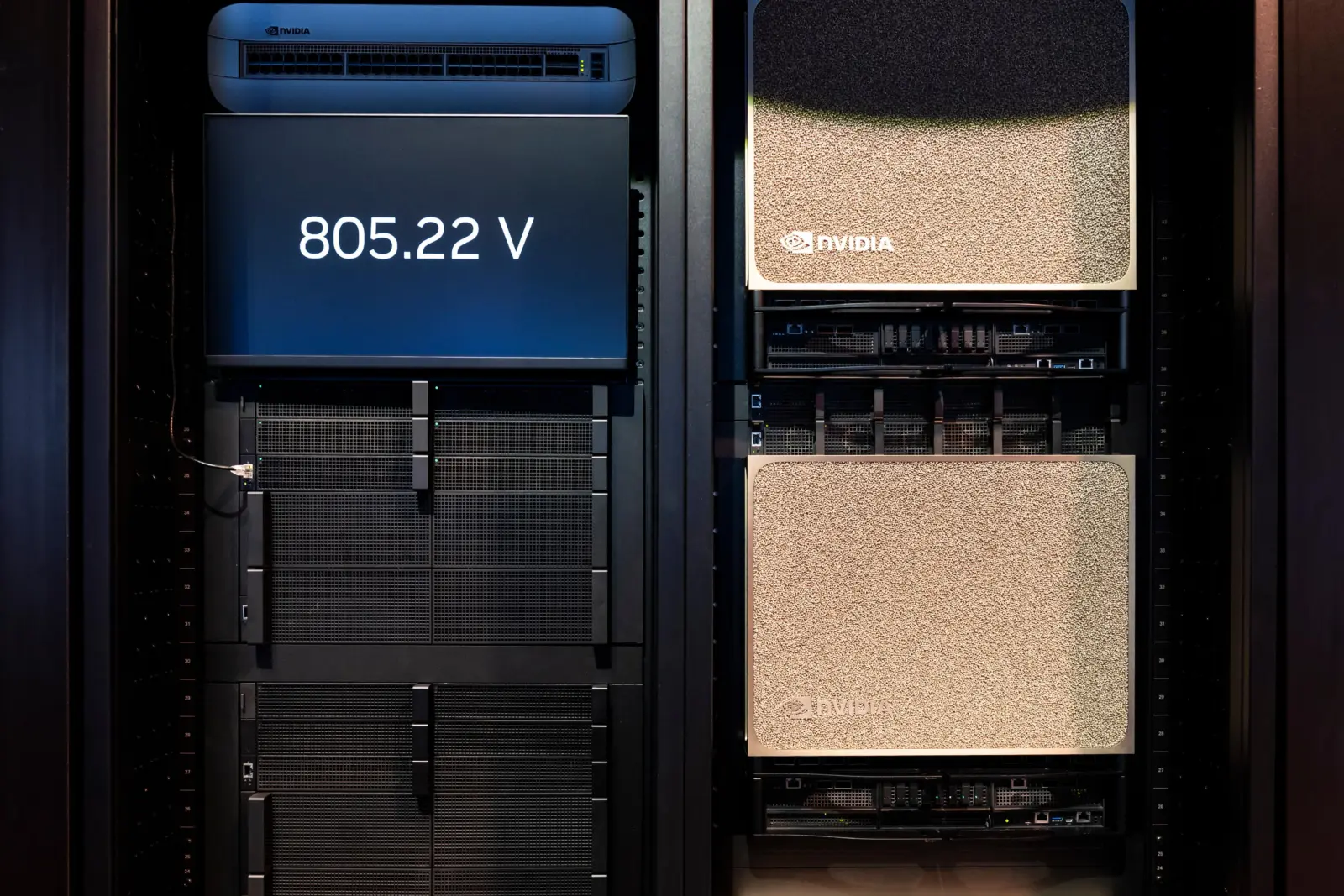
800V DC reduces power conversion steps, cutting energy loss. Lower current allows for thinner cabling and smaller power components, freeing up IT rack space. The architecture uses GaN and SiC semiconductors for efficient high-voltage switching.
The transition addresses a critical bottleneck as AI clusters grow. By moving to 800V, datacenters can deliver more power without overloading the grid. The change is expected to improve overall efficiency and scalability.
Discussion
0 comments
Log in to join the thread with a thoughtful take, question, or correction.