
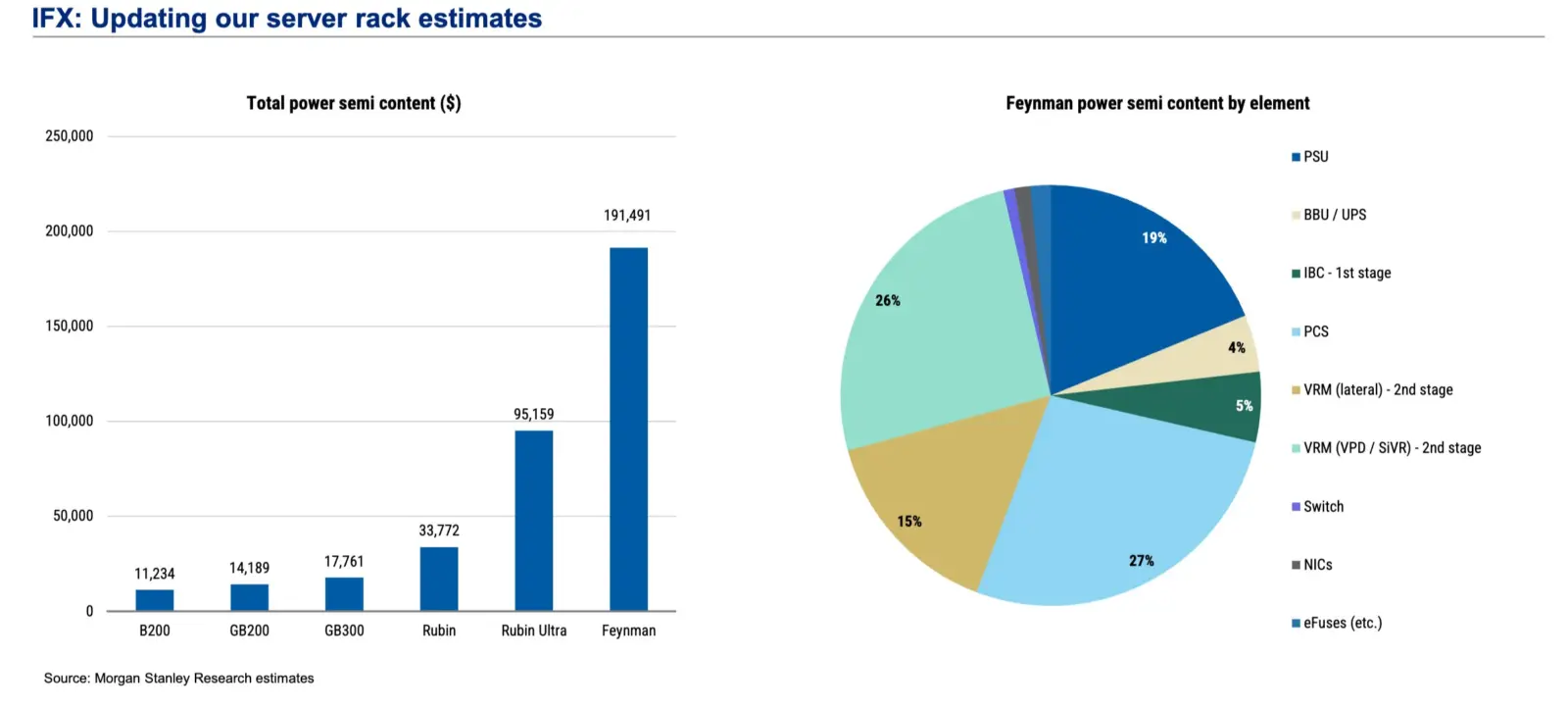
NVIDIA is preparing for a significant increase in power semiconductor costs for its upcoming Feynman architecture. Estimates suggest that a Feynman rack will require over 280 million KRW, which is approximately $191,000, in power semiconductor expenses. This figure represents a seventeen-fold increase compared to the costs associated with the current Blackwell generation.
The financial burden extends to other upcoming platforms as well. The standard Rubin rack is expected to exceed $33,000 in power semiconductor costs, marking a threefold rise over the Blackwell GB200. The Rubin Ultra variant will be even more expensive, with estimated costs reaching $95,000. These projections highlight a steep escalation in the hardware requirements for next-generation AI data centers.
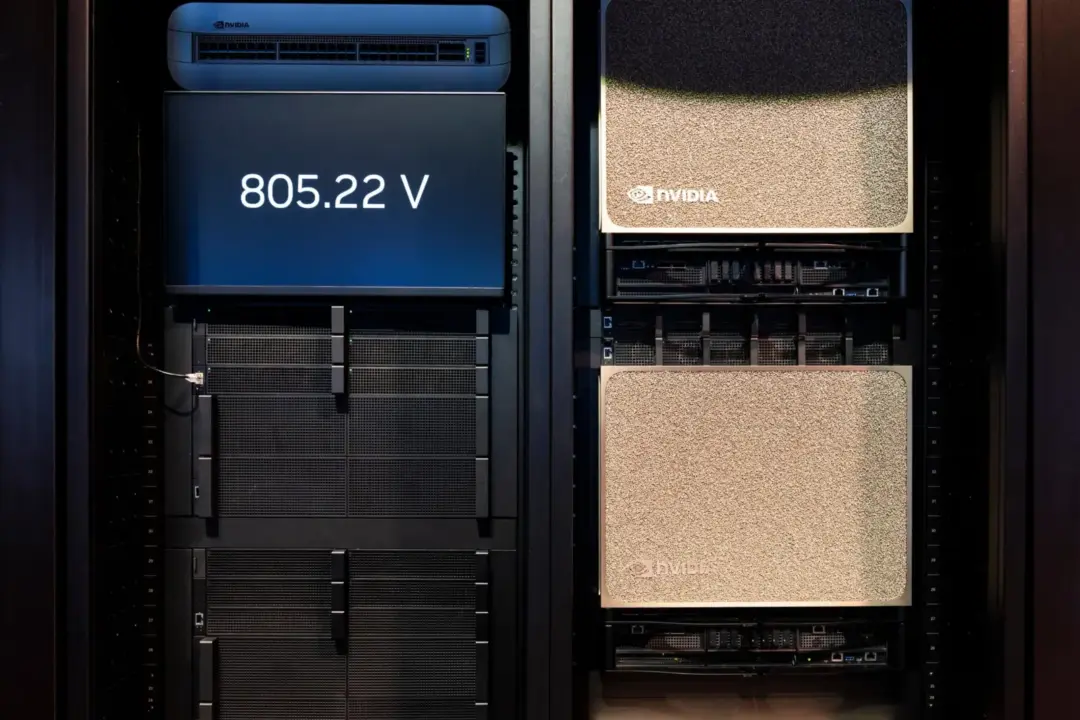
To manage these rising costs and improve efficiency, NVIDIA is shifting its power architecture. The company is moving away from the traditional 48V and 54V standards toward an 800VDC system. This higher voltage approach aims to reduce current, copper usage, and overall cable volume within the data center infrastructure. The 800VDC architecture is scheduled to debut in the NVIDIA Kyber Rack, which is expected to launch in 2027.
The Feynman platform itself is projected to arrive in 2028. The dramatic increase in power semiconductor costs underscores the intensifying financial demands of scaling AI infrastructure. While the architectural shift to 800VDC offers technical benefits, the associated hardware expenses are growing at a rate that far outpaces previous generations.



Discussion
0 comments
Log in to join the thread with a thoughtful take, question, or correction.