
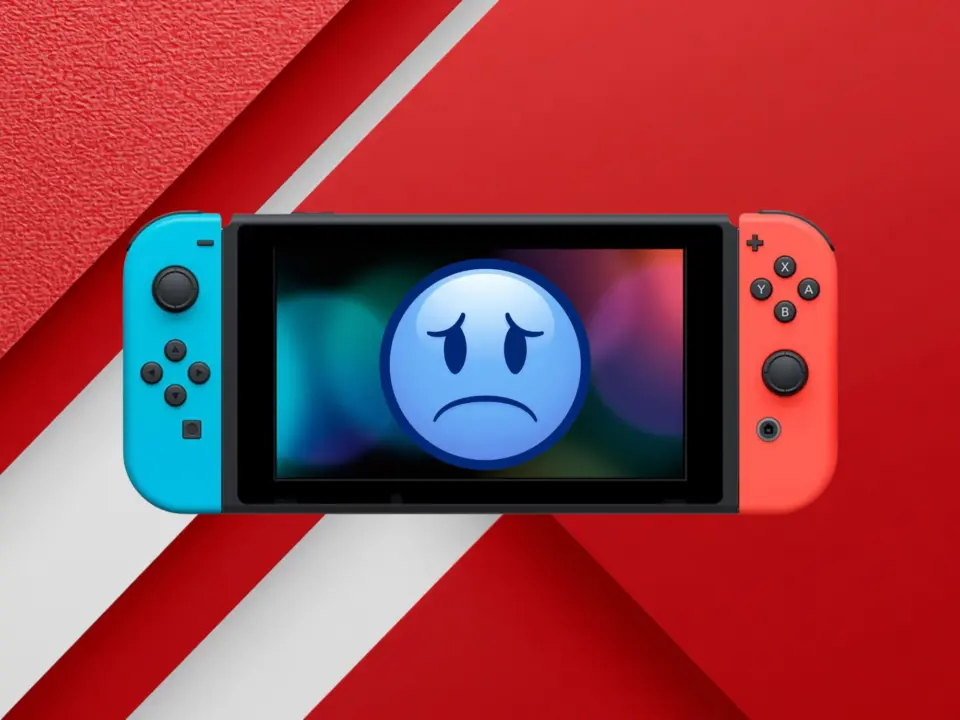
Nintendo plans to revise the Switch 2 console to meet new European Union right-to-repair regulations by February 18th, 2027. The company confirmed that systems using the internal code name BEE will receive OSM labels after these regulatory adjustments are completed. This labeling requirement applies specifically to future hardware revisions and does not affect the original Switch model.
Regulatory changes require new hardware markings for future console revisions in European markets
The current Switch lacks this new compliance marking, which has led to speculation about its continued availability in European markets. Nintendo CEO Shuntaro Furukawa previously stated that the existing console will remain supported for several years despite these regulatory changes. The company has not officially confirmed any plans to discontinue the original handheld in the EU.
A price increase for the Switch 2 is set to take effect in September 2026, raising the cost from 469.99 EUR to 499.99 EUR. This adjustment brings the retail price to approximately 578 USD based on current exchange rates. The higher pricing structure may drive consumer interest toward a more affordable alternative console.
Industry observers suggest that Nintendo could prioritize a lower-cost Switch 2 Lite model if regulatory pressures force the discontinuation of the standard handheld in Europe. This potential product would serve as a budget-friendly option for consumers who cannot absorb the increased price point. The concept remains unconfirmed and relies on external analysis rather than official statements.
Nintendo Patents Watch@Bluesky reported details regarding the BEE code and OSM labeling requirements tied to EU compliance efforts. The Gamer also covered the potential market shift toward a Switch 2 Lite variant amid regulatory uncertainty. These reports highlight the intersection of hardware design changes and regional legal frameworks.
Nintendo faces a clear path forward with the Switch 2 revisions scheduled for early 2027 and the price adjustment arriving in late 2026. The company maintains support for the original Switch while preparing new hardware that meets European standards. Consumers should expect updated labeling on future units and potential market shifts depending on official product announcements.


Discussion
0 comments
Log in to join the thread with a thoughtful take, question, or correction.