
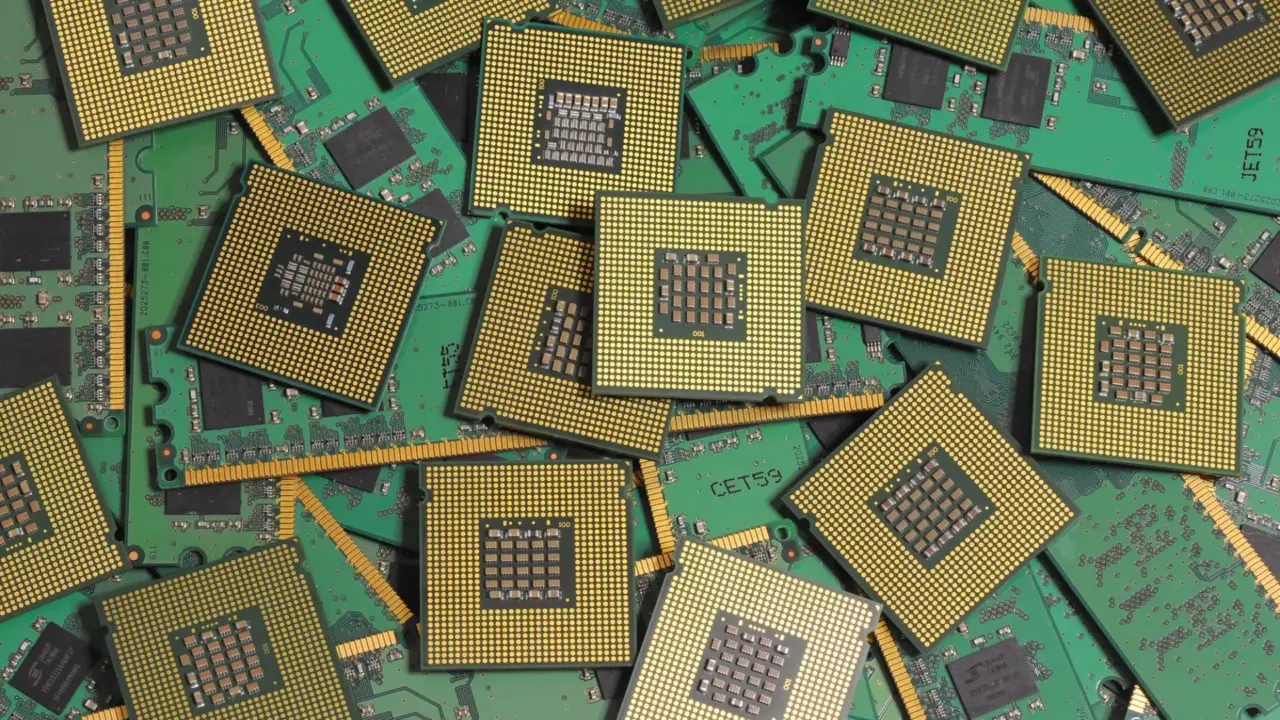
A new benchmark software for people to compare legacy cpus vs current ones is under development. This is a much needed tool as users have been unable to evaluate performance of hardware across different generations of hardware. Lack of such utilities make it difficult for buyers and enthusiasts to understand how legacy cpus compare with current generation hardware.
Developers build unified environment to normalize performance metrics across decades
This project aims to bridge the performance gaps between different generations of cpus from different decades. The focus here is on the confusion that comes up when users try to compare hardware from different generations. The ultimate goal of the project is to develop a uniform language with which to judge computational performance of hardware irrespective of the year of its manufacturing.
The work here is to build a common testing environment to evaluate central processing units. It will enable users to directly compare legacy hardware against the current hardware. This will make things easy for people who need to evaluate the relative gains in performance as the years go by.
The intention here is to build a unified environment to normalize the performance metrics for different generations of cpus. This will help users to remove the confusion that comes in the form of evaluating performance of different generations of cpus. The normalization will help to make things more clear about the true value of moving from legacy hardware to the new generation hardware.

I will believe in unified metrics when I see raw IPC data for the same instruction set across different microarchitectures.
Will this tool account for the massive overhead differences in operating system schedulers when comparing a vintage core to a modern Zen chip?
It needs to normalize for OS context switching latency or the numbers are useless for modern workloads that rely heavily on interrupt handling.