
MSI warns that memory and GPU shortages will persist through 2026, signaling continued supply constraints for PC builders and OEMs. The company attributes the bottleneck to DRAM availability issues that limit NVIDIA's ability to ship RTX 50 series GPUs in expected volumes.

Chairman Hsu Hsiang details DRAM constraints impacting NVIDIA RTX 50 production and AMD DDR5 pricing forecasts.
MSI Chairman Hsu Hsiang delivered these projections during recent market commentary, highlighting how component scarcity continues to reshape hardware roadmaps. The vendor identifies memory shortages as the primary driver affecting GPU production lines across multiple quarters.
GPU chip supply experienced a 30 percent reduction in Q1 due to DRAM constraints impacting NVIDIA's manufacturing output. Reports from internal sources indicate NVIDIA's RTX 50 GPU supply has been cut by 50 percent for the current quarter, though this figure lacks official confirmation.
DRAM makers provide only one month of forward supply visibility, which severely limits order flexibility for downstream manufacturers. AMD warns that DDR5 memory prices may not return to pre-AI levels until 2028 due to sustained artificial intelligence demand driving up component costs.
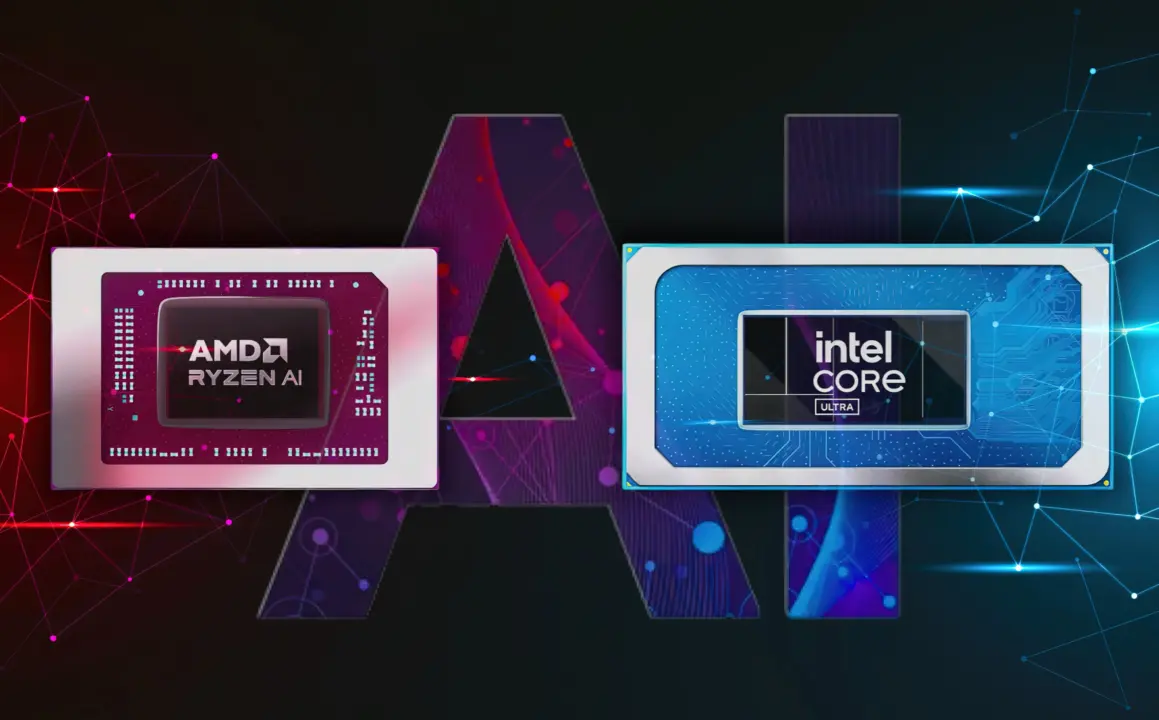
CPU supply conditions will improve over the next two quarters as AMD prioritizes PC shipments in Q2 and Intel follows with its own ramp-up in Q3. This divergence allows potential relief for processor availability even as memory and GPU constraints remain tight through early 2026.
The shortage landscape reflects broader industry shifts where AI infrastructure consumption competes directly with consumer hardware production lines. MSI Chairman Hsu Hsiang indicates that component allocations are being directed toward enterprise and data center markets rather than the consumer PC sector due to supply constraints.

Discussion
0 comments
Log in to join the thread with a thoughtful take, question, or correction.