
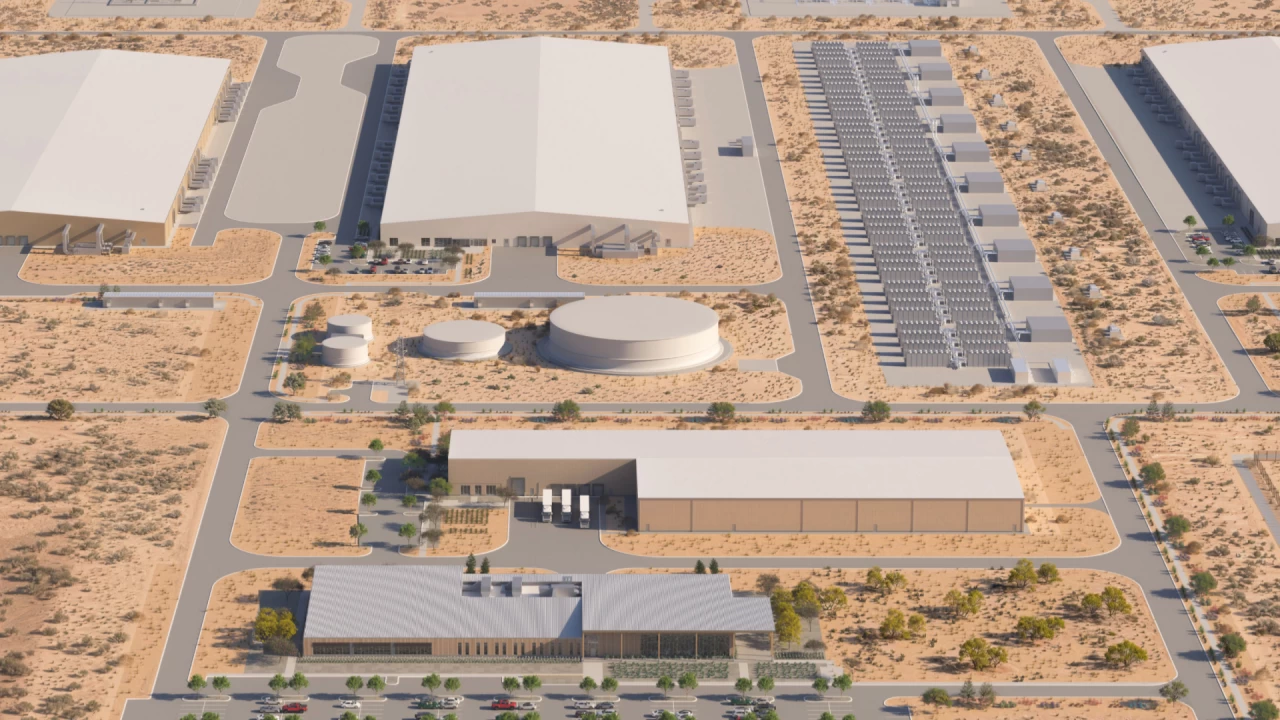
Hardware buyers and data center operators face a new option for cutting costs as Meta introduces Vistara, a custom chip designed to reuse old DDR4 memory in modern servers. This approach changes how large-scale computing infrastructure handles aging components, allowing facilities to extend the life of retired hardware instead of discarding it. The shift matters because it directly reduces the need to purchase fresh memory modules for new processor builds. Buyers in the hyperscale segment can now consider a path that lowers capital expenditure on memory while maintaining high performance.
Custom chip bridges retired DDR4 sticks to new processors via CXL
The core of this system is a custom ASIC developed by Meta to bridge older memory standards with newer processors. Unlike standard off-the-shelf CXL hardware that bundles memory with the controller, Vistara separates these functions to allow flexibility. This design lets Meta plug in any DDR4 sticks from retired servers into the new architecture. The chip connects to the system via a CXL 2.0 or 1.1 interface running over PCIe Gen5 x16 lanes. This technical choice ensures compatibility with current high-speed processor architectures without requiring proprietary memory modules.
Specifications
- Interface: CXL 2.0/1.1 over PCIe Gen5 x16
- Memory Configuration: 768GB DDR5 paired with 256GB recovered DDR4
- Technology Type: Custom ASIC
Meta pairs 768GB of fast DDR5 memory with 256GB of recovered DDR4 in its test configurations. The recovered DDR4 comes from retired servers, effectively recycling hardware that would otherwise become e-waste. The custom ASIC handles the translation between the old DDR4 and the new processor interface. This hybrid setup demonstrates that older memory can coexist with modern high-bandwidth standards. The separation of the controller from the memory sticks is the key innovation that makes this recycling possible.
Meta plans to deploy this architecture across its hyperscale infrastructure, which includes millions of servers. The company states that this move will make its AI datacenters more efficient by reducing hardware waste. Details of the technology were presented at the ISCA symposium and reported by The Register. The goal is to lower the overall cost of ownership for large-scale AI training and inference workloads. This efficiency gain comes from extending the usable life of existing memory assets rather than buying new ones.
Meta developed Vistara to solve the problem of expensive memory upgrades in large data centers. The custom ASIC allows the reuse of DDR4 RAM from retired servers in new builds. This method bypasses the limitations of standard CXL hardware by separating the controller from the memory. The architecture aims to improve efficiency and reduce costs in Meta's AI infrastructure. The technology represents a practical step toward more sustainable data center operations.
Discussion
0 comments
Log in to join the thread with a thoughtful take, question, or correction.