
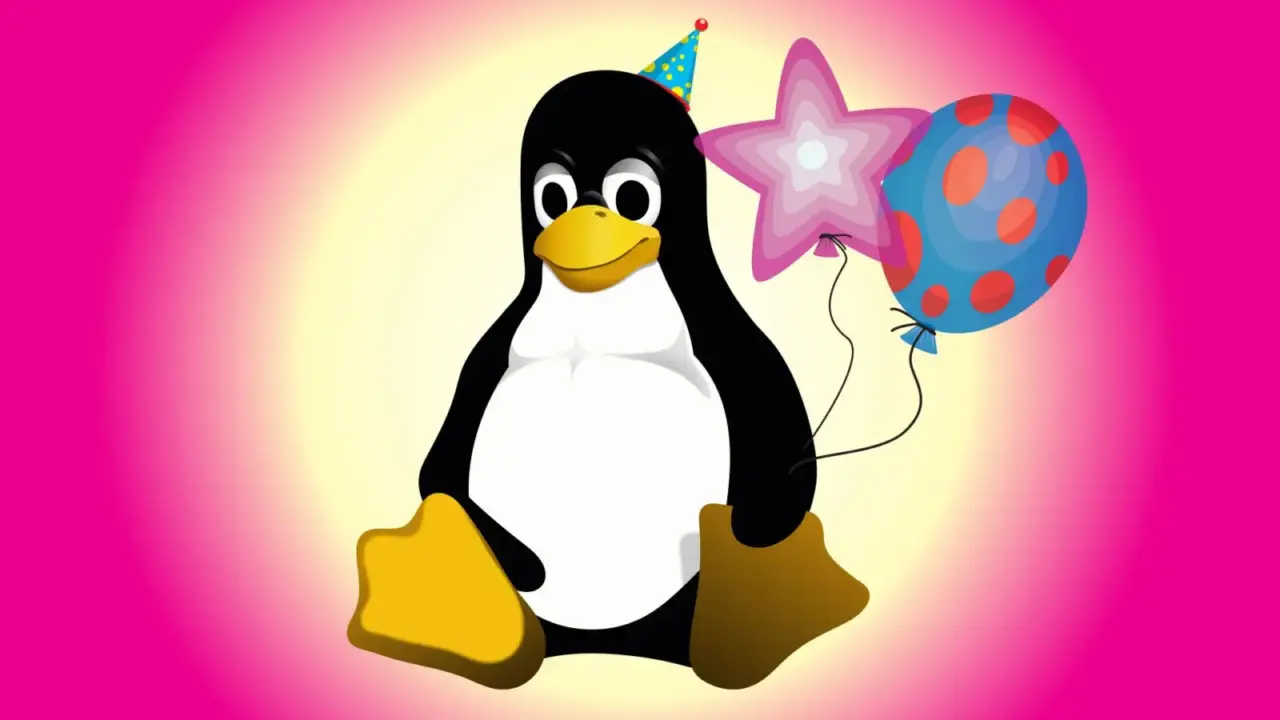
Linux creator Linus Torvalds outlined the design specifications for the Tux mascot on May 9, 1996. The concept emerged as an alternative to a world map logo for the operating system. Torvalds proposed a penguin to represent the software as cute, cuddly, and contented. This decision established the visual identity that would accompany the Linux kernel for decades.
Torvalds described the mascot as a slightly overweight penguin with a contented demeanor and minimal detail
Torvalds described the mascot as a slightly overweight penguin with a contented demeanor. He specified that the art style should be highly stylized with minimal detail. The design relied on a simple black brush-type outline rather than complex imagery. The pose depicted the penguin sitting down after gorging itself and having just burped.

Torvalds explained the meaning of contentment in penguins to mailing list subscribers. He stated that a cuddly penguin is either recently mated or stuffed on herring. He claimed expertise on the subject, noting those were the only two options for such behavior. This humorous context defined the specific posture and expression of the character.
The Linux mascot has remained a consistent symbol since its initial conceptualization. The design choices reflected a desire for a friendly and approachable brand image. The simple outline and specific pose created a distinctive and memorable icon. This visual identity continues to represent the open-source operating system today.

Discussion
0 comments
Log in to join the thread with a thoughtful take, question, or correction.