
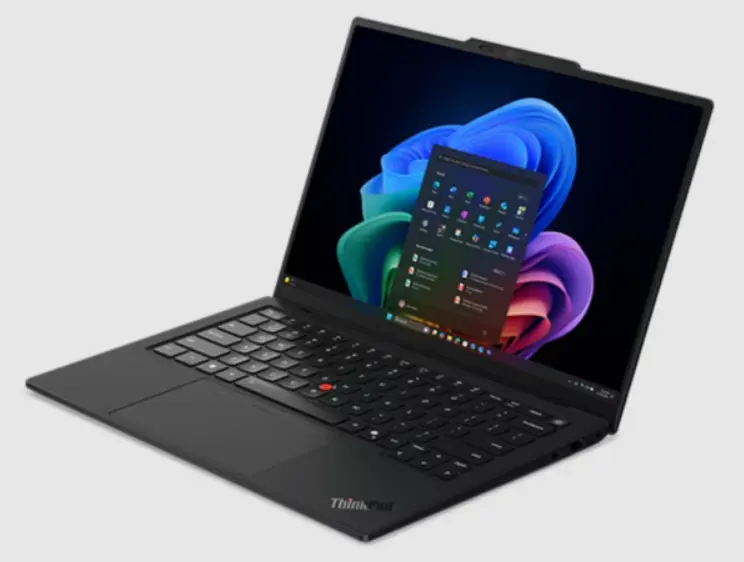
Lenovo is preparing to ship laptops with a new battery technology that extends runtime and cuts charging time. This shift matters because higher energy density allows manufacturers to build thinner devices without sacrificing power. Users relying on portable AI workloads will see local inference become more practical as cloud dependency drops.
New silicon anode tech raises energy density to 1000Wh/L
The core innovation is the ED 1000 battery, which Lenovo co-developed with Shanghai Jiao Tong University. The unit achieves an energy density of 1000Wh/L by replacing traditional graphite with silicon in the negative electrode. Silicon offers a theoretical capacity more than ten times that of graphite, enabling this significant jump in storage.
ED 1000 Battery Specifications
- Energy Density: 1000Wh/L
- Capacity Improvement: 10% higher than existing graphite batteries
- Negative Electrode Material: Silicon
- Theoretical Capacity Ratio: 10x that of graphite
This new silicon-based design delivers a 10% capacity increase compared to existing graphite batteries. Lenovo plans to launch the first laptops using this technology next year, making the company the global pioneer in this adoption. The higher density supports lighter chassis designs while maintaining robust performance for demanding tasks.
Mass production remains the primary hurdle, as silicon expands up to three times in volume during charging cycles. Lenovo must solve durability and safety issues related to this expansion before the technology can scale. The company aims to become the first PC manufacturer to successfully implement this silicon negative electrode solution.
Discussion
0 comments
Log in to join the thread with a thoughtful take, question, or correction.