
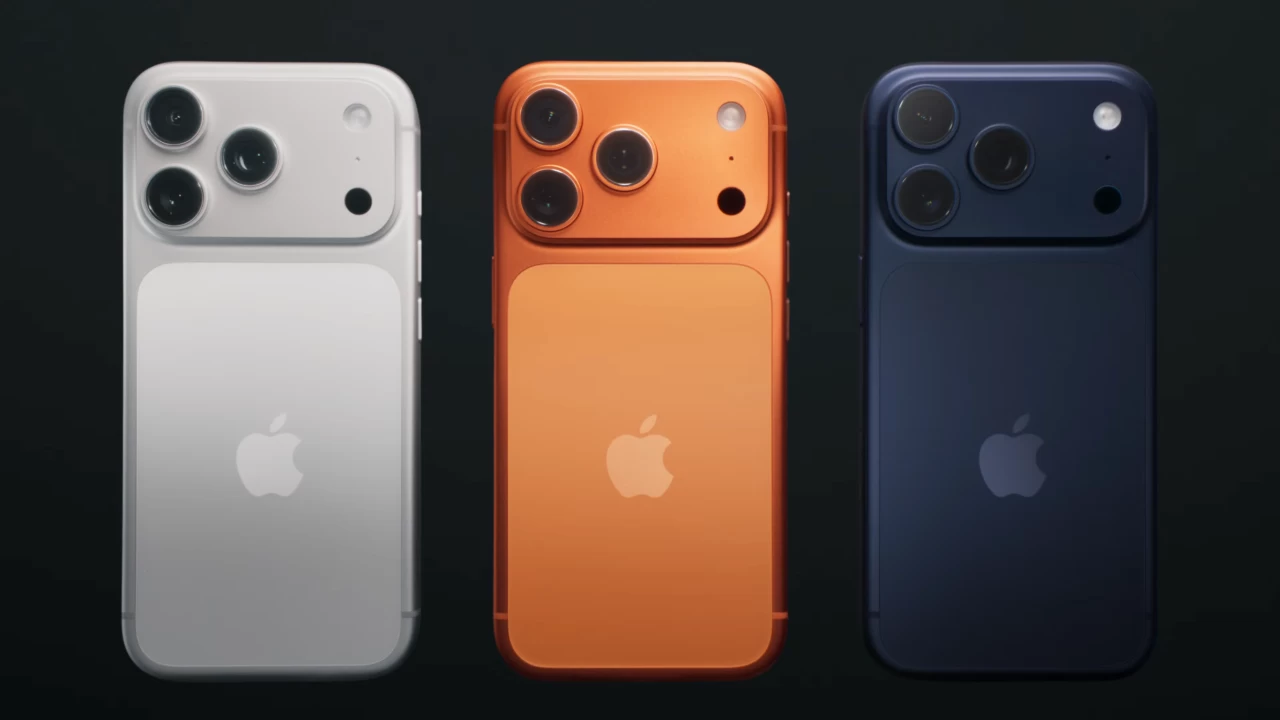
Apple is preparing for a significant increase in the cost of its upcoming iPhone 18 Pro, driven by rising component prices and confirmed supply constraints. CEO Tim Cook recently acknowledged that memory shortages will likely force the company to raise prices for consumers this fall. This shift marks a departure from recent pricing stability and signals a tougher hardware market for flagship smartphones.
TechInsights estimates production costs jump to $726, raising base price to $1,299
The iPhone 18 Pro will feature a substantial upgrade to its internal memory, moving to a base configuration of 12GB of DRAM and 256GB of internal storage. Apple is also expected to introduce a variable-aperture lens to the camera system, a feature that adds complexity to the device's hardware design. These specifications position the phone as a high-end device with enhanced capabilities for power users.
Specifications
- DRAM: 12GB
- Internal Storage: 256GB
- Camera System: Variable-aperture lens
Component cost analysis from TechInsights highlights the financial pressure behind the potential price hike. The firm estimates that production costs for the iPhone 18 Pro could jump from $582 to $726. A major driver of this increase is the cost of DRAM, which could rise from $39 to $145 for the 12GB modules. Flash storage costs are also projected to climb from $13 to $51 for the 256GB capacity.
To maintain its historical profit margins, Apple may need to pass these increased costs directly to customers. TechInsights assumes Apple will aim to preserve the roughly 47% profit margin it currently enjoys with the iPhone 17 Pro. Under this model, the base model price could settle at $1,299. If the variable-aperture lens adds further expense, the final price could rise to at least $1,399.
The current iPhone 17 Pro starts at $1,099, making the proposed iPhone 18 Pro prices a notable step up for consumers. These estimates rely on specific assumptions about Apple's profit targets and current market rates for memory chips. The final retail price will depend on how Apple balances its margin goals against competitive pressures in the smartphone market.

Discussion
0 comments
Log in to join the thread with a thoughtful take, question, or correction.