
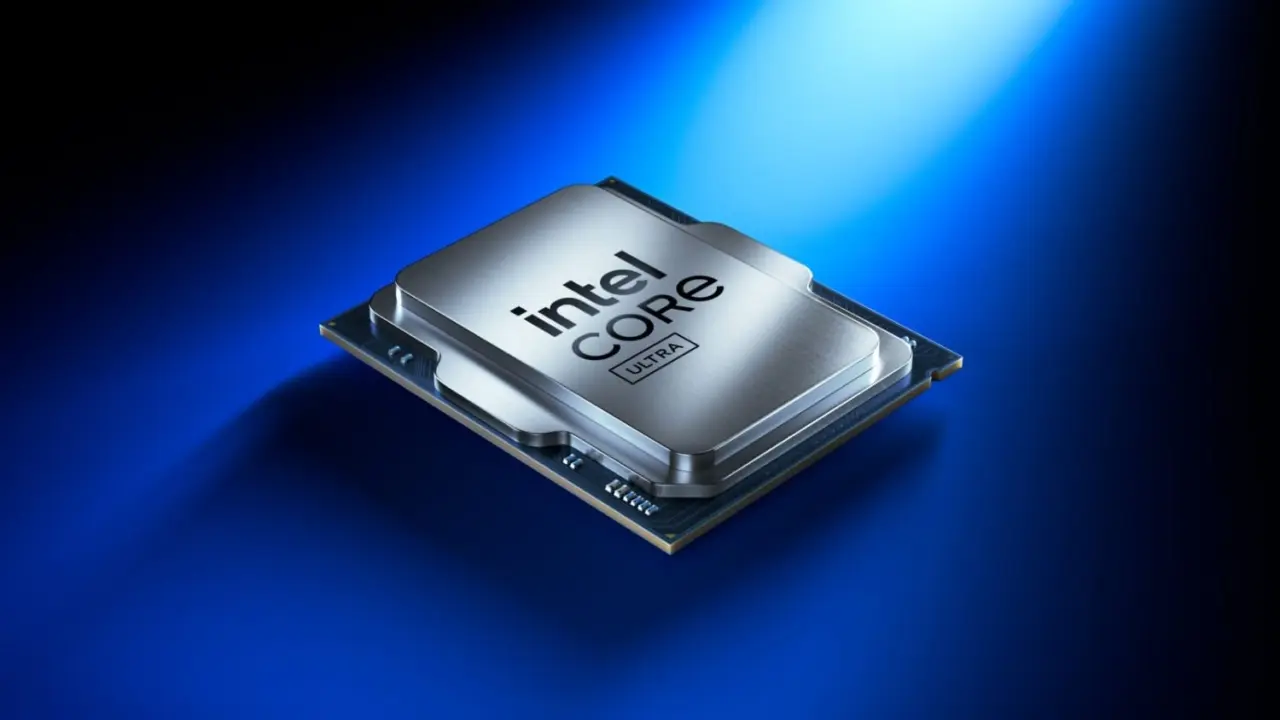
Intel is reportedly planning a major architectural shift for its upcoming processors, moving away from the traditional hybrid design that separates performance and efficiency cores.
Industry analysis suggests Intel is abandoning hybrid P-core and E-core designs for unified cores starting with Titan Lake.
The company intends to adopt a unified core strategy starting with its Titan Lake and Hammer Lake platforms.
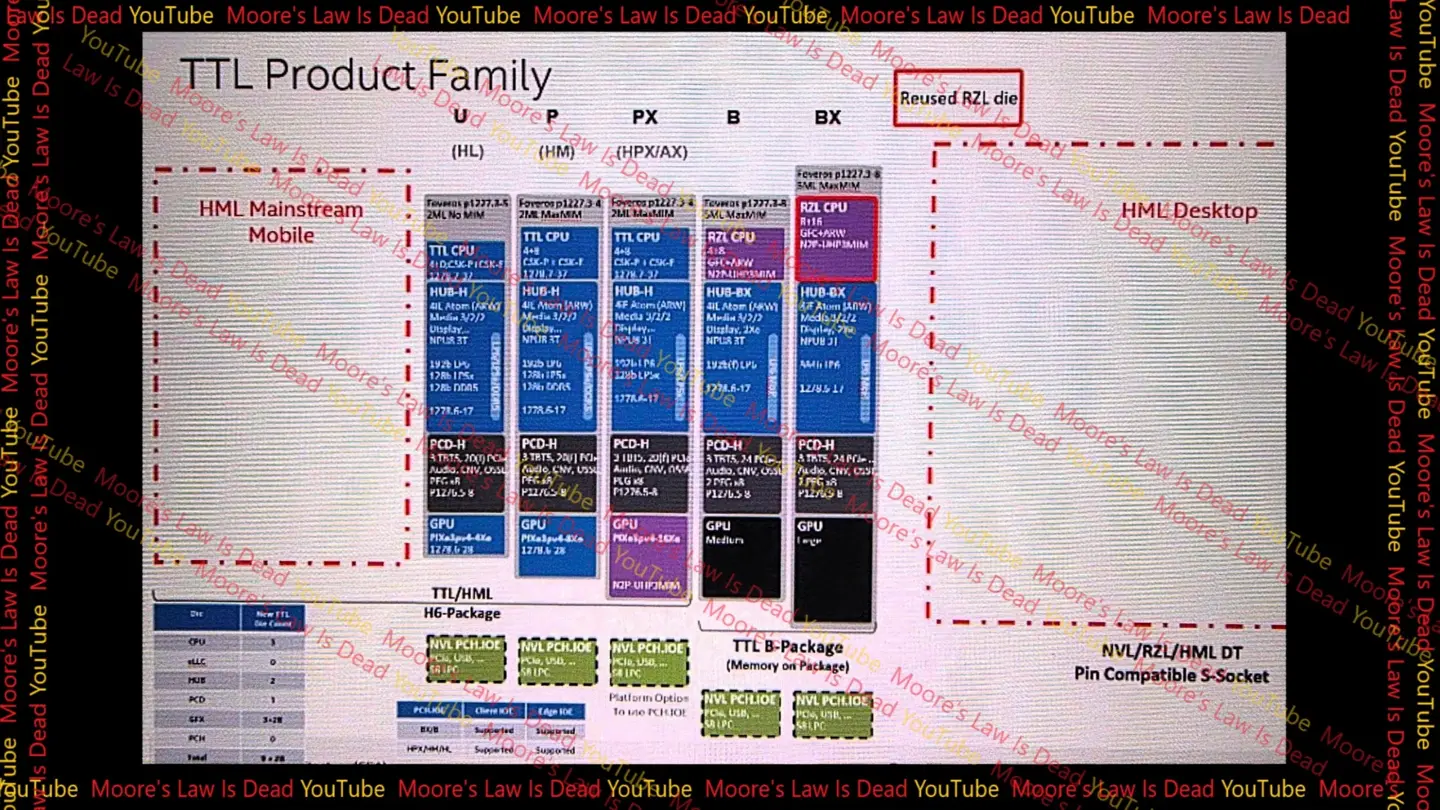
This change marks a significant departure from current Intel CPU designs and could affect both desktop and server markets.
According to industry analysis, hyperthreading is also expected to return on consumer chips after being absent for several generations.
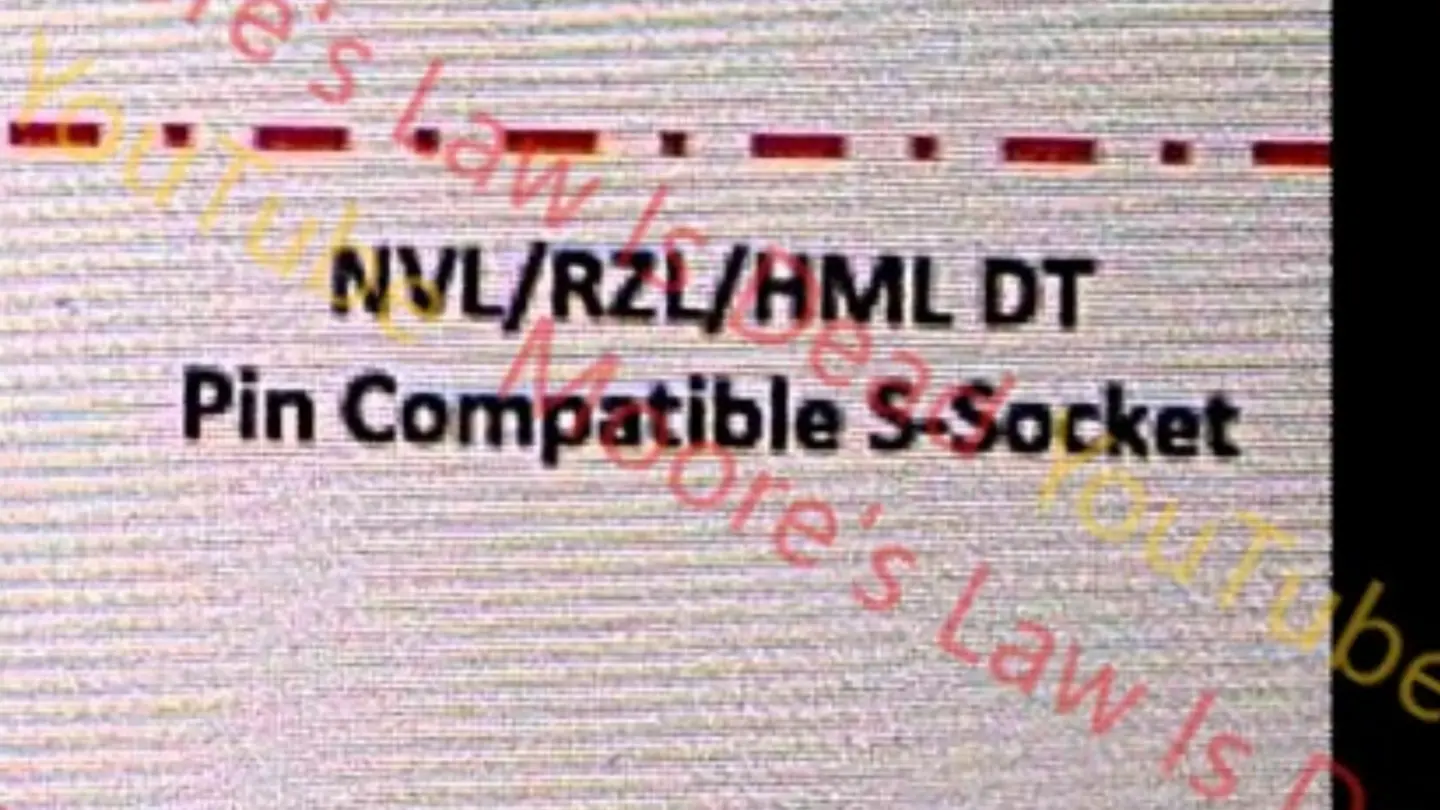
Intel's Xeon Coral Rapids servers may introduce the technology first in late 2028 before it reaches Hammer Lake desktop and mobile processors.
The Nova Lake-AX series might undergo a name change to Razor Lake-AX, with a projected launch around 2027.
Titan Lake will utilize unified Copper Shark cores and support LPDDR6 or DDR5 memory modules.
Some Titan Lake variants could incorporate NVIDIA GPU chiplets through a Memory on Package design to enhance graphics capabilities.
Hammer Lake is rumored to feature second-generation Thunder Hawk unified cores alongside the return of hyperthreading.
High-core-count desktop options may emerge within this lineup, though specific configurations remain tentative and subject to change.
The development roadmap for Hammer Lake has reportedly undergone multiple revisions in recent months.
Industry observers note that Intel has not officially confirmed any of these architectural changes or release timelines.
Vendor representatives have declined to comment on the rumored specifications or strategic direction for these upcoming processor families.

Discussion
0 comments
Log in to join the thread with a thoughtful take, question, or correction.