
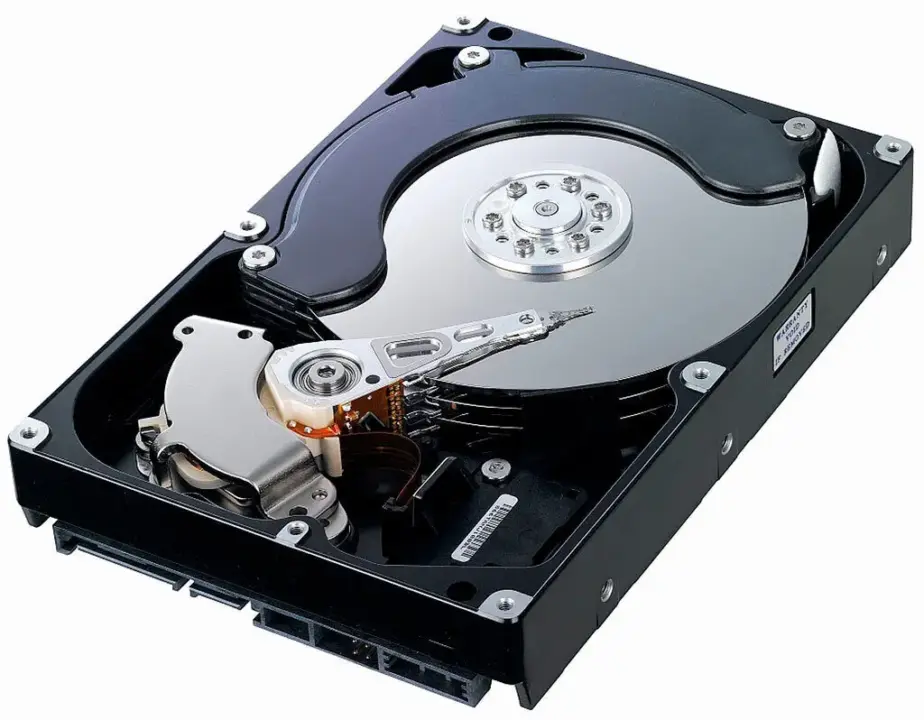
Major storage manufacturers including Seagate, Sandisk, and Western Digital are facing severe supply constraints that have fundamentally altered market dynamics. Customers are currently signing long-term supply contracts lasting up to five years to secure their storage needs. This shift toward extended agreements reflects the intense competition for available inventory in a tightening market.
The primary driver of this demand is the rapid expansion of artificial intelligence data centers. These facilities require exabyte-scale storage capacity to support their operations. Consequently, manufacturers are operating at near maximum capacity to meet the escalating requirements of the cloud computing sector. This industrial demand has significantly reduced the supply available for other market segments.
Price volatility has become a defining characteristic of the current storage landscape. Hard disk drive prices surged by an average of 46 percent following mid-September. NAND flash memory prices experienced an even more dramatic increase, rising by 500 percent in a short period. These cost increases place significant pressure on downstream buyers and system integrators.
PC gamers and consumer buyers face considerable difficulties in securing inventory for new gaming PCs. Cloud providers and data center operators are outbidding individual consumers for available hardware. This competition limits the availability of storage components for the personal computing market and drives up retail costs for end users.

Discussion
0 comments
Log in to join the thread with a thoughtful take, question, or correction.