
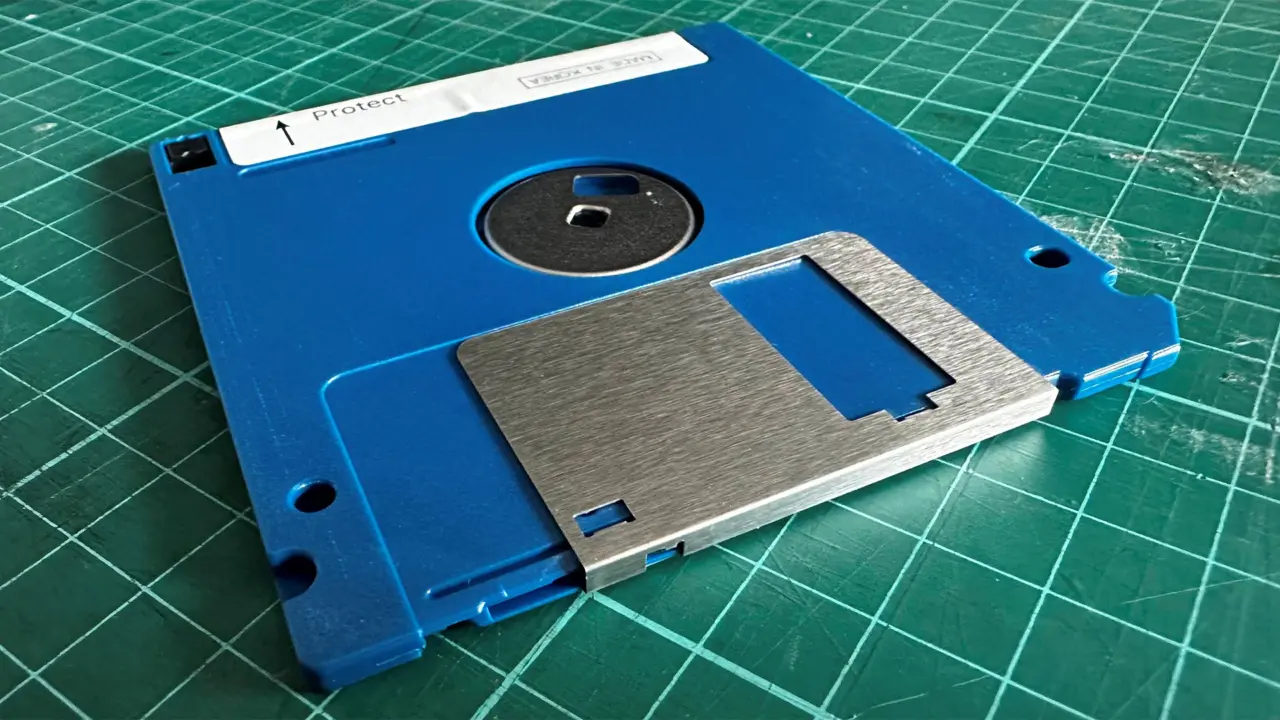
Retro computing enthusiasts face a new option for running modern-style interfaces on vintage hardware. Mean Hamster has introduced HamsterOS, a 32-bit graphical operating system designed specifically for 386 and 486 era personal computers. This release matters to collectors and hobbyists who want to use legacy machines for daily tasks without relying on outdated text-based environments. The project targets users who value simplicity and compatibility over raw processing power.
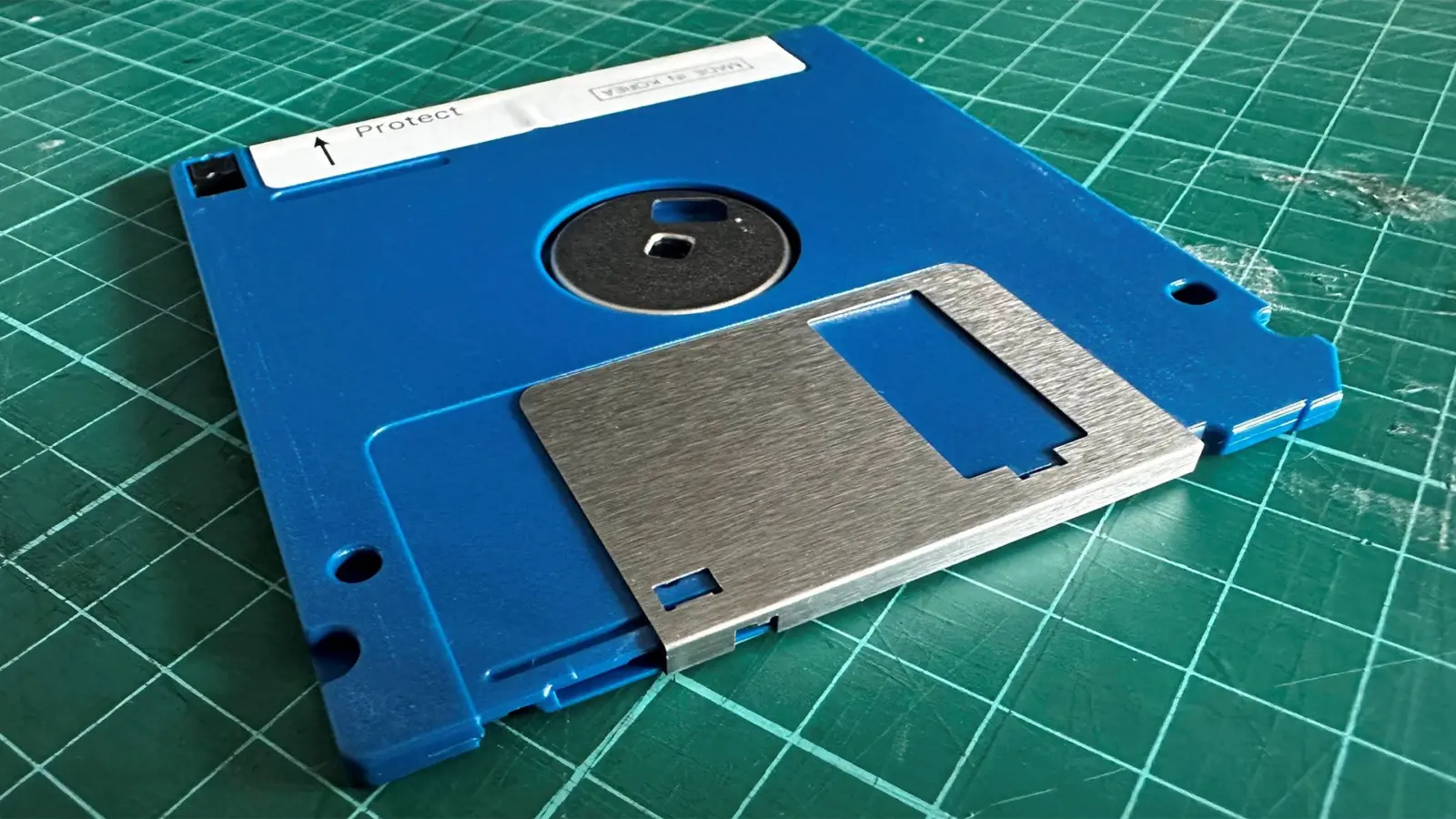
Mean Hamster releases a compact 1.44 MB operating system for vintage hardware
The operating system is built as a single 1.44 MB floppy disk image. This compact size allows it to run on machines with minimal storage and memory resources. Mean Hamster describes the software as a complete product rather than a mere prototype. The developer stated that HamsterOS is well past the 'can it boot' stage, indicating a functional and stable release.
HamsterOS utilizes a cooperative multitasking architecture to manage system resources. This design choice aims to improve responsiveness on slow hard drives and reduce RAM consumption. The OS includes an in-kernel VM86 DOS box for legacy application support. It also provides a FreeDOS fallback option to ensure broader compatibility with older software.
Hardware support focuses on standard components from the 1990s. The system requires a Sound Blaster 16 sound card for audio output. It supports ATA IDE drives, CD-ROM drives, and ISA floppy disk controllers. Users can interact with the interface using serial or PS/2 mice, including those with scroll wheels. The default display mode is 16-color VGA, though a 256-color diagnostic option is available.
The operating system will be available globally starting in November. The project appears to be a commercial and closed-source product based on current descriptions. HamsterOS includes an I/O stall detection feature that triggers if the system freezes for more than 8 seconds. This safeguard helps prevent total system hangs during operation. The release offers a practical way to extend the life of older PCs for specific retro computing needs.


Discussion
0 comments
Log in to join the thread with a thoughtful take, question, or correction.