
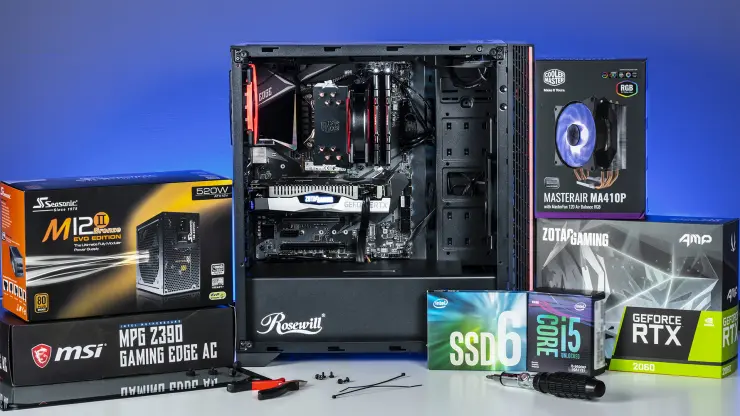
The global PC market is experiencing a severe downturn driven by stagnating graphics card performance and supply constraints for central processing units. Major hardware manufacturers are responding to collapsing demand by raising retail prices or reducing product specifications. This shift reflects a broader industry contraction that is impacting component suppliers and system integrators alike.
Memory costs now exceed 30 percent of total PC bill of materials
Memory costs have surged dramatically, now accounting for more than 30 percent of the total bill of materials for a PC. This increase from previous levels of around 15 percent is squeezing manufacturer margins. AMD CEO Lisa Su has publicly warned that these rising component costs are actively pressuring the shipment volumes of Ryzen CPUs.
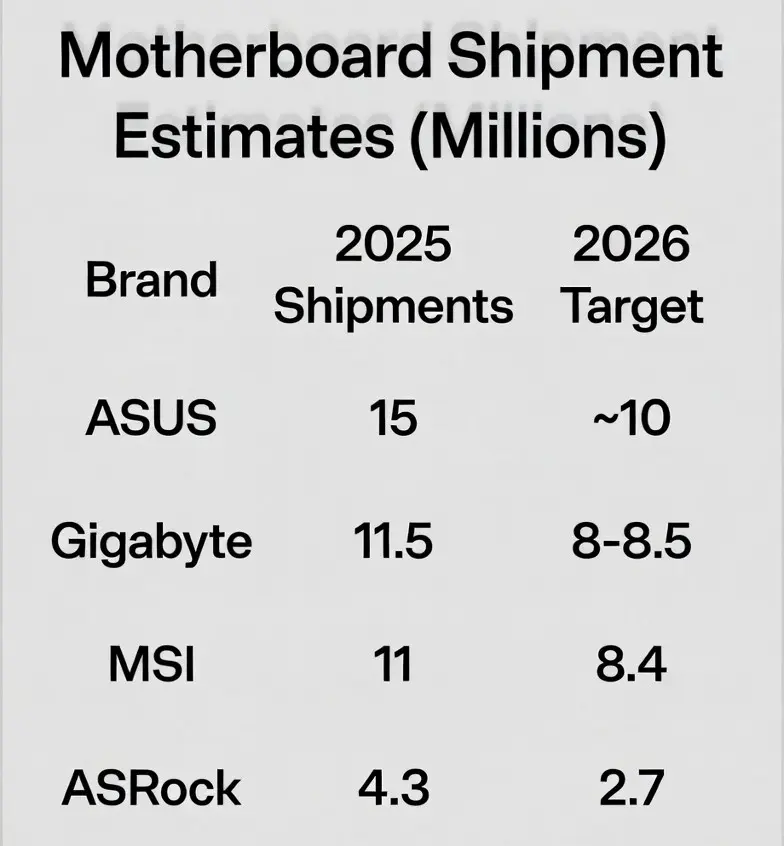
Taiwan's top four motherboard manufacturers have significantly lowered their shipment targets for 2026. ASUS aims to defend annual sales of 10 million units for the first time. MSI and Gigabyte expect to reduce their shipment targets by 25 percent. ASRock anticipates a reduction of over 30 percent in its projected shipments.
Consumer upgrade cycles are slowing down, particularly among high-end gamers. NVIDIA has noted that GPU upgrade cycles have lengthened, which reduces demand for its latest hardware. AMD CEO Lisa Su predicts that PC and gaming market demand will noticeably decline starting in the second half of 2026.
The industry is currently navigating a period where hardware innovation has not matched consumer willingness to spend. The combination of high memory costs and stagnant GPU performance has created a challenging environment for vendors. Manufacturers are adjusting their production and sales strategies to align with this reduced market activity.
Discussion
0 comments
Log in to join the thread with a thoughtful take, question, or correction.