
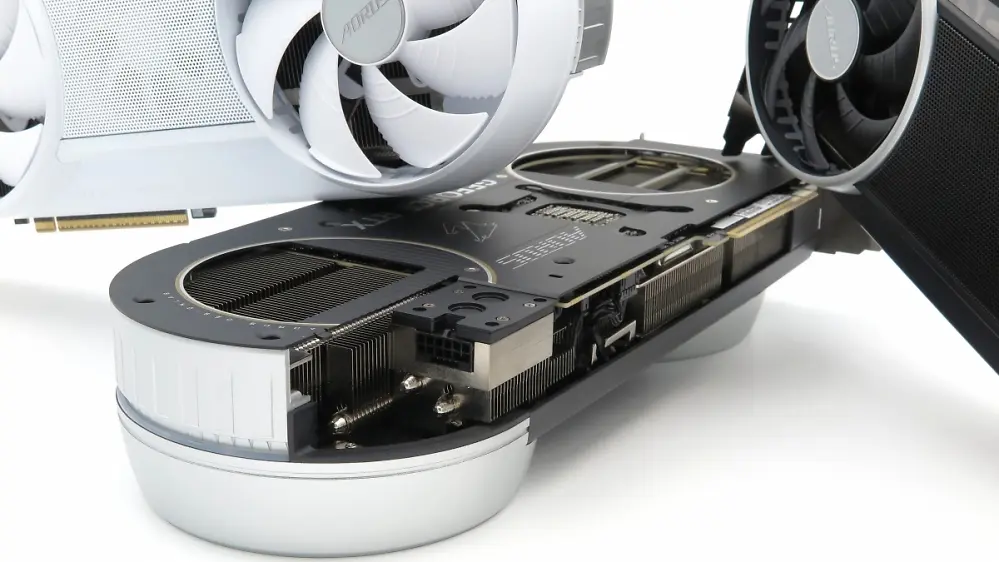
Gigabyte has introduced a new cooling design for the 16-pin power connectors on its RTX 5080, RTX 5070 Ti, and RTX 5070 graphics cards. This engineering change directly addresses the overheating risks that have plagued early 12V-2×6 connector implementations. Buyers relying on these high-performance GPUs can now expect improved thermal stability at the power input interface. The solution targets a specific failure point that affects system reliability during heavy gaming loads.
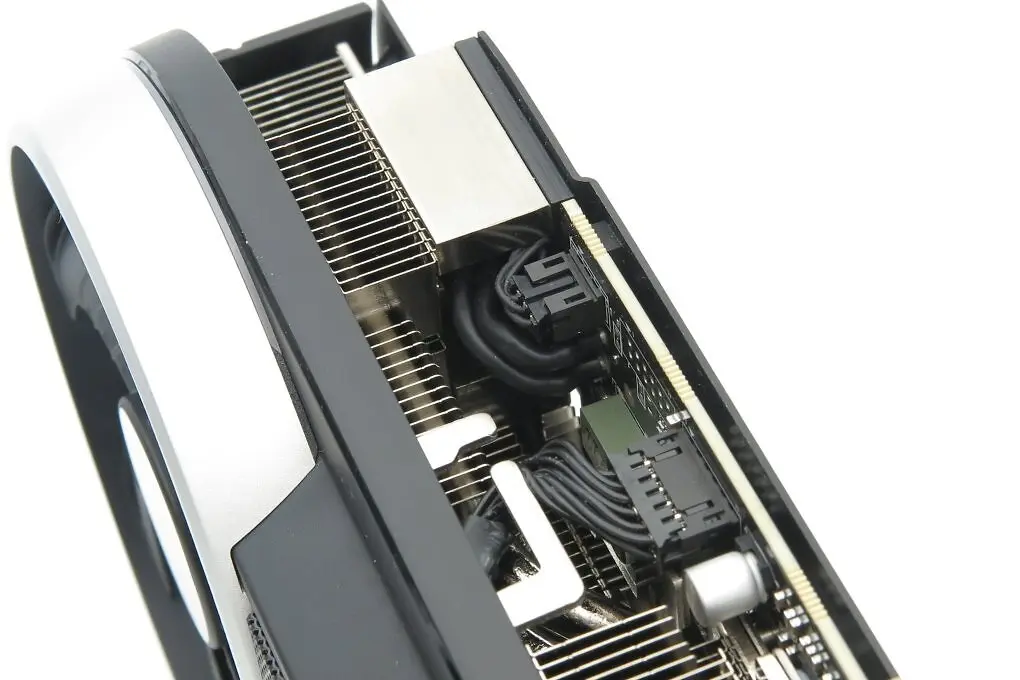
Gigabyte adds active cooling to power connectors on RTX 5080, 5070 Ti, and 5070 graphics cards to mitigate overheating risks.
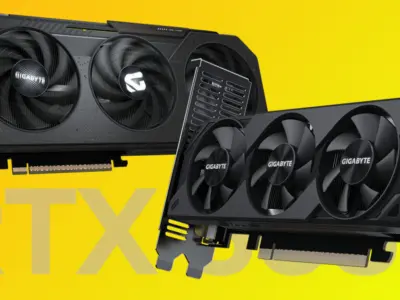
The vendor implemented this fix by mounting the power connector vertically on the card's backplate. This configuration separates the connector from the main printed circuit board (PCB) to reduce heat transfer from the GPU core. Gigabyte uses cables to connect the connector to the board, allowing the interface to sit away from the hottest components. This physical separation is a key part of the thermal management strategy for the RTX 50 series.
- Cooling Solution for 16-pin Power Connector: Solid milled metal heat sink connected to fins, actively cooled by fan airflow
- Power Cable Configuration (RTX 5080/5070 Ti): 6 cables
- Power Cable Configuration (RTX 5070): 4 cables
- Connector Mounting: Vertical mounting on backplate via cables, separated from PCB
The cooling mechanism relies on a solid milled metal heat sink that wraps around the plastic socket of the power interface. This metal block is connected to a series of fins that actively dissipate heat. A fan directs airflow over these fins to cool the connector assembly during operation. Gigabyte specifies that RTX 5080 and RTX 5070 Ti models use six power cables to handle the electrical load, while the RTX 5070 uses four cables.
Notably, the RTX 5090 Infinity model does not use this active cooling solution for its power connector. This omission is puzzling given that the RTX 5090 has a significantly higher power draw of nearly 600 watts. The design choice suggests a divergence in thermal strategies between the flagship and mid-range cards in the series. We looked at the last RTX 5080, RTX 5070 Ti, RTX 5070 update, where several of the same balance and stability themes came up.
Gigabyte's approach confirms that active cooling is a viable method for mitigating connector overheating in high-power GPUs. The design is currently confirmed for the RTX 5080, RTX 5070 Ti, and RTX 5070 models. The lack of this feature on the RTX 5090 remains an unexplained aspect of the product lineup.
Discussion
0 comments
Log in to join the thread with a thoughtful take, question, or correction.