
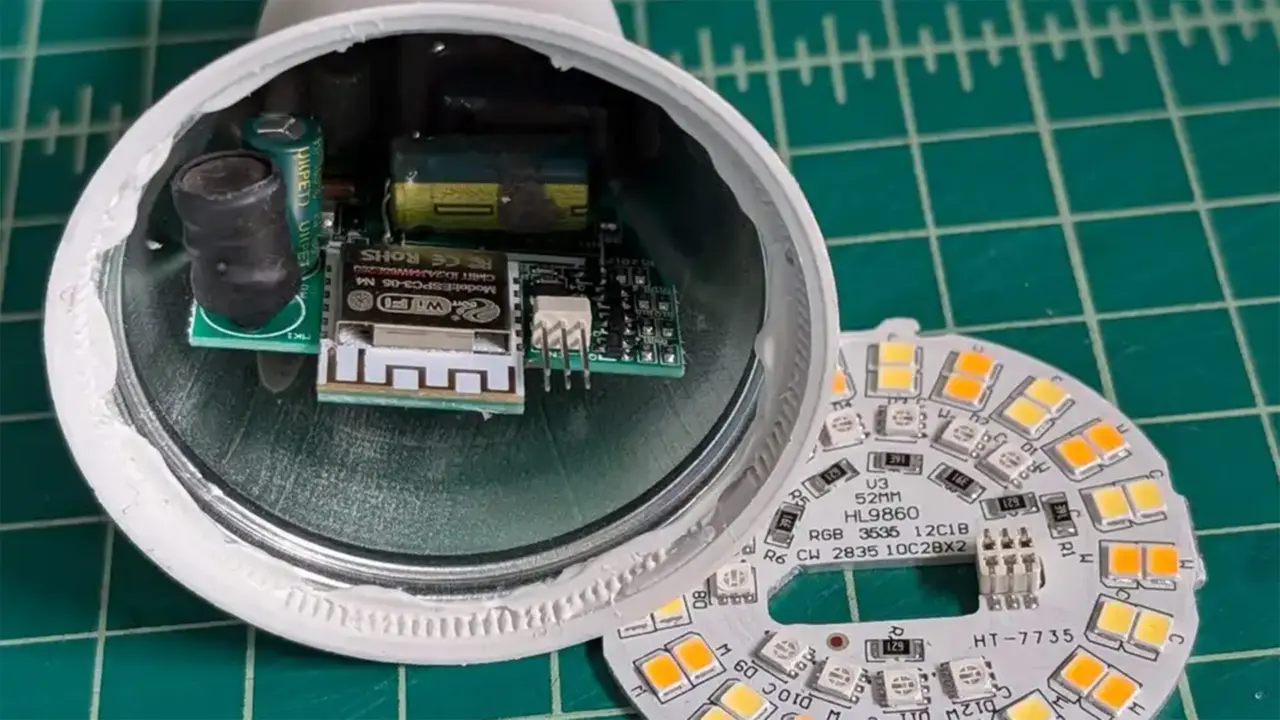
Security researcher Rick Osgood has repurposed a standard ESP32C3 smart lightbulb into an offline digital library called the Banned Book Library. This project allows users to access digital books through a local Wi-Fi network without requiring cloud services or user credentials. The device functions as a standalone server, offering a practical way to share literature in environments where internet access is restricted or monitored. It provides a tangible method for preserving and distributing text content through simple hardware modifications.
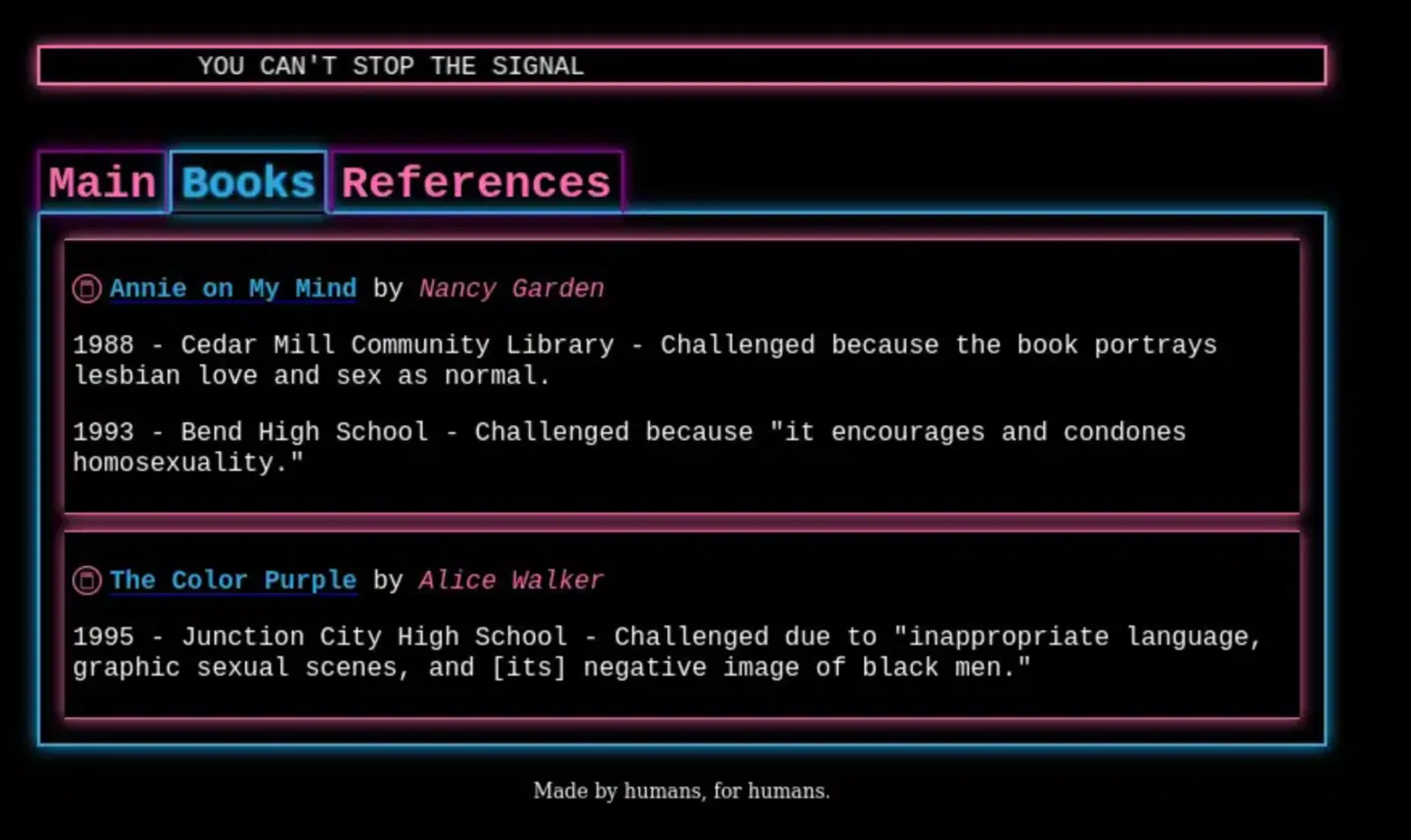
Security researcher repurposes smart bulb for offline text distribution
The core of the project relies on the ESP32C3 microcontroller, which is commonly found in budget smart home devices. Osgood, who describes himself as interested in information security and open-source software, built the system to create what he calls a cyberpunk digital dead drop. The lightbulb broadcasts an open Wi-Fi access point and hosts a local web server that serves the stored books. Users connect their devices to this network to browse and download content directly from the bulb.
Specifications
- Microcontroller: ESP32C3
- Storage Capacity: 4MB total
- Available Book Storage: ~2MB
- Connectivity: Open Wi-Fi Access Point
- Firmware: Custom ESP32 firmware with Tasmota
Storage capacity is the primary constraint for this device, as the ESP32C3 module includes only 4MB of total onboard memory. The system uses a LittleFS library partition, which leaves approximately 2MB available for storing book files. This limited space requires careful management of content, likely involving text compression to maximize the number of titles that can fit on the chip. The firmware runs a custom version of Tasmota, allowing for over-the-air updates to the software and potentially the stored content.
The project is open-source, with the code available on Codeberg for others to replicate or modify. Osgood warns that flashing the device carries a risk of bricking the hardware, and users should be aware of potential legal restrictions when traveling internationally with the device. The system requires no internet connection to function, relying entirely on the local Wi-Fi signal generated by the lightbulb. This design ensures that the library remains accessible even in areas with no external connectivity.
Discussion
0 comments
Log in to join the thread with a thoughtful take, question, or correction.