
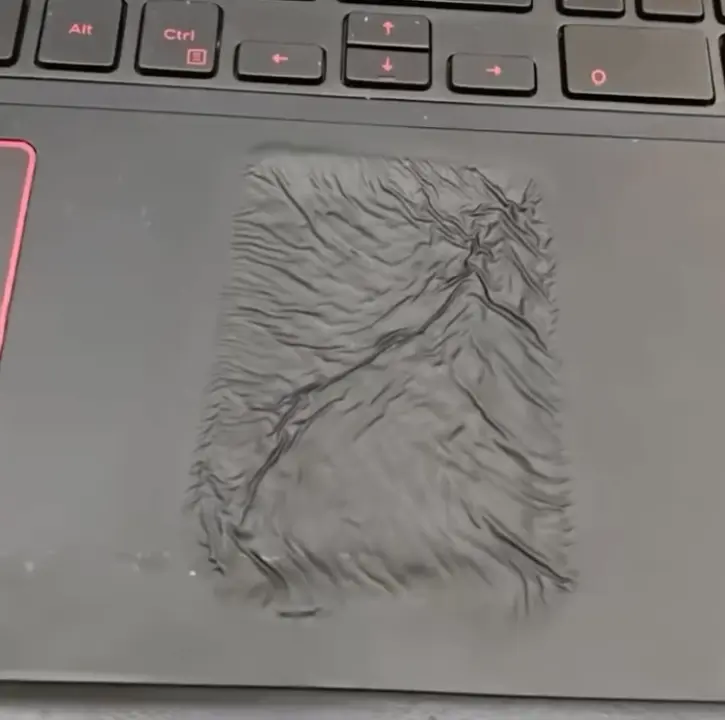
A video circulating online shows an old Dell gaming laptop that suffered a severe battery fire. The incident matters because it highlights the risks of using aging lithium-ion batteries in high-performance devices. Users with older gaming laptops should inspect their battery compartments for signs of swelling or heat damage. This visual evidence serves as a stark reminder of hardware safety limits.
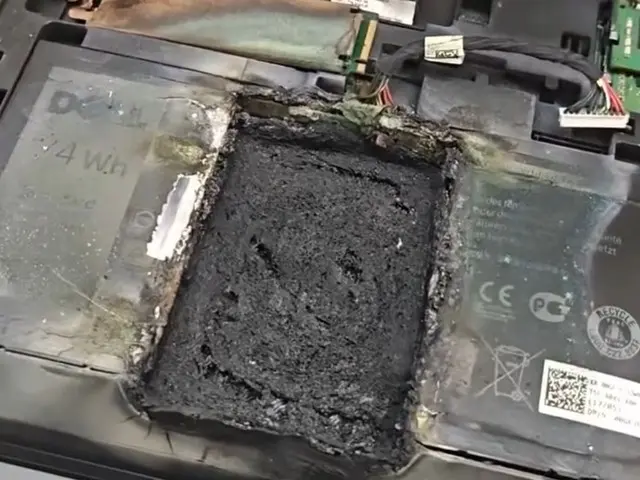
Visual evidence of thermal runaway in older hardware
The device in question is a Dell gaming laptop, though the specific model number remains unconfirmed. The footage focuses on the bottom chassis, which has been burned through to create a rectangular hole. This damage points directly to the internal power source rather than external components. The laptop's age is a key factor in the observed failure mode.
The fire originated from the internal lithium-ion battery group, which shows clear signs of carbonization and expansion. Heat damage spread to the C-keyboard area, the solid-state drive, and internal heat pipes. These components are located near the battery, explaining the extent of the thermal damage. The structural integrity of the chassis was compromised by the intense heat.
Manufacturers attribute such thermal runaway events to aging cells, physical damage, or overcharging. The specific trigger for this unit is not confirmed, but general causes include micro-shorts or external pressure. Users should monitor their devices for unusual heat or battery swelling. Regular inspection of older hardware can help prevent similar incidents.
This report confirms a safety incident involving a Dell laptop battery without identifying a specific model or widespread defect. The evidence points to component failure in an older device rather than a manufacturing flaw in current products. Consumers should prioritize battery health checks for aging hardware. The incident underscores the importance of monitoring lithium-ion battery conditions over time.


Discussion
0 comments
Log in to join the thread with a thoughtful take, question, or correction.