
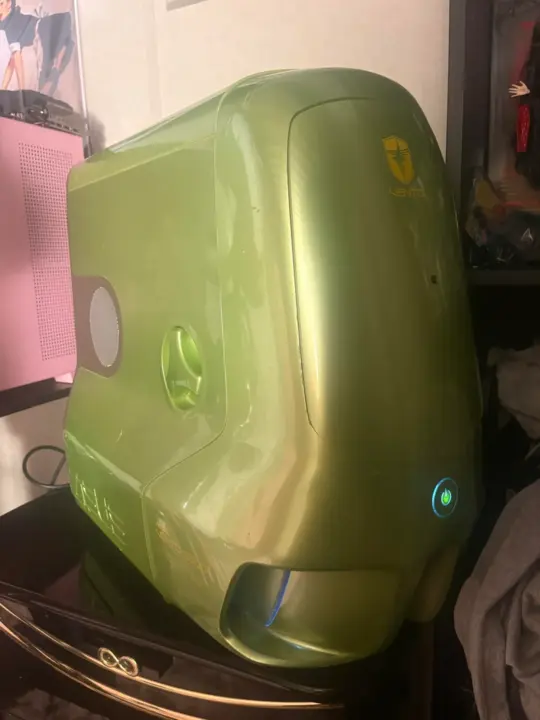
A retro ASUS chassis has resurfaced on the secondary market, offering collectors a rare glimpse into the company's early design experiments. The Vento 3600, released in 2004, stands out as ASUS's first dedicated gaming case, featuring a bold departure from standard rectangular boxes. Its curved, sci-fi exterior captures the imagination of enthusiasts who appreciate unconventional hardware aesthetics from the pre-standardization era.
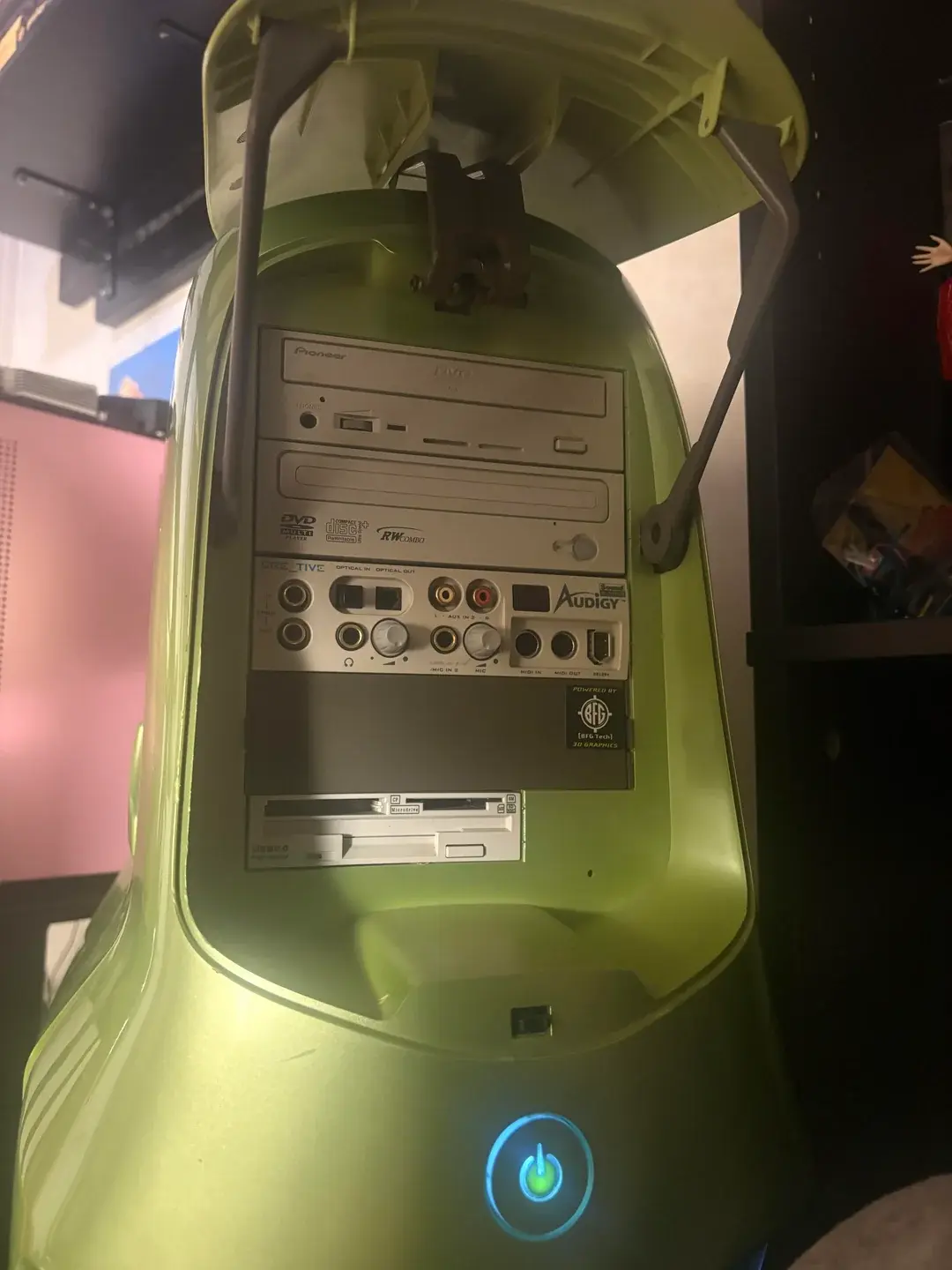
The 2004 ASUS Vento 3600 case features a curved sci-fi design and sold for $200
The Vento 3600 breaks away from traditional ATX chassis frameworks by utilizing extensive arc shapes and a protruding front panel. This design choice gives the unit a futuristic appearance that resembles a device from a science fiction movie. The case was originally available in red, blue, and green color variants, allowing users to match their builds to specific visual themes.
Specifications
- Form Factor: Non-standard ATX with curved exterior
- Design: Protruding front panel, sci-fi aesthetic
- Release Year: 2004 (Global), 2005 (China)
- Color Variants: Red, Blue, Green
- Status: Discontinued
Users encountering the Vento 3600 for the first time often compare its look to alien spaceships or sci-fi equipment from the Halo franchise. Some observers have even described the chassis as a Covenant warship rather than a standard computer case. This distinctive styling reflects the aggressive, non-standard design trends that characterized early gaming hardware before modern thermal and GPU constraints dictated form factors.
A recent listing on Facebook Marketplace highlights the current value of this discontinued hardware. The seller initially priced the unit at $700, but it eventually sold for $200 after months of inactivity. This price drop illustrates the fluctuating demand for niche retro components in the current collector market.
Discussion
0 comments
Log in to join the thread with a thoughtful take, question, or correction.