
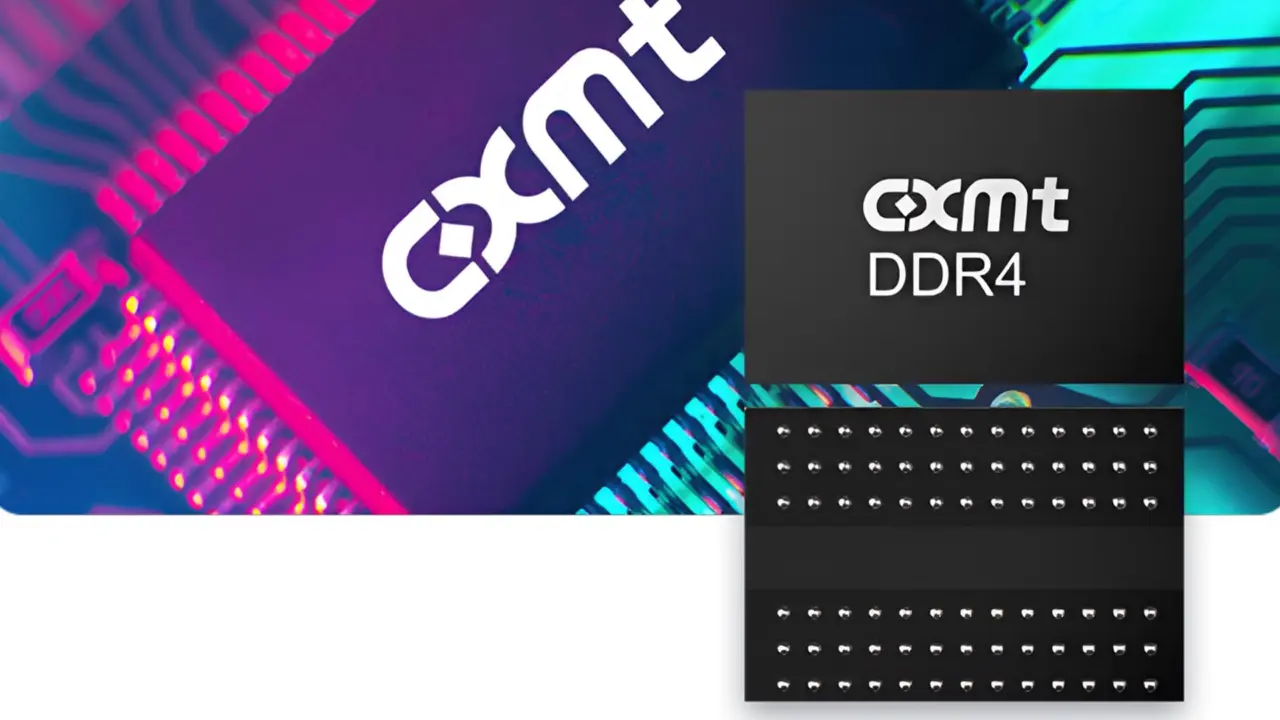
Apple faces a significant supply chain hurdle as it attempts to source DRAM memory chips from CXMT, a Chinese manufacturer currently listed on the US entity list. The company has submitted a specific exemption application to the US government to bypass these restrictions. This development matters to buyers and industry observers because it highlights the growing difficulty of securing components from Chinese semiconductor firms amidst tightening geopolitical regulations.
CXMT redirects manufacturing capacity to serve domestic tech giants like Tencent and Xiaomi
CXMT is actively prioritizing its domestic supply chain over international clients like Apple. The memory chipmaker is shifting its production capacity away from mobile-focused LPDDR chips toward server-focused DDR modules. This strategic pivot aims to meet the surging demand from major Chinese technology companies. The shift indicates a broader realignment of manufacturing resources within the Chinese semiconductor sector.
The primary driver for this capacity shift is a substantial long-term supply agreement CXMT signed with Tencent. The deal is valued at approximately $3 billion and locks up significant production volume for domestic use. CXMT is also prioritizing other Chinese giants such as Xiaomi, Alibaba, and ByteDance. These commitments effectively reduce the available inventory for foreign customers seeking DRAM components.
Industry analysts predict that Apple's exemption request will likely fail or face considerable delays. The combination of strict regulatory hurdles and CXMT's locked domestic capacity creates a high barrier to entry. Apple may need to explore alternative suppliers or wait for potential regulatory changes. The current trajectory suggests that securing CXMT's DRAM chips remains a complex and uncertain endeavor.

Discussion
0 comments
Log in to join the thread with a thoughtful take, question, or correction.