
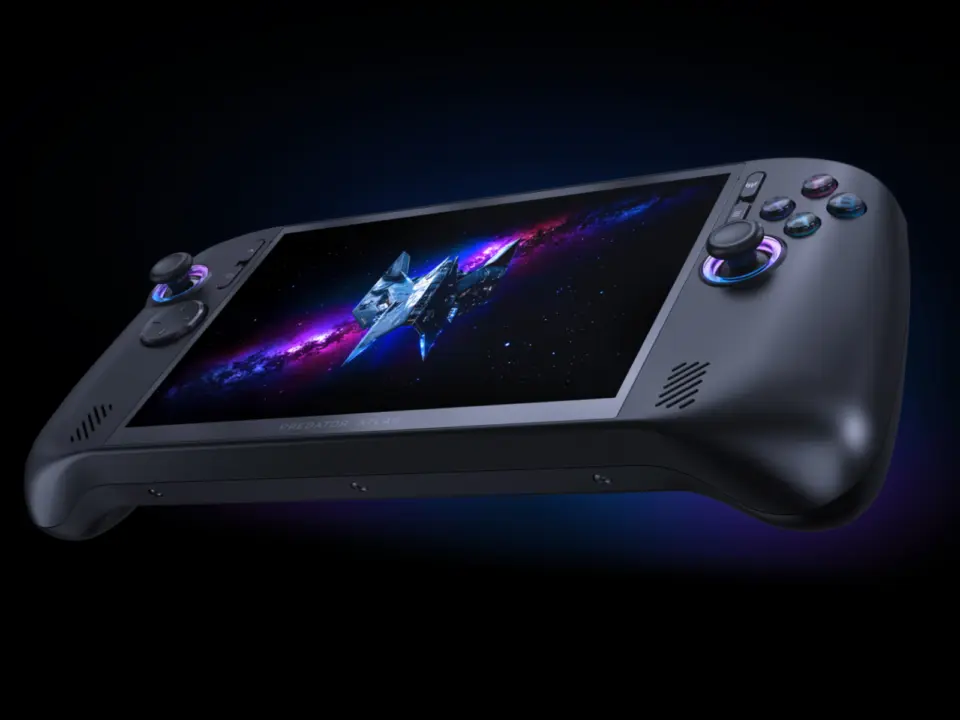
Acer is launching the Predator Atlas 8, a Windows-based gaming handheld that shifts focus from raw power to thermal management and display quality. The handheld is designed for gamers seeking longer play sessions while minimizing heat buildup and eye strain.
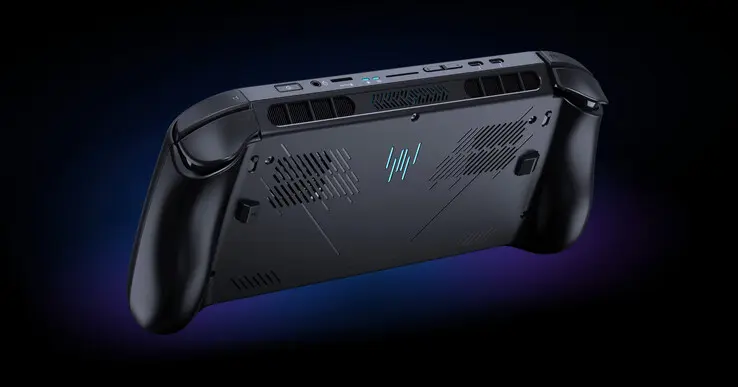
New Windows handheld emphasizes thermal management over raw power metrics
It combines an AMD Ryzen AI Z8 CPU with Arc B390 integrated graphics. The system includes Windows 11 Home and a 7-inch 120Hz LCD display with variable refresh rate support for smoother visuals and improved power efficiency.
The company built the enclosure around a vapor chamber cooling loop intended to maintain elevated clock speeds over extended use. Acer states that the design reduces surface heat compared to earlier versions while delivering steady frame rates in demanding games.
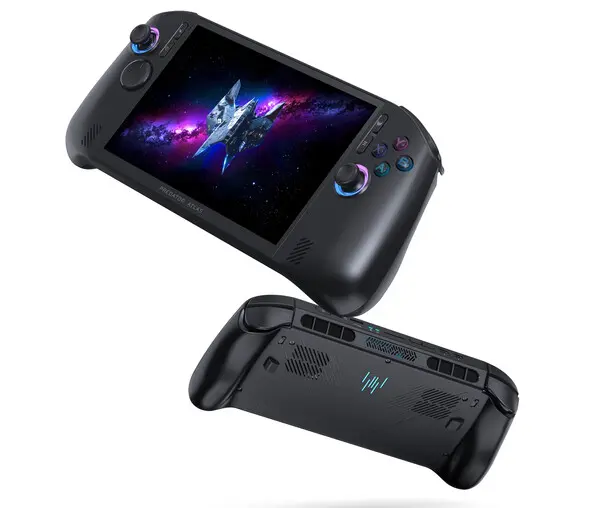
Dual USB-C connectors provide both power input and video out, enabling rapid transitions between battery charging and external displays. While specific battery size remains unlisted, Acer highlights rapid charging features to minimize interruptions during gameplay.
Cost information has not yet been provided in the official announcement. Availability will likely span multiple regions including North America and Europe, following standard launch patterns for the brand’s recent handheld releases.
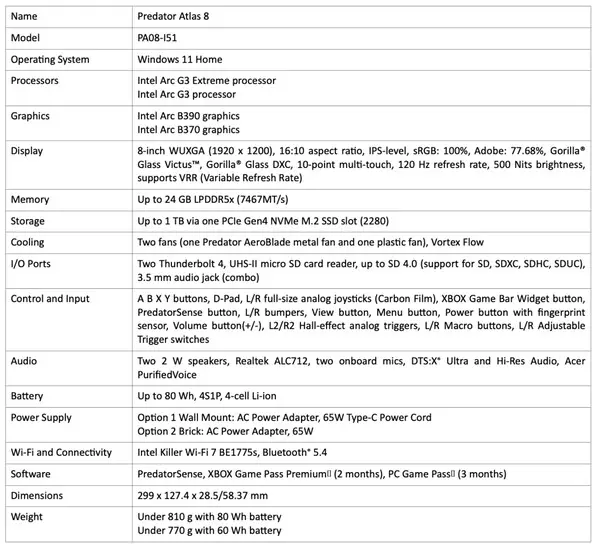
The launch comes after previous Windows-based portable computers that focused more on peak performance metrics than heat management. The model is presented as an improved version targeting players who prefer steady output rather than maximum theoretical scores.

Discussion
0 comments
Log in to join the thread with a thoughtful take, question, or correction.