
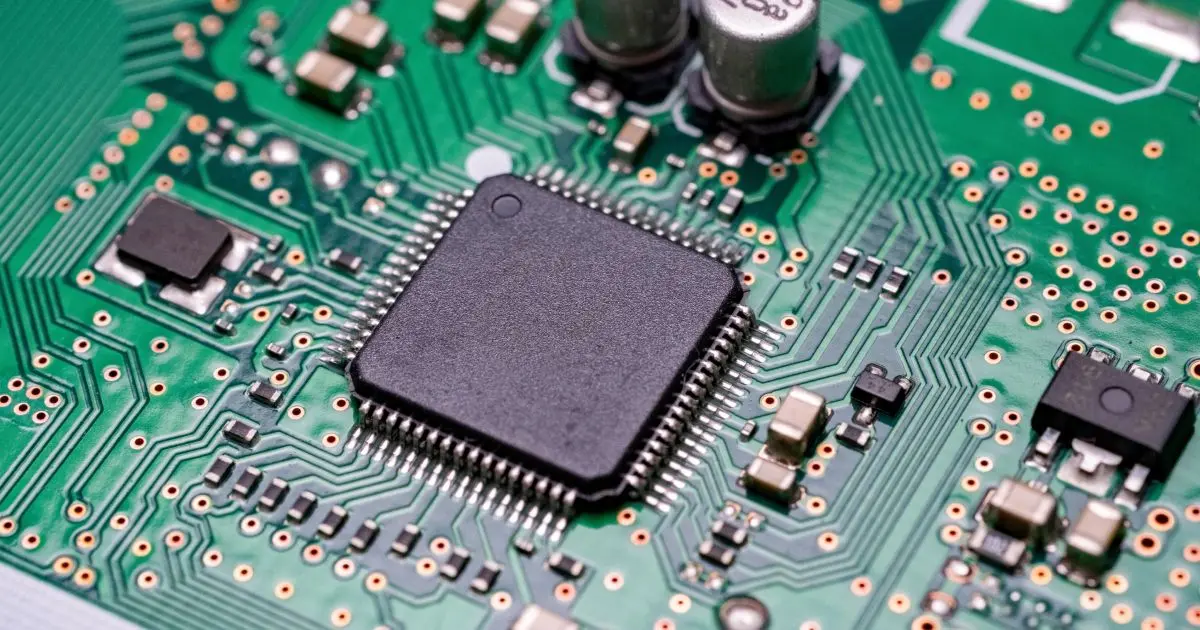
The global printed circuit board market faces significant supply chain pressures as the Middle East conflict disrupts raw material flows. Industry executives and Reuters report that this instability drives rising prices for components used in nearly all electronic devices. Copper foil costs have seen a cumulative 30 percent increase this year. This material accounts for approximately 60 percent of the total raw material cost for PCB manufacturing. Chemical resin inventories have also extended from three weeks to fifteen weeks. This prolonged cycle reflects the difficulty in sourcing high-purity PPE resin. SABIC supplies approximately 70 percent of the global high-purity PPE resin market. The halt in production of this specific resin contributes to the extended inventory cycles.
Current pricing data shows a sharp 40 percent increase in global PCB prices from March to April. General multi-layer PCBs in China now cost approximately 1394 CNY. Advanced PCBs designed for AI servers command a much higher price of 13475 CNY per square meter. These elevated costs reflect the intense demand from cloud service providers. Goldman Sachs analysts predict that cloud service demand will continue to exceed supply for several years. This sustained demand supports further PCB price increases. The market expects the global PCB industry size to grow by 12.5 percent. This growth will push the market value to 95.8 billion USD by 2026.
The pricing landscape highlights the disparity between standard components and specialized hardware. Standard multi-layer boards remain accessible but carry higher costs. Advanced boards for AI infrastructure face severe supply constraints. Manufacturers like Shenzhen Technology note that copper material costs dominate production expenses. Daeduk Electronics executives confirm that chemical resin inventory cycles have lengthened significantly. These factors combine to create a challenging environment for board producers. The market structure favors suppliers with secure raw material access.
Supply chain pressures and raw material costs drive PCB market expansion
The industry outlook remains tied to geopolitical stability and production recovery. The exact duration of the Middle East conflict impact remains unpredictable. The timeline for PPE resin production recovery is also unclear. Goldman Sachs and Prismark provide forecasts that suggest continued growth. The global PCB market is projected to reach 95.8 billion USD in 2026. This growth depends on the resolution of current supply chain bottlenecks. Stakeholders monitor these developments closely as the market evolves.



Discussion
0 comments
Log in to join the thread with a thoughtful take, question, or correction.