
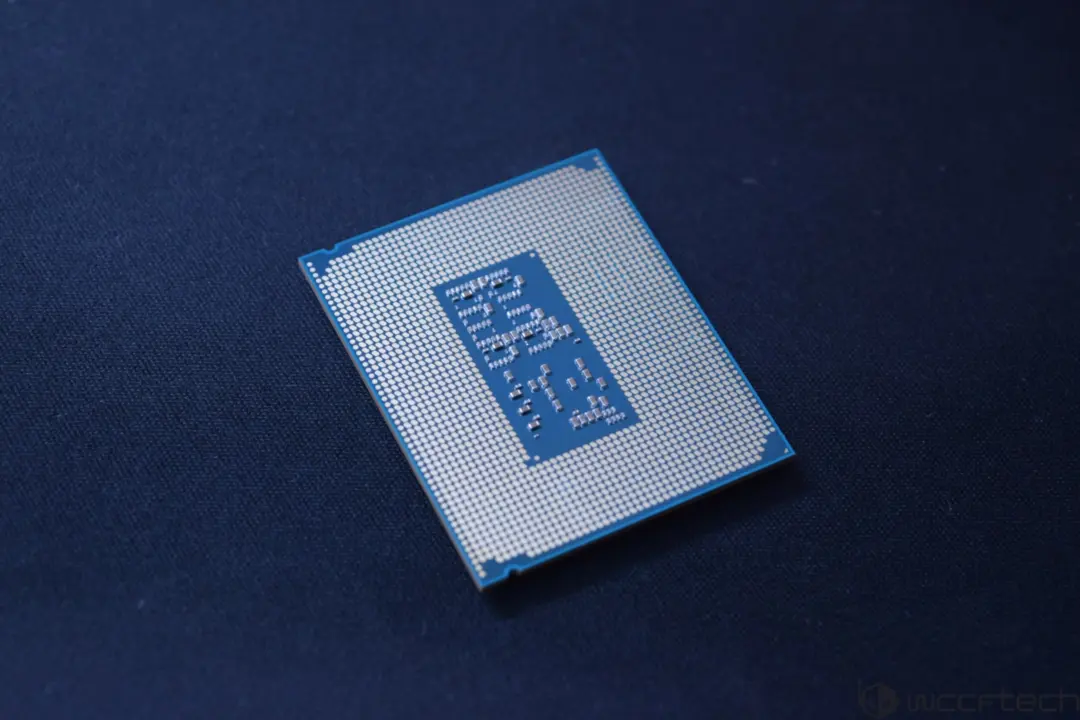
Intel has clarified that computer chips do not slow down in the way users typically expect, explaining that silicon aging primarily affects stability margins rather than causing a steady decline in performance.
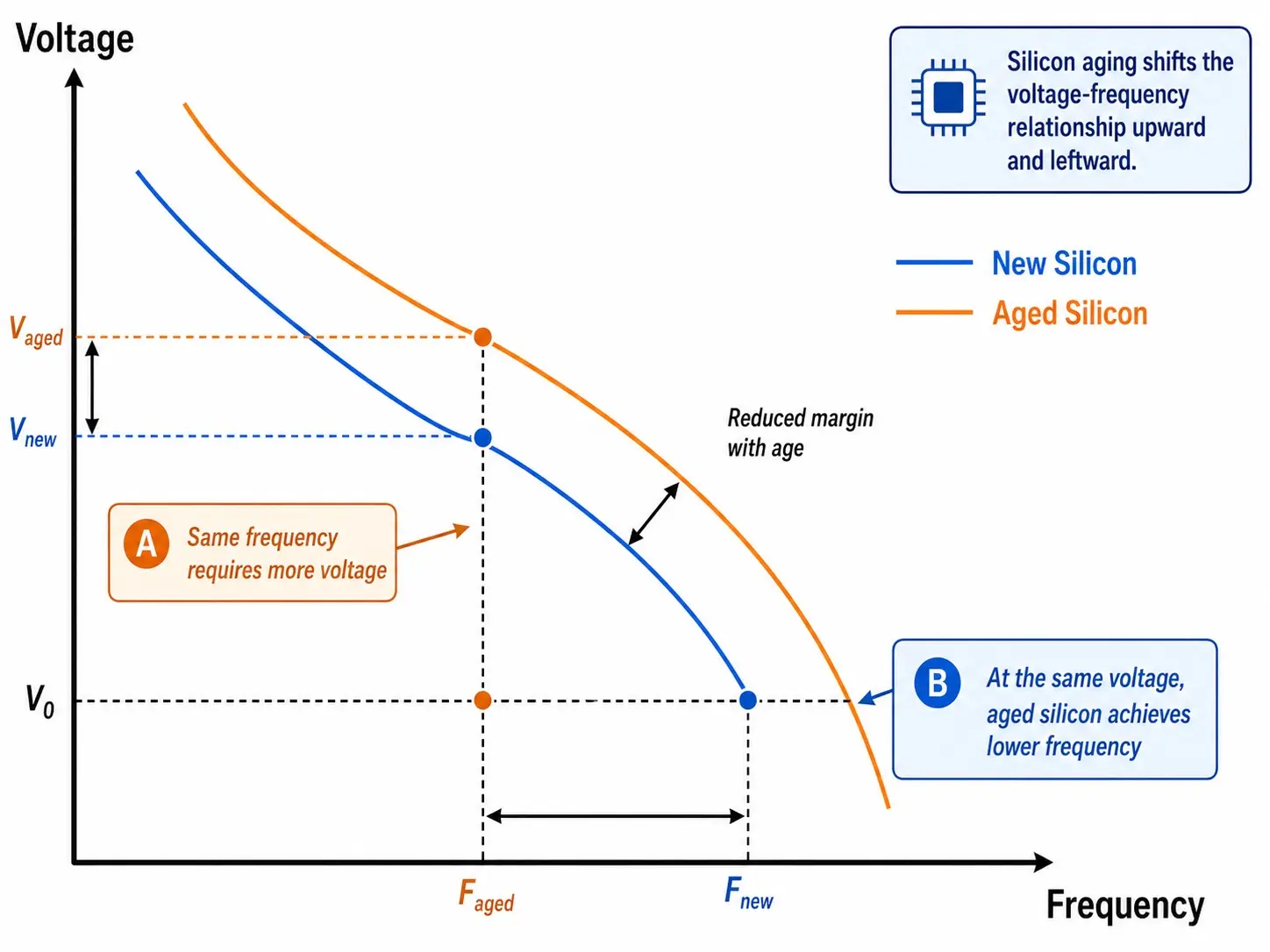
Stability margins shift over time rather than raw speed dropping
The company used its recent Raptor Lake instability issues as a case study to illustrate how elevated operating voltage and premature aging can lead to crashes by shifting the chip's stability curve over time.
Physical degradation mechanisms like NBTI, HCI, TDDB, and electromigration gradually reduce the safety margin between stable and unstable operation, meaning frequencies that once worked at a given voltage may eventually require slightly more power to remain reliable.
Overclocking accelerates this aging process by pushing silicon closer to its stability limits, which reduces the buffer zone and makes chips more susceptible to instability as they age.
Users often misunderstand silicon aging because they anticipate mechanical wear patterns or linear performance drops, but the reality is a gradual shift in voltage requirements that affects system stability rather than raw speed.


Discussion
0 comments
Log in to join the thread with a thoughtful take, question, or correction.