
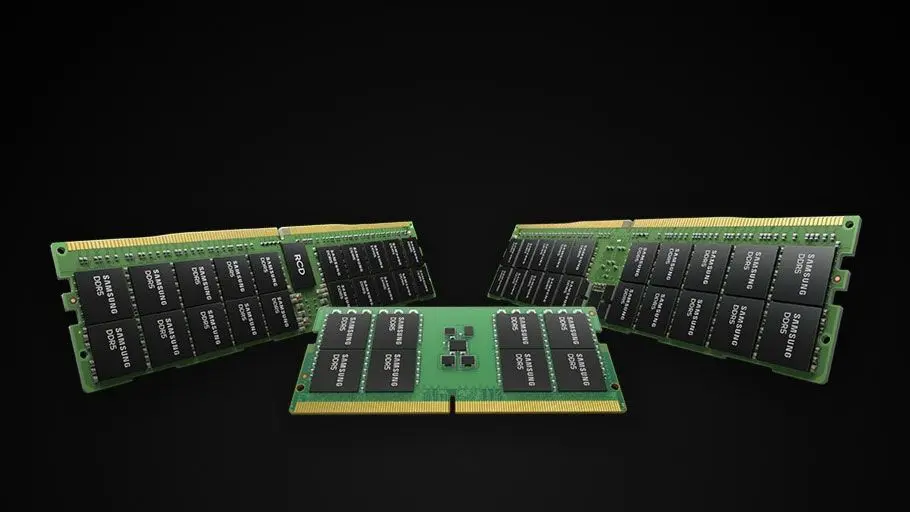
Researchers at the University of Tokyo have developed a laser-driven spintronic memory device that switches states in 40 picoseconds. This speed is approximately 1,000 times faster than typical dynamic random-access memory (DRAM). The team built the prototype using an antiferromagnetic material called manganese-tin (Mn3Sn).
Spin-orbit torque switching generates minimal heat during operation
The device operates through spin-orbit torque rather than brute-force heating. Simulations show that switching generates minimal heat, with temperature rises of only about 8 Kelvin or 14.4 degrees Fahrenheit in one configuration. The researchers generated 60-picosecond photocurrent pulses using a telecom-band laser and photodiode to drive the optical switching.
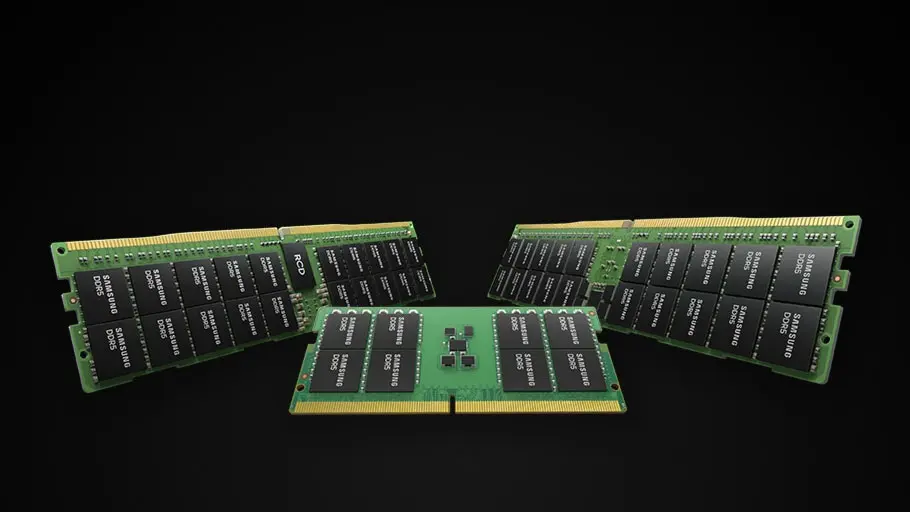
The technology remains firmly experimental at this stage. Current devices are tiny laboratory structures rather than manufacturable memory chips. The system requires an external bias magnetic field for deterministic switching, which complicates integration with existing semiconductor manufacturing processes.
Manufacturing scalability and endurance validation remain unresolved challenges. Researchers must also determine if the device can achieve cost competitiveness against established memory technologies. The University of Tokyo team has not yet confirmed a timeline for commercial production or broader industry adoption.



Discussion
0 comments
Log in to join the thread with a thoughtful take, question, or correction.