
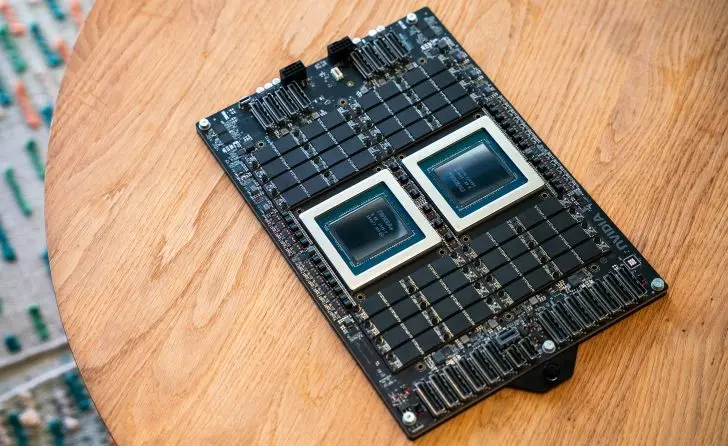
NVIDIA has begun shipping its first Vera CPUs to major artificial intelligence companies. This release marks the official opening of the era of Agentic AI. The processor is designed specifically for high-performance data center workloads.
New processor designed for high-performance data center workloads
The Vera CPU features 88 custom Olympus cores. It supports 176 threads through NVIDIA Spatial Multi-Threading. The chip delivers 1.2TB/s of memory bandwidth. It connects to other components via a 1.8TB/s NVLink-C2C interconnect. The system supports up to 1.5TB of LPDDR5X memory using SOCAMM modules.
Spec comparison
| Spec | Vera CPU |
|---|---|
| Core Count | 88 cores |
| Thread Count | 176 threads |
| Memory Bandwidth | 1.2TB/s |
| Interconnect | 1.8TB/s NVLink-C2C |
| System Memory | Up to 1.5TB |
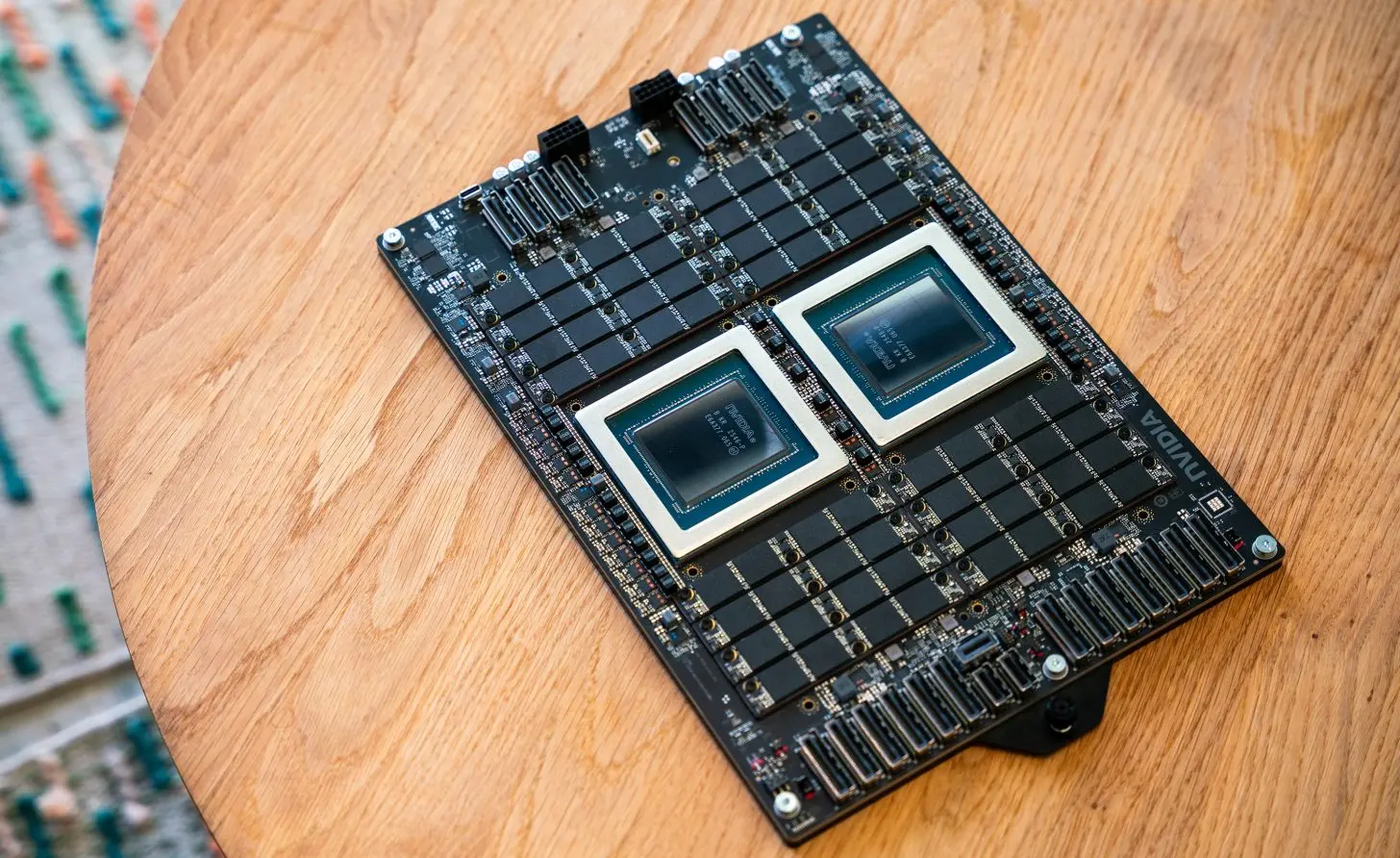
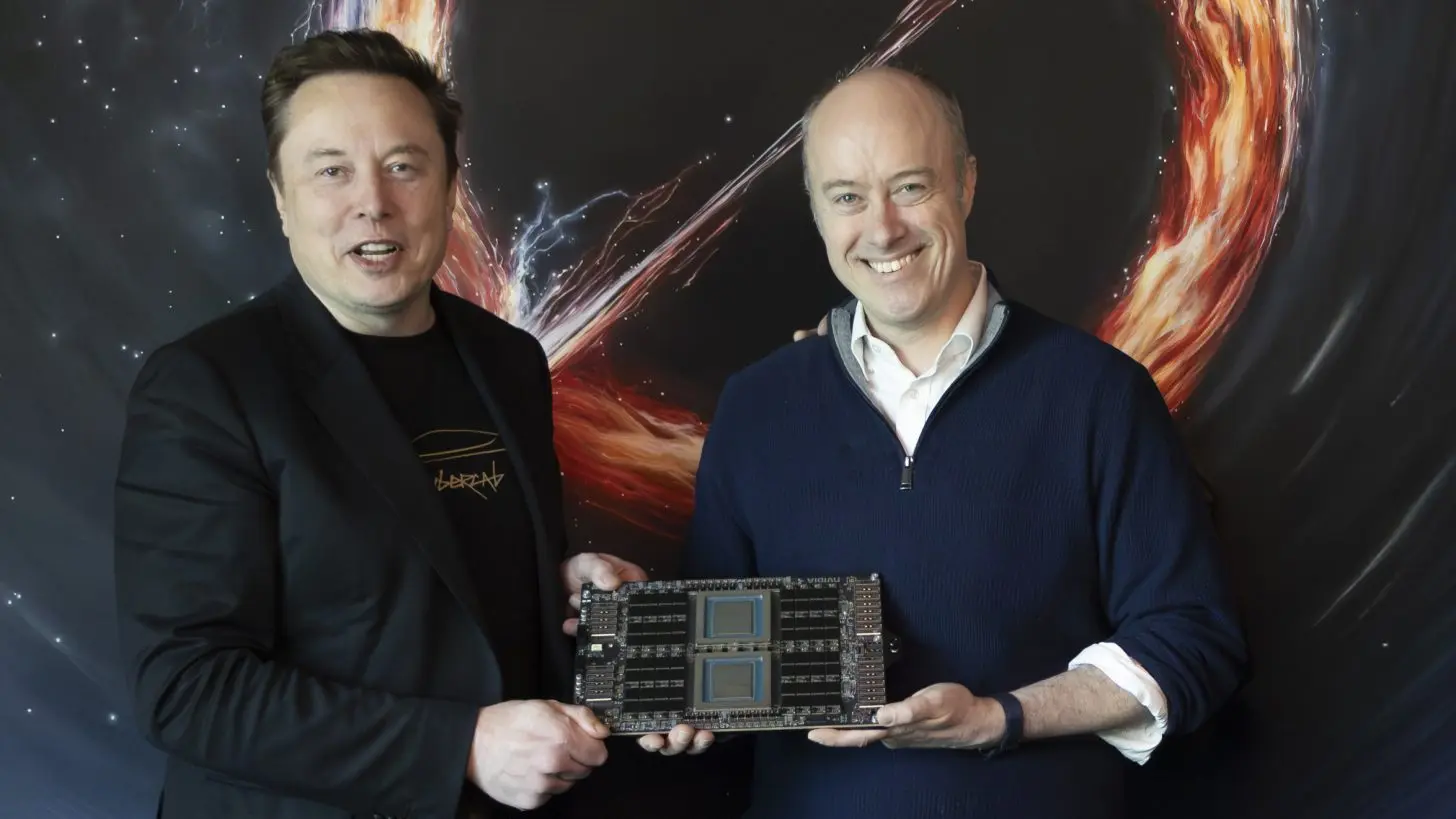
NVIDIA claims the Vera CPU offers up to 50% improved performance per core under full load compared to previous generations. The company also states there is up to a 2x improvement in data processing, compression, and CI/CD performance compared to its Grace processor. Initial deliveries went to OpenAI, SpaceX, Anthropic, and Oracle Cloud. CoreWeave, Meta Platforms, and Alibaba Group are also early adopters.
The Vera CPU is the first data center processor to utilize LPDDR5 memory technology. This architectural choice allows for higher bandwidth and lower power consumption in dense server environments. The move signals a shift in how large language models and agentic systems will be powered in the near future.


Discussion
0 comments
Log in to join the thread with a thoughtful take, question, or correction.