
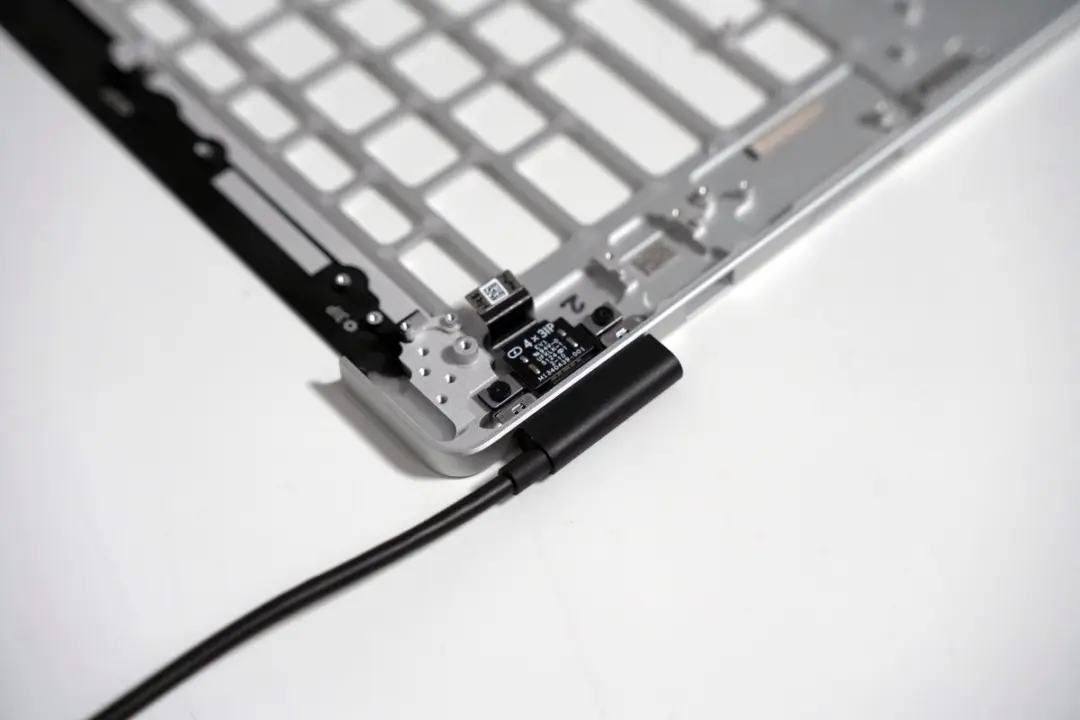
Microsoft revealed specific engineering details for the Surface Laptop Ultra to explain how it achieves its unique port connection. This matters because the magnetic USB-C interface allows cables to snap into place automatically, removing the need for precise manual alignment. Buyers who frequently connect and disconnect peripherals will find this design reduces the friction of daily use.
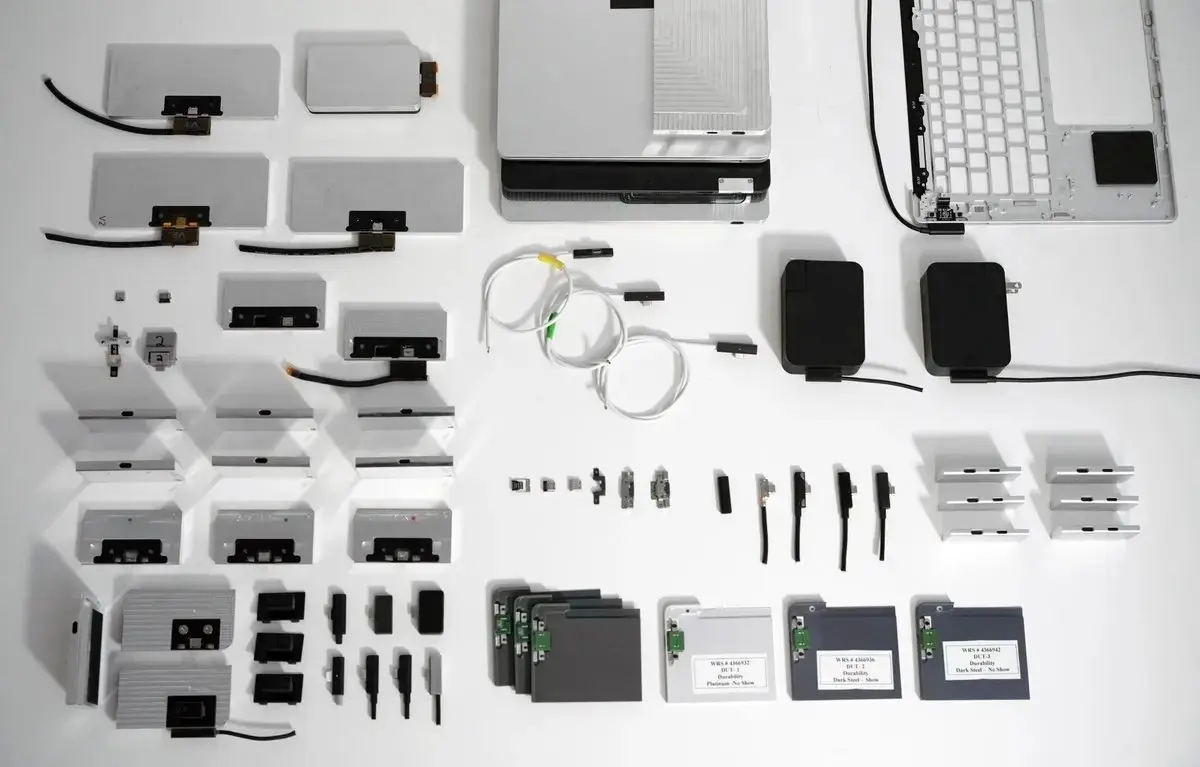
0.7mm magnet adjustment enables automatic cable alignment
The Surface Laptop Ultra features a built-in magnetic USB-C port, which represents the first time such a mechanism has been integrated directly into a laptop chassis. Microsoft engineers designed the port to accept standard USB-C cables while using internal magnets to guide the connector. This approach maintains universal compatibility while adding a layer of physical assistance for the user.
Key Specifications
- Interface Type: Magnetic USB-C
- Magnet Adjustment: 0.7 mm
- Development Iterations: Approximately 300
- Durability Testing: Thousands of plug/unplug cycles
Jit Hirani, the Surface Laptop Ultra Chief Designer, stated that the engineering team iterated approximately 300 times during development. The team faced a strict constraint to keep the standard USB-C interface without modifying the external connector shape. They achieved the magnetic function by adjusting the internal magnet position by only 0.7 millimeters.
Marcus Ash, Microsoft Windows + Devices Design and Engineering Lead, noted that this tiny 0.7 millimeter adjustment transformed the experience from requiring a final push to stable automatic attachment. The port underwent thousands of plug and unplug cycles, off-axis pull tests, and stress tests simulating cables being snagged. These durability measures ensure the magnetic connection remains reliable under physical strain.


The article mentions a 0.7mm magnet adjustment. Did Microsoft specify if this 0.7mm is the total travel range or just the offset from neutral?
It is the offset from the standard mechanical position. The 300 iterations were needed to ensure the magnetic snap didn’t force the plug too hard. It keeps the standard USB-C shape intact.
300 iterations for a tiny magnet tweak feels like a lot of R&D time tbh 😂
The 0.7mm adjustment is internal. The external connector remains fully compliant with the USB standard. This is a chassis integration win not a connector redesign.
I want to see the off-axis pull test results. If the magnetic attraction is too strong it will damage the port on the device over time.
Just hope the durability testing included actual daily wear and tear not just lab cycles.
I suspect the magnetic field might interfere with nearby wireless charging pads if placed too close.