
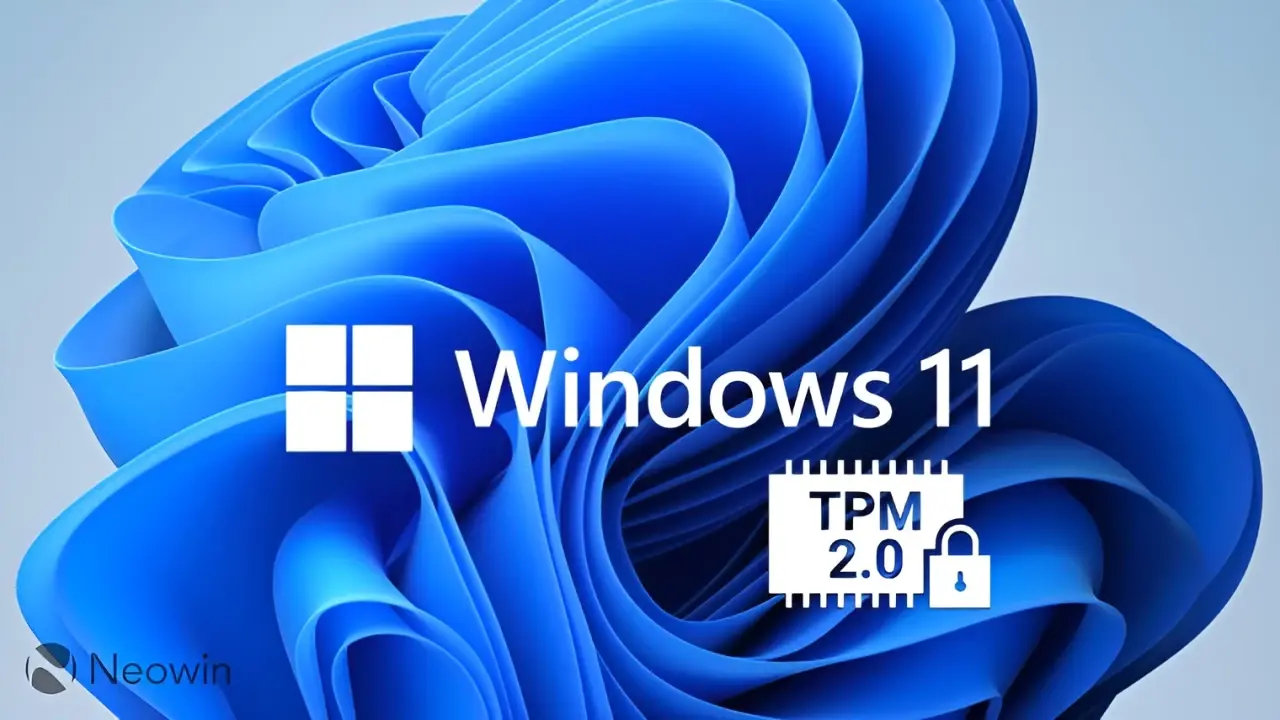
Microsoft just changed their hardware requirements for Windows 11 and basically scrapped needing the Pluton security coprocessor to be your trusted platform module. This is important since it changes the entire security baseline for new AMD/Intel/Qualcomm powered PC platforms. In 2026, you will no longer need to use Pluton as a fallback for key TPM 2.0 functionality when buying or designing a new PC platform.
Microsoft updates hardware guidelines to separate TPM 2.0 from Pluton coprocessor
Microsoft's Pluton chip will still be part of Windows based devices. It'll still be there for hardware enforced security isolation but it won't be the TPM 2.0 building block for new PC hardware from big processor companies.
This is a big departure from previous hardware requirements which tightly tied Pluton into key security features. Starting in 2026, TPM 2.0 capabilities are being handled by either the firmware TPMs on processors (probably PTT for Intel, whatever AMD/Qualcomm does for their firmwares) or separate TPM chips.
This separation gives more flexibility to hardware makers when designing security features and not having to lock into Microsoft's particular implementation of Pluton. As for prior to 2026, any devices that are currently using Pluton as a TPM are still fully supported and serviced by Microsoft.
Why this architecture shift is taking place isn't publicly detailed by Microsoft. So we're just guessing about what could be the drivers. But for now, existing Pluton based systems won't be affected by these new guidelines.
Without tying Pluton into TPM usage, this could also make things easier for chipmakers when it comes to hardware compliance. They now have the option to use either firmware TPMs or discrete TPMs. All without breaking Windows 11 compatibility. This clears things up when it comes to the security baseline for next generation Windows PCs.

Comments (0)