
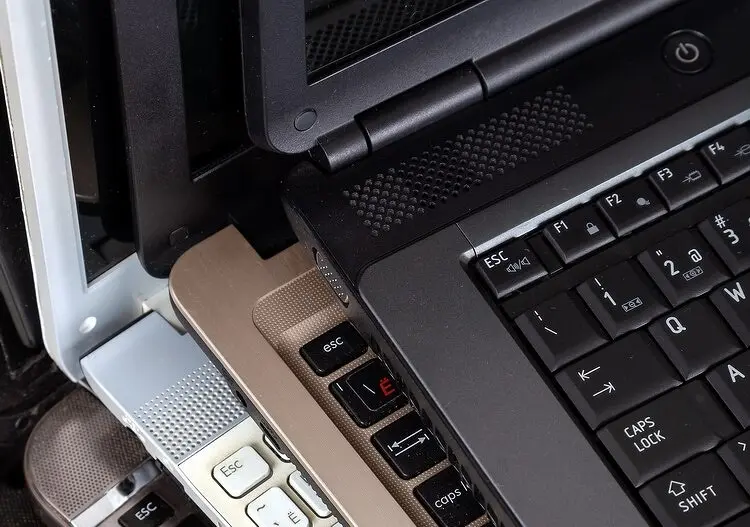
Russian laptop buyers are facing a 10 percent price increase on Chinese models, a shift that squeezes consumer budgets while hardware specifications simultaneously degrade. This dual pressure stems from global component shortages and new Russian regulatory fees that inflate procurement costs for importers. Shoppers will see higher retail prices and reduced memory configurations as manufacturers pass these expenses down the line.
Chinese brands face higher costs and shrinking specs as Western rivals exit the market
The supply chain disruption centers on memory and storage components, which now make up nearly 60 percent of total laptop manufacturing costs. Samsung and SK Hynix are diverting production capacity toward server memory, high-bandwidth memory for AI data centers, and enterprise solid-state drives. This strategic pivot has significantly reduced the availability of consumer-grade DRAM and NAND flash chips in the global market.
Global memory shortages are forcing manufacturers to reintroduce 8 gigabyte RAM laptop models, a configuration widely considered insufficient for running Windows 11 in 2026. Procurement prices for these devices have already risen by 10 percent according to Russian importers. The cost structure is further strained by a 10 to 15 percent rise in DRAM contract prices and a 15 to 20 percent increase in NAND flash prices scheduled for the fourth quarter of 2026.
Western brands such as Apple, HP, and Dell have reduced their supply presence in Russia, leaving Chinese manufacturers as the primary source for local consumers. This market dominance has stripped Chinese brands of significant bargaining power against component suppliers. The situation will worsen when Russia implements a technical fee and mandatory labeling system for electronics on December 1, 2026, adding another layer of cost to the supply chain.
Retail price hikes are expected to fully materialize across all brands and price segments in the first quarter of 2027. The combination of higher component costs, reduced Western competition, and new regulatory fees creates a sustained upward pressure on laptop prices. Consumers in the region should expect to pay more for devices with fewer resources as the market adjusts to these structural changes.

Discussion
0 comments
Log in to join the thread with a thoughtful take, question, or correction.