
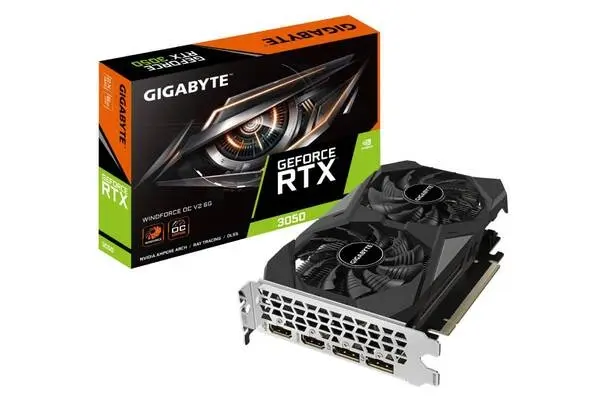
Small form factor builds in Japan are seeing a surprising shift in the market, with compact entry-level cards outselling high-end flagship models. This trend highlights that space constraints and power efficiency often drive consumer choices more than raw performance for many buyers. The September 2026 sales rankings from Sofmap reveal a clear preference for hardware that fits into smaller cases without requiring massive power supplies.
Compact entry-level cards outsell high-end flagships in Japan
The top spot went to the Gigabyte GeForce RTX 3050 6GB, a card that measures just 191mm in length. This compact design allows it to fit into mini-ITX and micro-ATX builds where larger cards simply will not fit. The card uses 6GB of GDDR6 memory and requires only a 300W power supply, making it an accessible option for users upgrading older systems.
Spec comparison
| Spec | Gigabyte RTX 3050 6GB | MSI GT 1030 | Gigabyte RX 9070 XT |
|---|---|---|---|
| VRAM | 6GB GDDR6 | 2GB DDR4 | 16GB |
| Length | 191mm | N/A | N/A |
| Boost Clock | N/A | 1430MHz | 3060MHz |
| PSU Requirement | 300W | N/A | N/A |
The MSI GeForce GT 1030, based on the 2018 Pascal architecture, secured the second spot. This older card features 384 CUDA cores, a boost clock of 1430MHz, and uses a PCIe 3.0 x4 bus with 2GB of DDR4 memory. Its presence in the top two shows that budget and legacy compatibility remain strong factors in the current market.
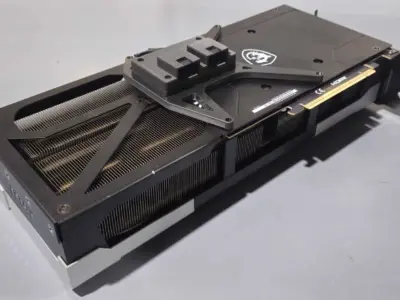
Higher-end models occupied the lower spots in the top five, with the Gigabyte Radeon RX 9070 XT ranking third. This RDNA 4 card features 16GB of VRAM and a boost clock of 3060MHz. The Gigabyte GeForce RTX 5070 Ti AERO OC took fourth place, marking the first time a card with 16GB of GDDR7 memory running at 28Gbps appeared in these rankings. The ASUS GeForce RTX 5060 Ti rounded out the top five with GDDR7 memory and support for DLSS 4.
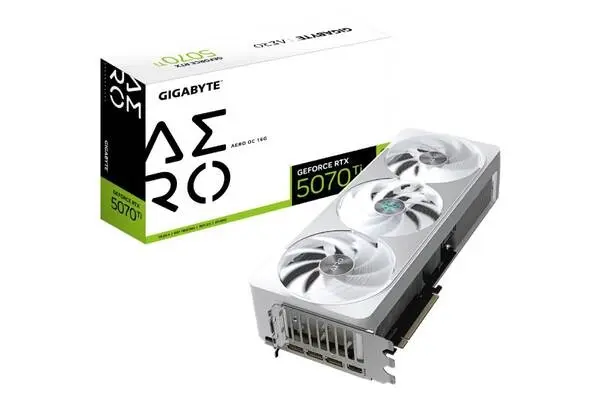
Gigabyte secured three of the top five positions, demonstrating a broad range of appeal from entry-level to high-end segments. The rankings show a distinct split where entry-level and older cards dominate the top positions, while high-end cards rank lower. This suggests that the majority of buyers in this region are prioritizing value and form factor over the latest flagship performance.
Discussion
0 comments
Log in to join the thread with a thoughtful take, question, or correction.