
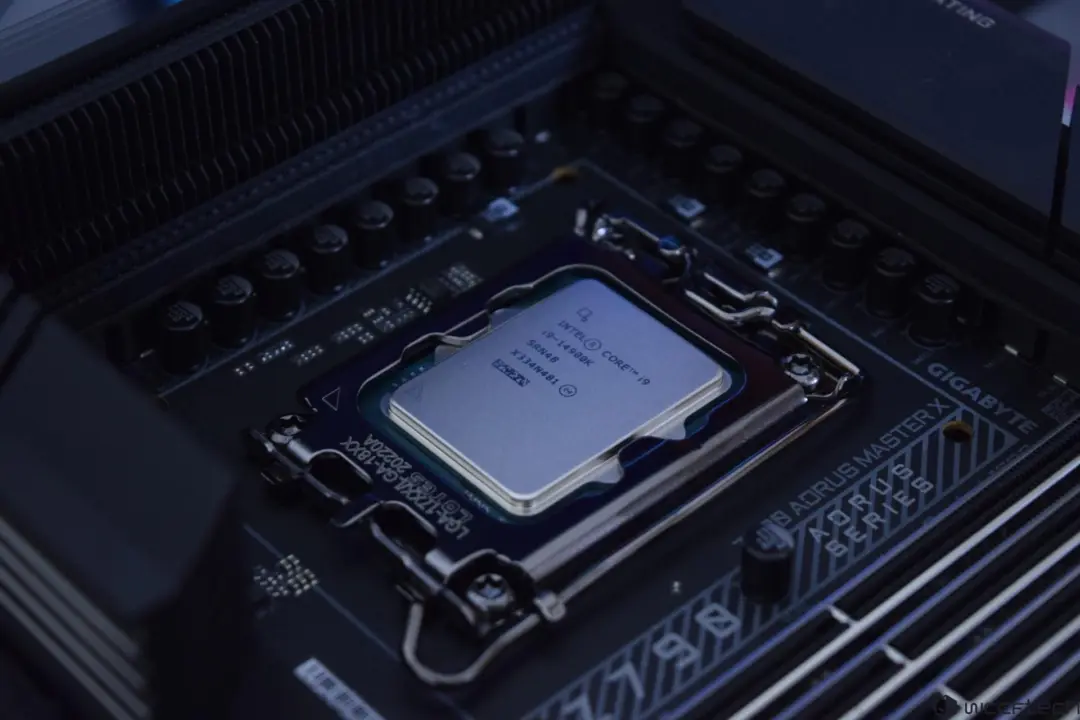
Intel Core i9-14900K processors are facing continued reliability concerns as a user reports the fourth unit in their possession has begun to degrade. This case highlights that standard mitigation steps, such as motherboard BIOS updates, may not permanently resolve instability in affected chips. Buyers relying on this flagship processor for high-performance tasks should monitor for similar degradation signs. The persistence of these issues suggests that voltage-related degradation remains a significant risk for early adopters of this architecture.
Fourth unit fails despite microcode patch and multiple replacements
The affected system features a high-end configuration with an RTX 5090 graphics card and 64GB of DDR5-6000 CL28 memory. Despite the robust supporting hardware, the processor exhibits typical blue screen of death errors with code 0xC0000005. These errors are commonly associated with the broader instability issues seen in Intel's 13th and 14th-generation desktop CPUs. The user has already replaced the CPU three times since its initial release, indicating a recurring failure pattern rather than an isolated incident.
The user attempted to stabilize the system by applying a motherboard BIOS update containing a microcode fix. This update failed to resolve the instability, leading to the conclusion that the processor hardware itself is degrading. Intel has generally attributed instability in these generations to excessive voltage, but this specific case shows limits to software-based fixes. The exact root cause of degradation in this unit remains unconfirmed, as it persists despite settings changes and updates.
Community responses suggest that undervolting and lowering clock speeds may be necessary to maintain stability on these chips. The user is now considering switching to the Intel Core Ultra 7 270K Plus and an ASUS ROG Maximus Z890 APEX motherboard. This potential shift reflects a move toward newer architectures that may offer better long-term reliability. The situation underscores the importance of verifying stability before committing to long-term use of these specific processor models.


Discussion
0 comments
Log in to join the thread with a thoughtful take, question, or correction.