
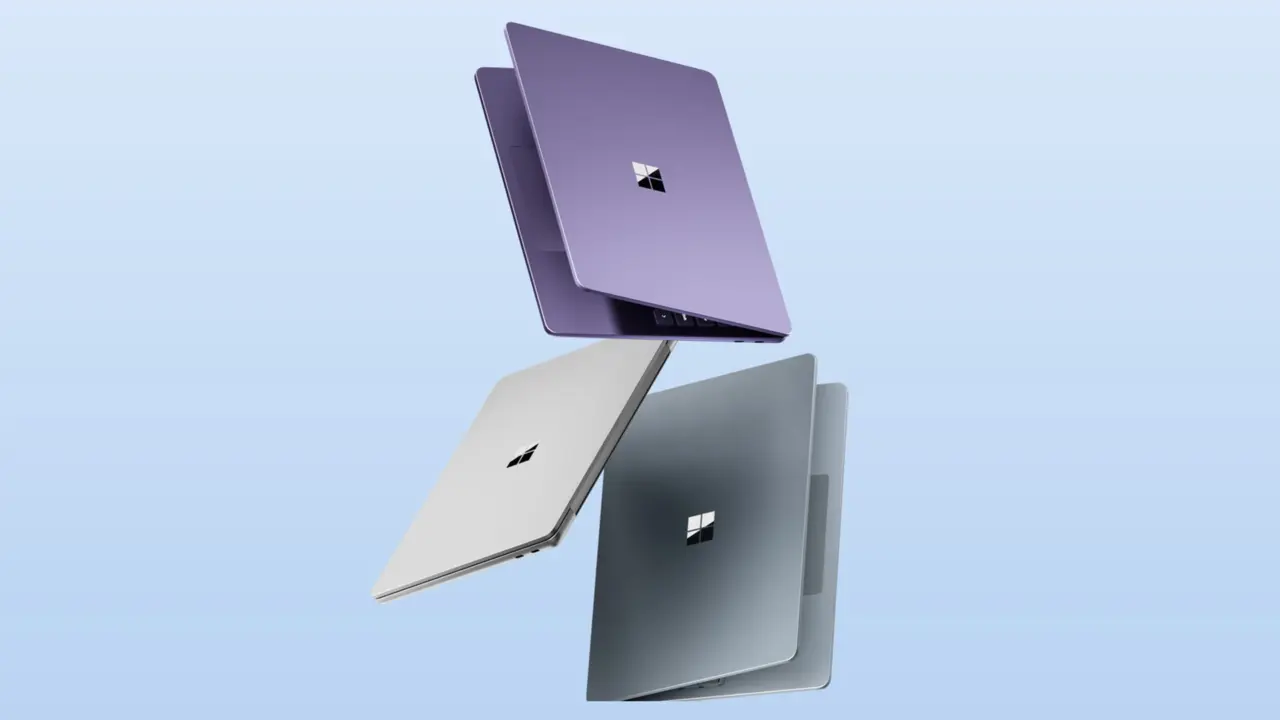
Microsoft Surface executives have clarified why AMD processors do not appear in the current lineup, addressing speculation about potential quality or compatibility issues. Brett Ostrum, the Surface chief product and marketing officer, stated that the company loves working with AMD but maintains a limited portfolio that requires careful selection. This distinction matters to buyers who might assume the absence of Ryzen chips reflects a negative evaluation of the technology rather than a strategic business decision. Readers interested in Surface hardware can now understand that the exclusion is a result of prioritizing specific partners rather than avoiding AMD capabilities.
Microsoft Surface CVP clarifies that AMD absence is strategic, not quality-related
The Surface product line currently relies on a mix of Intel, Snapdragon, and NVIDIA chipsets to power its devices. Ostrum explained that Microsoft chooses its hardware partners wisely to fit the specific needs of its narrow range of products. The company has a history of using AMD components in other areas, such as Xbox consoles and handheld gaming hardware, which demonstrates an ongoing and positive relationship with the chipmaker. This context suggests that the Surface decision is driven by the specific demands of the laptop and tablet form factors.
Historical data shows that AMD processors were present in earlier Surface models, specifically the Surface 4 series. The current lineup has shifted away from AMD in favor of Intel for traditional x86 computing and Snapdragon for always-connected ARM-based devices. NVIDIA graphics chips, including those from the RTX Spark series, handle the graphical processing needs for the more performance-oriented models. This multi-vendor approach allows Microsoft to tailor the hardware to different use cases without being locked into a single processor architecture.
The strategic focus on a limited portfolio means Microsoft must make deliberate choices about which components to integrate into each device. Ostrum emphasized that these choices are made to ensure the best fit for the specific requirements of the Surface brand. This approach prioritizes stability and integration over offering every available processor option on the market. The decision reflects a broader trend in the PC industry where manufacturers curate their component lists to maintain quality control and supply chain efficiency.
This clarification follows recent updates to the Surface lineup, including the end of production for the Surface Go and Surface Laptop Go models. When we covered the last Surface update, several of the same balance and stability themes came up, highlighting Microsoft's consistent approach to product refinement. The current strategy continues to prioritize a curated selection of hardware partners to support the core Surface devices. Buyers looking for AMD-powered Surface laptops should note that this is a current strategic choice rather than a permanent exclusion of the technology.
Discussion
0 comments
Log in to join the thread with a thoughtful take, question, or correction.