
An unofficial software update allows AMD graphics cards to run NVIDIA’s DLSS 5 neural rendering in a faster mode. This matters because it offers a significant performance boost for players using AMD hardware in supported games. Users can now achieve higher frame rates without waiting for native driver support from the chipmaker.
Unofficial patch enables NVIDIA neural rendering on AMD hardware
The tool in question is DLSS-NR-on-AMD, which has reached version Alpha 0.4.3. Tests were conducted on a system identified as the Radeon RX 9070 XT, a model name that does not exist in AMD’s current official product lineup. The software likely targets existing RX 7000 or RX 9000 series cards using a mislabeled identifier.
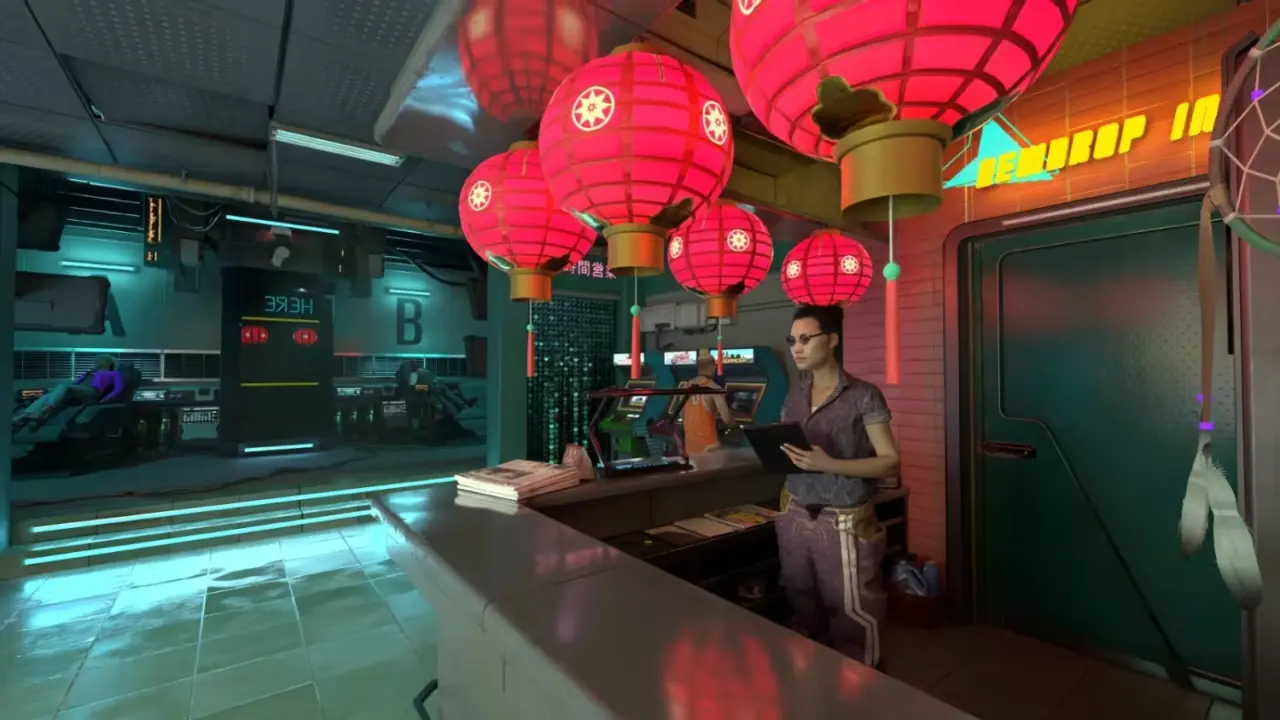
- DLSS 5 Fast Mode Performance: 75 FPS at 1080p in Cyberpunk 2077
- Tool Version: Alpha 0.4.3
- Required DLL: nvngx_dlssnr.dll (build 310.8.0.0)
The update enables DLSS 5 Neural Rendering in Fast Mode, which uses cheaper arithmetic operations to improve speed. The tool requires users to manually install the nvngx_dlssnr.dll file, build 310.8.0.0, into the game folder. It also requires enabling FSR within the game settings to function correctly.
In Cyberpunk 2077 at 1080p, the setup reached 75 FPS, a major jump from the under 30 FPS seen in early builds. The developer reports that the visual difference between Fast Mode and the original Reference mode is minimal. This performance gain makes the tool relevant for users seeking immediate frame rate improvements on compatible AMD GPUs.
We previously covered the Alpha 0.4.0 release, which delivered a 74% performance boost on Radeon GPUs in a single day. The current Alpha 0.4.3 update continues this trajectory by refining the neural rendering pipeline. The tool remains an unofficial solution for bridging the gap between AMD hardware and NVIDIA’s proprietary upscaling technology.
The confirmation of 75 FPS in Alpha 0.4.3 marks a stable baseline for this unofficial patch. Users interested in testing this performance gain must handle the manual DLL installation themselves. The solution provides a temporary workaround for DLSS 5 compatibility on non-NVIDIA hardware.
Discussion
0 comments
Log in to join the thread with a thoughtful take, question, or correction.