
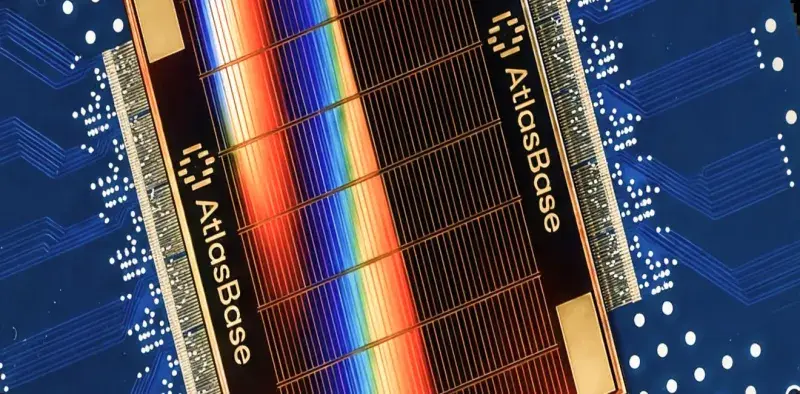
AtlasBase has launched the Thalia platform, a molecular computing and storage system that moves synthetic DNA storage from experimental labs to commercial use. This shift matters because it offers a way to archive massive datasets in a fraction of the space required by current magnetic tape solutions. Buyers looking to reduce physical storage footprints will find this density leap significant.
AtlasBase Thalia platform enables PB-level DNA storage in nail-sized capsules
The system relies on a proprietary CMOS chip named Thalia to manage the storage process. This chip integrates 560 million electrochemical synthesis sites to write data into synthetic DNA strands. The architecture allows for a single unit to hold between 100TB and 5EB of data.
Specifications
- Storage Capacity: 100TB to 5EB
- Physical Dimensions: 7x18mm capsule
- Electrochemical Synthesis Sites: 560 million
- Writing Speed Increase: 700x over prior tech
- Density Comparison: 10x higher than LTO-10 tape
The physical footprint of this technology is remarkably small. A data archive containing 1PB of information fits into a stainless steel capsule measuring just 7 by 18 millimeters. This size reduction replaces the need for entire rack-mounted libraries of magnetic tape.
AtlasBase claims the new chip increases writing units by 700 times compared to previous similar technologies. In the same physical space, this DNA storage approach offers one order of magnitude higher capacity than LTO-10 magnetic tape. The company states that what once required large server rooms can now fit in small capsules.
Early access to the molecular computing and storage platform is currently open to select partners and customers. Specific pricing details and further technical specifications for the Thalia chip are not yet available. The launch marks a formal step toward PB-level commercial applications for synthetic DNA storage.
Discussion
0 comments
Log in to join the thread with a thoughtful take, question, or correction.