
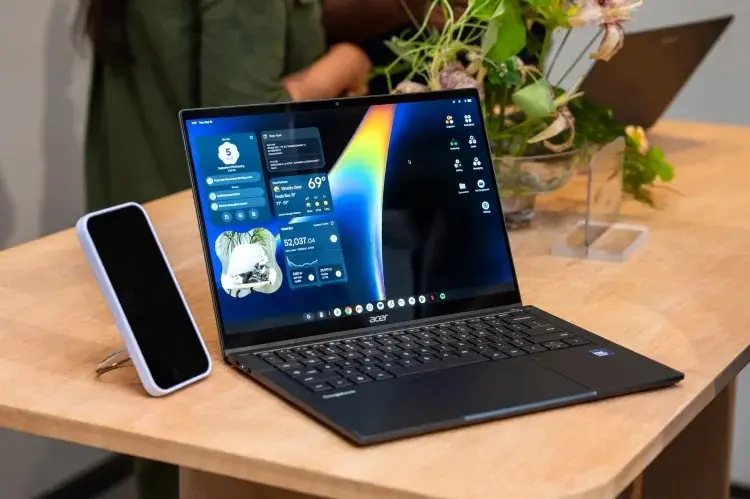
Google is launching a new line of laptops called Googlebook, and this move shifts the focus from hardware specs to long-term software support. Buyers who upgrade frequently will find the 10-year update promise changes the typical replacement cycle for Windows and Chrome OS devices. The announcement includes five partner models from Acer, Asus, Dell, HP, and Lenovo, signaling a broad industry push for AI-integrated computing.
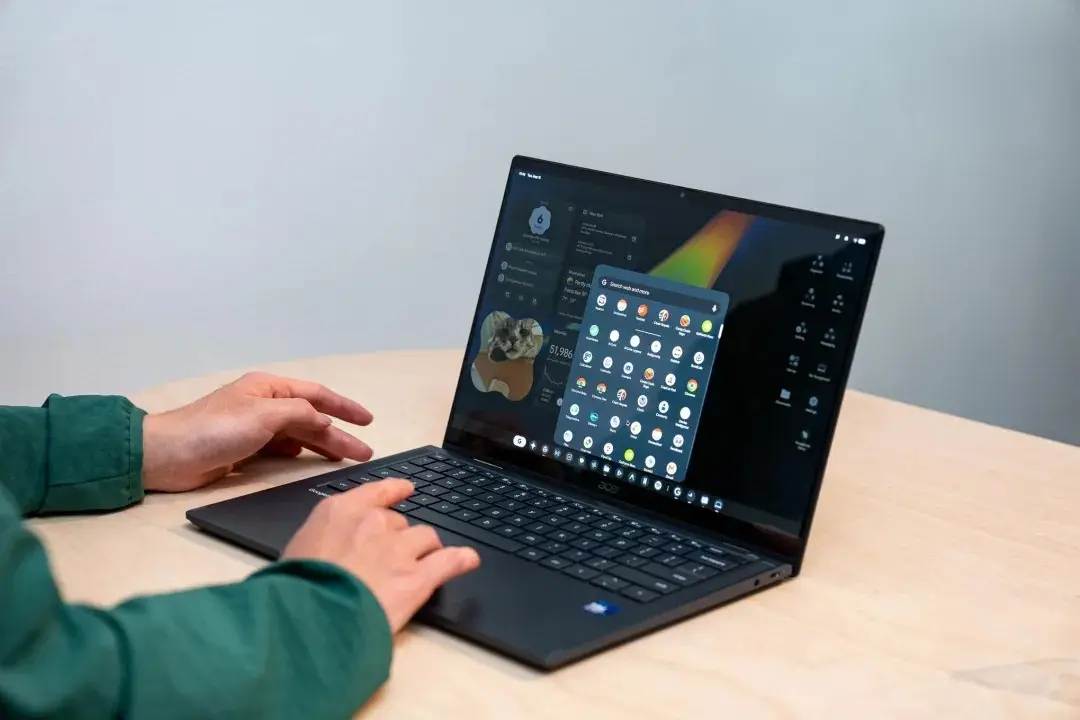
Five partner models ship globally with extended software support
The new operating system blends elements of Android and ChromeOS to create a unified experience for mobile and desktop users. Google aims to fix the disjointed workflow that often happens when users switch between phones and laptops. Sameer Samat, President of Android, stated that the company wants to reinvent the laptop for current and future usage patterns. The goal is to make AI features available when needed and invisible when they are not.
Hardware configurations vary by partner, but all devices share a focus on modern processing power and high-quality displays. Acer and Asus offer the Googlebook 14 with Intel Core Ultra 5 or Ultra 7 processors, while Dell and HP use the Qualcomm Snapdragon X Elite chip. Lenovo provides a larger Googlebook 15 option with an Intel Core Ultra 5 processor. All models feature OLED touchscreens, with the Acer and Asus versions offering 2.8K resolution.
Memory and storage options cater to different productivity needs, with 16GB of RAM standard across most configurations. The Acer model includes 256GB or 512GB storage, while the Asus variant allows for up to 32GB of RAM. Google has bundled significant software value with every purchase, including 12 months of Google AI Pro and 5TB of cloud storage. Buyers also receive three-month trials for YouTube Premium, Adobe Photoshop, and CapCut Pro.
Pricing for the Googlebook line starts at 899 USD (around $899) for base models and reaches 1,299 USD (around $1,299) for higher configurations. Pre-orders are available immediately following the September 21 announcement, with general availability starting on October 4. The devices will ship globally, making the new ecosystem accessible to international buyers. We looked at Google Chrome 153 Rolls Out With in our earlier Google coverage.
The Googlebook series represents a concrete shift in how Google approaches PC hardware through its manufacturing partners. The combination of extended support, integrated AI services, and bundled software subscriptions aims to reduce total cost of ownership for users. Consumers can now choose from multiple hardware designs while gaining access to a unified Android-ChromeOS environment.

Discussion
0 comments
Log in to join the thread with a thoughtful take, question, or correction.