
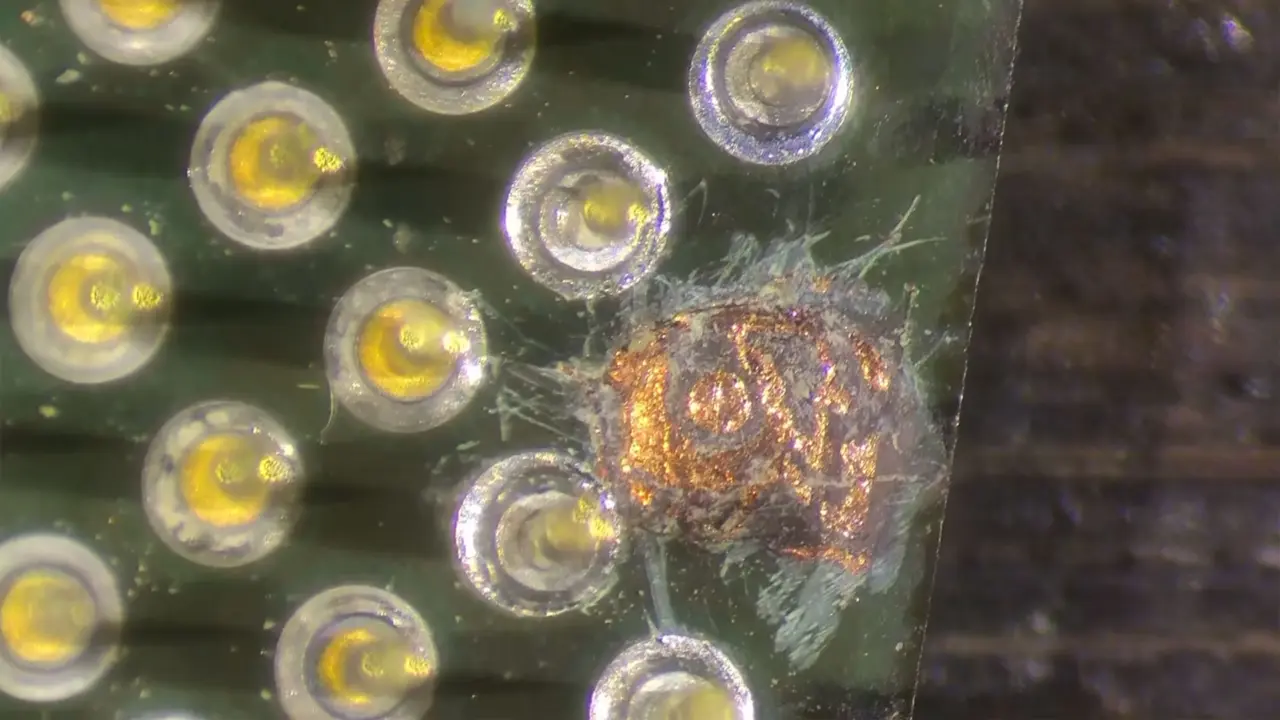
A broken Intel Celeron 1200 processor has returned to life through a complex hardware repair. This story matters because it demonstrates that severe physical damage to vintage CPUs can sometimes be reversed with microsoldering skills. Enthusiasts who rely on old hardware for retro builds now have proof that even ripped substrate pads can be fixed.
Enthusiast replaces ripped data pin to restore vintage processor function
The project involved an Intel Celeron 1200 based on the Tualatin architecture. The chip suffered from a missing data pin and a ripped-off substrate pad, which usually renders a CPU useless. The repair required digging into the CPU substrate to access the internal connections and replace the damaged components.
- Model: Intel Celeron 1200 (Tualatin)
- Architecture: Tualatin
- Overclock Result: 1,600 MHz (33% overclock)
- Repair Type: Substrate pin replacement
Bits und Bolts performed the physical repair by applying solder mask and soldering a donor pin from a broken Tualatin chip. The source video titled "I Dug a Hole Inside a Pentium III to Fix It!" documents this intricate process. The team used a donor pin to bridge the gap left by the ripped-off data pin D47.
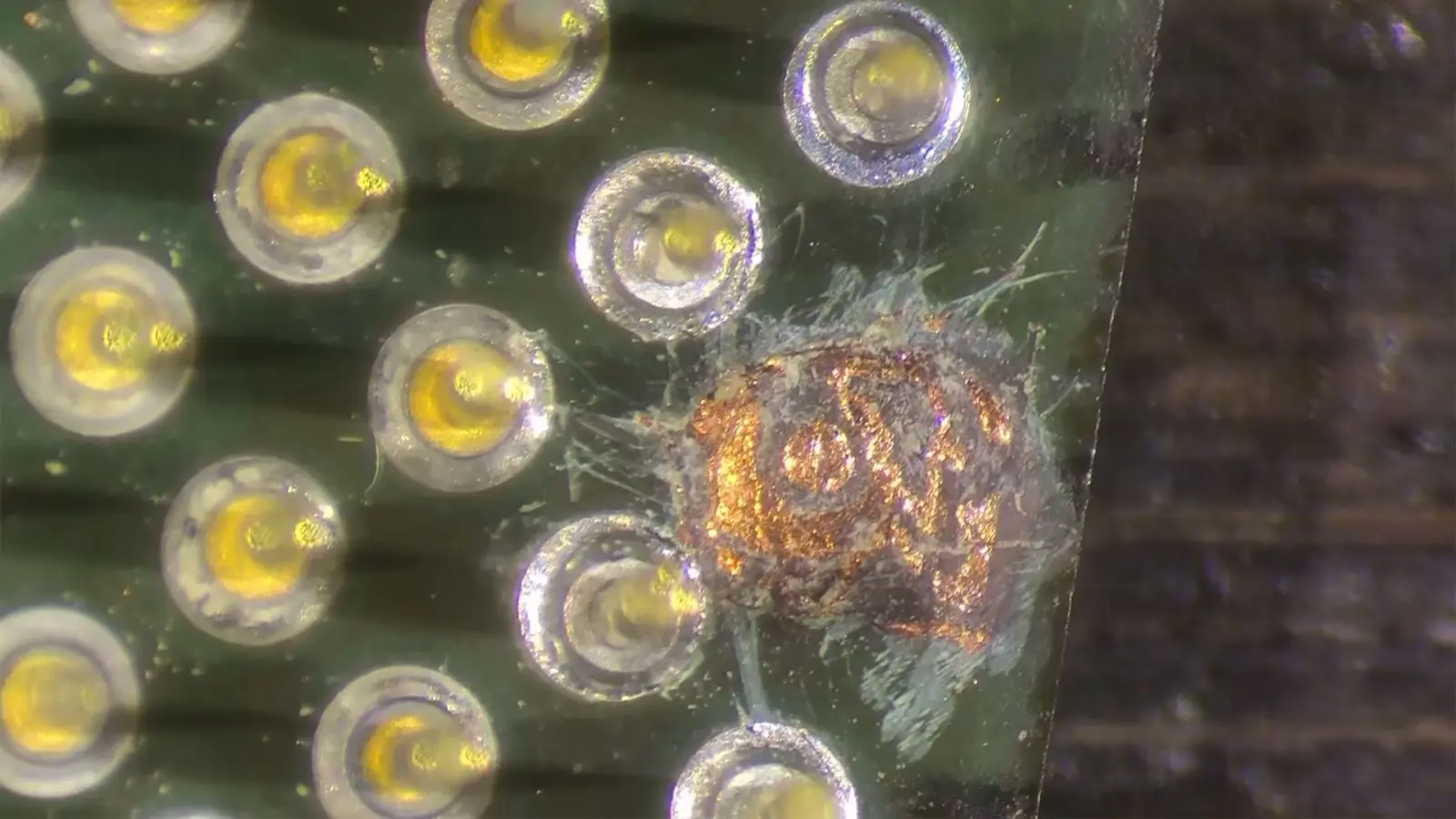
The repaired CPU successfully booted and passed various benchmark tests without issues. The processor also achieved a stable 1,600 MHz clock speed, representing a 33 percent overclock. This performance confirms that the substrate repair did not compromise the chip's electrical integrity or stability under load.
We looked at similar vintage CPU repairs while tracking enthusiast hardware projects. The successful resurrection of this Tualatin-based Celeron provides a practical reference for others facing similar damage. The chip remains a functional component capable of running modern retro-computing workloads.


Discussion
0 comments
Log in to join the thread with a thoughtful take, question, or correction.