
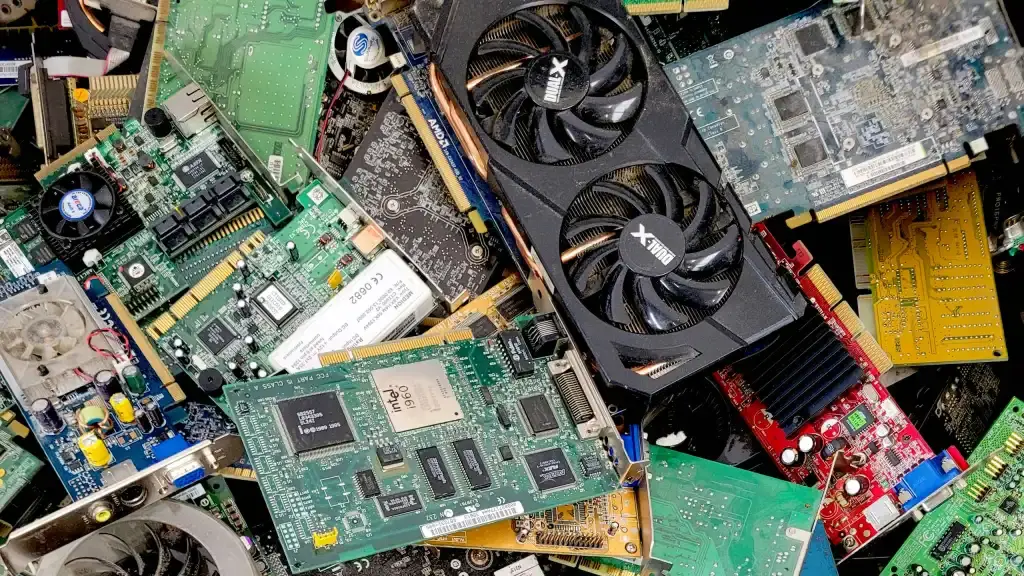
Buying used PC hardware in 2026 carries risks that go beyond standard wear and tear. AI-generated images and videos now serve as the primary tool for fraudsters selling defective components. This shift means buyers can no longer trust static photos when evaluating second-hand graphics cards or core accessories. The market has become a landscape where visual evidence is frequently fabricated to hide critical flaws.
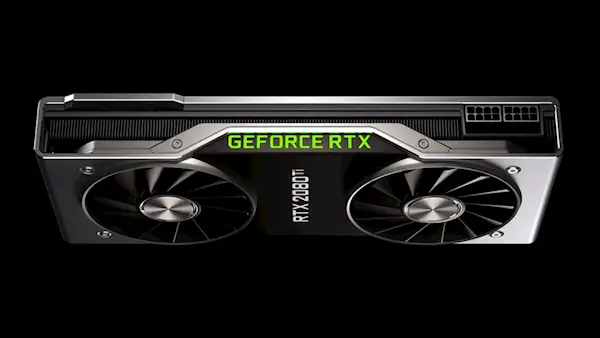
AI-generated images hide defects while second-hand component costs climb
Fast Technology reports that used GPU prices are rising abnormally despite the age of the hardware. This trend contradicts normal depreciation patterns and suggests a market dominated by professional sellers and organized fraud rings. These actors use advanced AI tools to create convincing listings that mask the true condition of the product. Buyers face a higher barrier to entry as they must verify authenticity against sophisticated digital forgeries.
The core of the fraud involves using AI media to misrepresent hardware condition. Sellers often list components as 'untested,' a term that frequently indicates known major defects hidden from potential buyers. To combat this, buyers should demand real-time stress tests that display memory temperatures for GDDR7 and GDDR6X chips. These specific metrics provide live proof of performance that static images cannot fake.
Protecting your purchase requires using platforms with robust credit score systems and chargeback protection. These features offer a financial safety net when AI-driven fraud leads to a bad transaction. The rising prices of used components make this protection essential for anyone looking to save money. Relying on standard marketplace listings without these safeguards leaves buyers vulnerable to significant financial loss.

Discussion
0 comments
Log in to join the thread with a thoughtful take, question, or correction.