
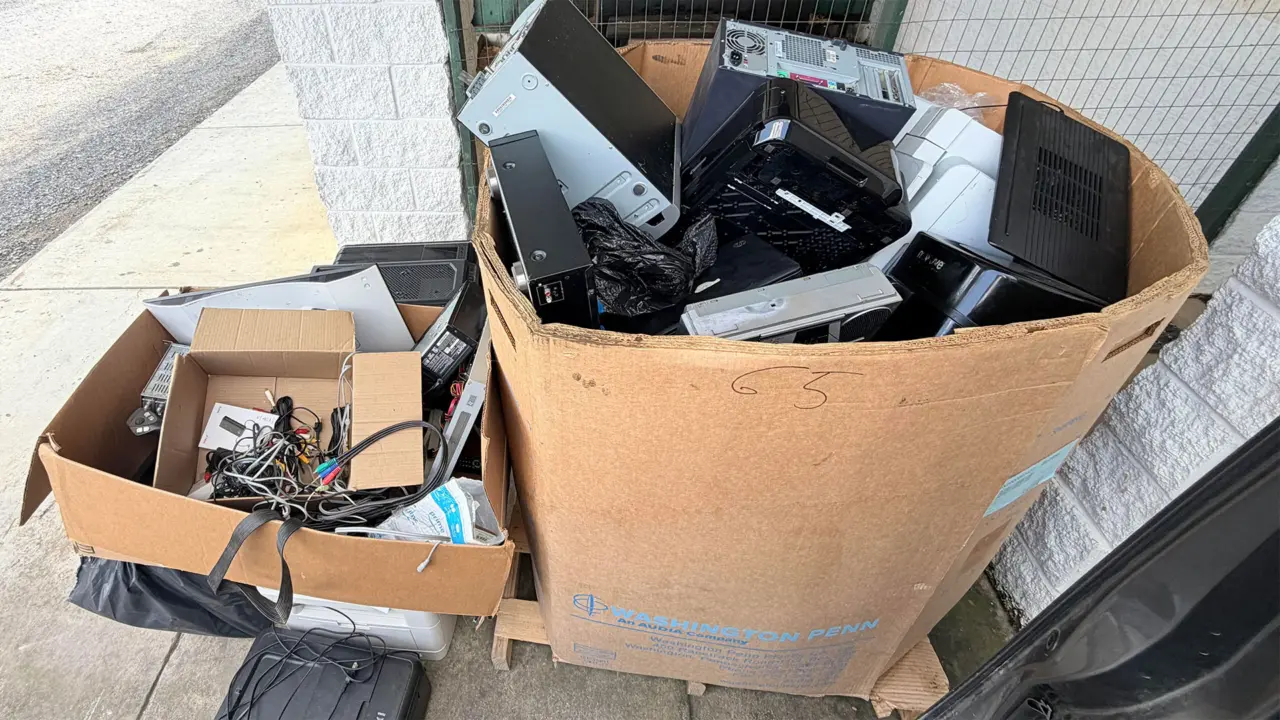
A user named Tsuto has transformed weekly trips to a county landfill into a fully functional home lab and gaming setup. This approach proves that discarded electronics can still serve as reliable hardware for modern computing tasks. Buyers facing high component prices might find value in sourcing parts from waste streams rather than retail stores.
User assembles virtualization rig using reclaimed storage and new CPU
The centerpiece of this build is a Proxmox server designed for virtualization and storage management. Tsuto assembled the system using scavenged storage drives paired with newly purchased processing power. The configuration prioritizes data redundancy and fast access speeds for the operating system and applications.
Proxmox Server Specifications
- Proxmox OS Drives: Two mirrored 256GB SSDs
- Proxmox Fast Storage: One 1TB SSD
- Proxmox ZFS Storage: Three 2TB HDDs in RAID1
- Proxmox CPU: Intel Core i7-7700
- Proxmox RAM: 64GB
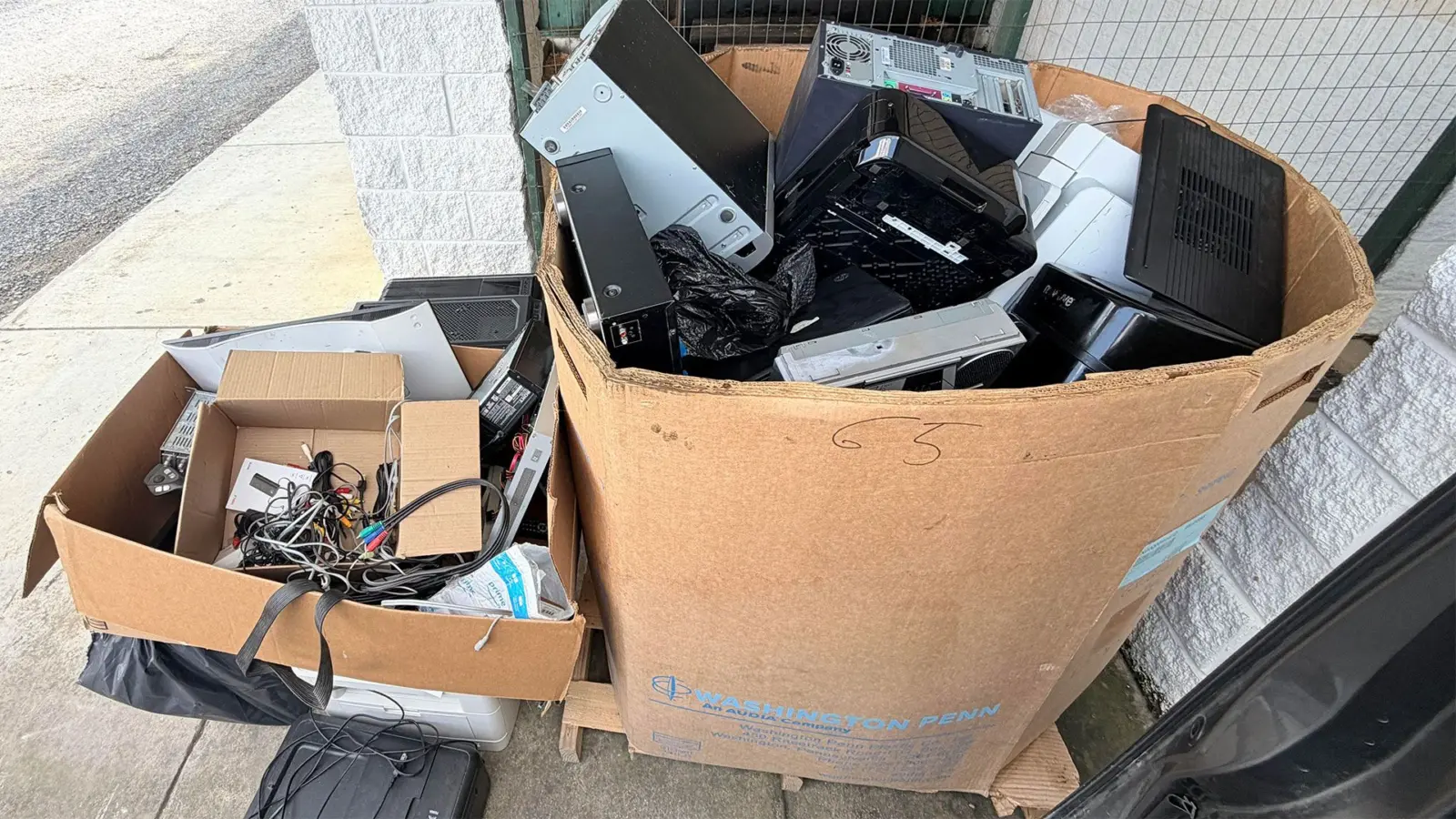
The server relies on two mirrored 256GB SSDs to run the Proxmox operating system. It also features a separate 1TB SSD dedicated to fast storage tasks. For bulk data retention, the system uses three 2TB hard drives configured in a RAID1 array for ZFS storage. These components provide a tiered storage architecture suitable for a home lab environment.
Tsuto purchased an Intel Core i7-7700 CPU and 64GB of RAM from Amazon to complete the server build. The scavenger also recovered an Asus ROG laptop containing an Intel Core i7-4710HQ processor, 16GB of RAM, and a GeForce GTX 860M GPU. The laptop only required a $25 battery replacement from Amazon to become functional again for casual gaming.
Tsuto noted that older components like RTX 3060 graphics cards and DDR4 memory retain significant value due to current hardware shortages. The scavenger stated, "It’s wild what people throw away these days," highlighting the disparity between waste and usable tech. Another comment emphasized the laptop's utility: "The Asus ROG laptop just needed a $25 battery off Amazon and still has decent enough specs for casual gaming for my son."
This project demonstrates that functional hardware can be assembled from a mix of new and reclaimed parts. The resulting Proxmox server and gaming laptop offer practical utility without requiring a full retail purchase. Users interested in homelabbing can replicate this model by sourcing drives locally and buying essential components like CPUs online.


Discussion
0 comments
Log in to join the thread with a thoughtful take, question, or correction.