
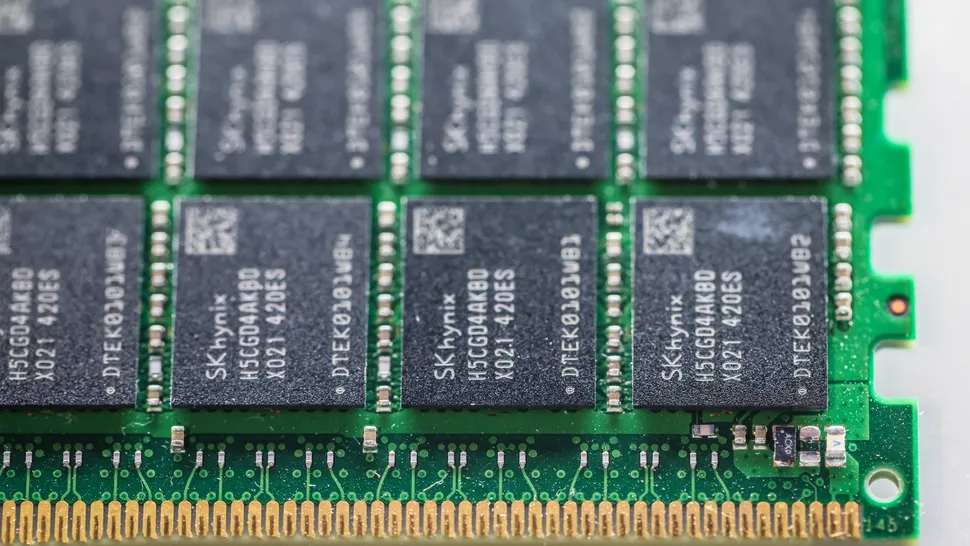
Memory costs have decreased significantly, with a single gigabyte of RAM now priced at approximately $200 to $250. This pricing evolution has made personal computing hardware more accessible to a broader range of users. Modern buyers can configure systems with larger memory capacities at costs far lower than those seen in 1995.
Historical Advantage Memory data shows 1GB cost $64k in 1995
Advantage Memory Corporation released pricing data in 1995 that illustrates the historical baseline for DRAM costs. The company listed 1GB of RAM at $64,000 during that period. Adjusted for inflation to 2026 values, that same capacity would cost approximately $140,000 today.
- 1GB RAM Cost (1995): $64,000
- 1GB RAM Cost (2026 Inflation): $140,000
- 8MB RAM Cost (1995): $399
- 64MB RAM Cost (1995): $3,900
- 16MB RAM Cost (1995): ~$800
In 1995, smaller memory capacities such as 8MB and 16MB carried significant price premiums relative to their size. An 8MB stick cost $399, while a 64MB module cost $3,900. Even 16MB, which was considered adequate for standard PC assembly at the time, cost roughly $800.
Current market prices for memory components stand in sharp contrast to the historical figures from 1995. A 16GB DDR5 module now costs between $200 and $250. This shift represents a substantial reduction in the cost per megabyte of memory compared to the 1995 era.
Supply constraints, potentially driven by enterprise AI demand, may influence future pricing dynamics for memory components. SK Hynix CEO Choi Tae-won predicts that DRAM wafer shortages could persist until 2030 due to high demand for AI and HBM products.
We looked at DDR5 Memory Prices Triple as DIY earlier while tracking Advantage memory corporation launches. The current landscape reflects extreme historical affordability alongside potential long-term supply tightness driven by enterprise AI workloads.
Discussion
0 comments
Log in to join the thread with a thoughtful take, question, or correction.